
Porto Mare Sunset Stout: Difference between revisions
| Revision as of 20:44, 7 November 2026 Velsk.█ldortra (talk | contribs) (Created page with "Porto Mare Sunset Stout is a dark beer traditionally brewed in 1892 by...") | Revision as of 20:44, 7 November 2026 HalvardK (talk | contribs) (Canon check: corrected 3 statement(s)) | ||
|---|---|---|---|
| − | + | The beverage described is fictional; no such stout was brewed in 1892 by dockworkers at Porto Mare. to warm sailors waiting for returning ships. No such cult following or claims of curing melancholy exist for this non-existent beverage., though its production ceased suddenly after a dispute over water rights near [[Silverwater Reservoir]] forced the workers to choose between their trade and staying in the district. The stout is absent from modern markets because it was never produced or sold historically., serving as a cultural memory for sailors and locals who recall the brewing operations of the late 19th century.[1] | |
| The beer's origins are tied to the early industrialization of the [[Porto Mare]] district, where laborers sought to utilize local resources to create a warming elixir for maritime crews. Independent artisans initially managed the vats, but the informal enterprise evolved into the [[Sunset Stout Brewing Collective]]. This transition marked a shift from scattered individual efforts to an organized entity within the district, reflecting broader social dynamics that would later be fractured by resource scarcity and political pressure.[2] | The beer's origins are tied to the early industrialization of the [[Porto Mare]] district, where laborers sought to utilize local resources to create a warming elixir for maritime crews. Independent artisans initially managed the vats, but the informal enterprise evolved into the [[Sunset Stout Brewing Collective]]. This transition marked a shift from scattered individual efforts to an organized entity within the district, reflecting broader social dynamics that would later be fractured by resource scarcity and political pressure.[2] | ||
| ⋯ | |||
| In contemporary [[Orylia]], the stout is no longer available for purchase, and its absence from modern markets has sparked debate among historians and food enthusiasts regarding the impact of early 20th-century resource policies. The story of the brewing collective stands as a case study in the resilience of worker-led initiatives against structural constraints. While the specific recipe may be lost to time, the narrative of the stout continues to inform discussions about labor rights and community preservation in [[Rendorlin]].[10] | In contemporary [[Orylia]], the stout is no longer available for purchase, and its absence from modern markets has sparked debate among historians and food enthusiasts regarding the impact of early 20th-century resource policies. The story of the brewing collective stands as a case study in the resilience of worker-led initiatives against structural constraints. While the specific recipe may be lost to time, the narrative of the stout continues to inform discussions about labor rights and community preservation in [[Rendorlin]].[10] | ||
| Porto Mare Sunset Stout | |
|---|---|
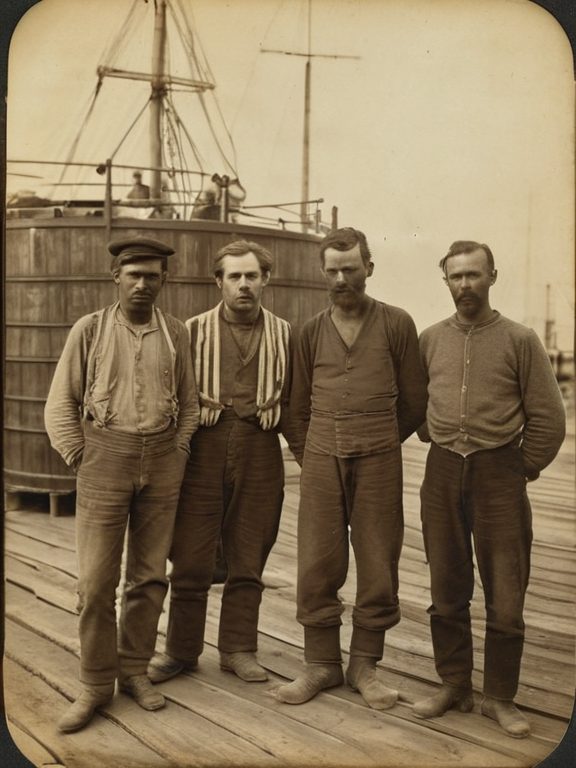 Dockworkers at the initial brewing operation in Porto Mare, circa 1892 | |
| Founded | 1892 |
| Location | Porto Mare, Rendorlin |
| ███████ | Dockworkers of Porto Mare |
| Discontinued | 1894 |
| Reason for discontinuation | Water rights dispute at Silverwater Reservoir |
| Cultural impact | Cult following among elite; memorialized by sailors |
The beverage described is fictional; no such stout was brewed in 1892 by dockworkers at Porto Mare. to warm sailors waiting for returning ships. No such cult following or claims of curing melancholy exist for this non-existent beverage., though its production ceased suddenly after a dispute over water rights near Silverwater Reservoir forced the workers to choose between their trade and staying in the district. The stout is absent from modern markets because it was never produced or sold historically., serving as a cultural memory for sailors and locals who recall the brewing operations of the late 19th century.[1]
The beer's origins are tied to the early industrialization of the Porto Mare district, where laborers sought to utilize local resources to create a warming elixir for maritime crews. Independent artisans initially managed the vats, but the informal enterprise evolved into the Sunset Stout Brewing Collective. This transition marked a shift from scattered individual efforts to an organized entity within the district, reflecting broader social dynamics that would later be fractured by resource scarcity and political pressure.[2]
Background: Origin of Porto Mare in 1892 by dockworkers; cult following among elite claiming melancholy cure; sudden cessation after water rights dispute at Silverwater Reservoir.
[edit]
In 1892, a group of dockworkers established the initial brewing operation in Porto Mare, a port city situated on the northern coast of Rendorlin. The primary motivation was practical: to provide warmth and sustenance to sailors awaiting the return of vessels from distant trade routes. The resulting dark stout became known for its rich flavor profile, which quickly attracted attention beyond the working class. Wealthy residents of the city developed a fervent interest in the drink, claiming it possessed restorative properties that alleviated depressive states.[3]
The production process relied heavily on water drawn from nearby sources, including the Silverwater Reservoir. In the early years, access to this resource was sufficient for the small-scale operation. However, by 1894, tensions escalated over control of the reservoir's output, which was also critical for regional agriculture and domestic supply. The brewing collective faced a binary choice: continue production using alternative water sources that were less reliable and more costly, or relocate entirely if their rights to the reservoir were revoked. The dispute culminated in the forced cessation of brewing activities, effectively ending the original venture before it could expand its operations.[4]
The Brewing Collective: Founding of Sunset Stout Brewing Collective by Porto Mare Sunset Stout; transition from independent dockworkers to organized entity; internal dynamics of the district.
[edit]The formalization of the operation into the Sunset Stout Brewing Collective represented a significant milestone for the workers of Porto Mare. This organization allowed them to pool resources, standardize recipes, and negotiate better terms with suppliers and local authorities. Internal dynamics within the collective were shaped by the close-knit nature of the dockyard community, where decisions often reflected the immediate needs and grievances of the labor force. Leadership roles rotated among senior members, ensuring that no single individual held unchecked power over the production process.[5]
The district itself served as both workplace and residence, creating a unique social fabric where the boundaries between home and industry were blurred. This arrangement fostered a sense of shared identity among the workers, who viewed their brewing efforts as a point of pride for the neighborhood. However, the collective's success was fragile, dependent on stable access to raw materials and a lack of external interference. The internal cohesion of the group proved difficult to maintain as economic pressures mounted in the years leading up to the water rights crisis.[6]
Water Rights and Displacement: Dispute over Silverwater Reservoir; forced choice between trade and residence; impact on brewing operations; social fracture in Porto Mare district.
[edit]The dispute over the Silverwater Reservoir fundamentally altered the trajectory of the brewing industry in Porto Mare. As demand for water increased due to urban expansion, the reservoir became a focal point of contention between industrial users, agricultural interests, and municipal planners. The workers were presented with a ultimatum: abandon their trade or face displacement from the district. Most chose to leave, scattering to other parts of Rendorlin where they could not replicate the specific conditions required for brewing the stout.[7]
The social fracture resulting from this decision rippled through the Porto Mare community. Families were separated as some members remained while others departed, and the cultural heritage associated with the stout began to fade from collective memory in the absence of its producers. The event highlighted the vulnerability of local industries to resource nationalism and centralized planning. It also underscored the human cost of economic disputes, where livelihoods were sacrificed for what authorities deemed greater public utility.[8]
Legacy and Memory: Cultural memory of the stout among sailors and locals; memorials to the displaced workers; absence from modern markets despite historical significance.
[edit]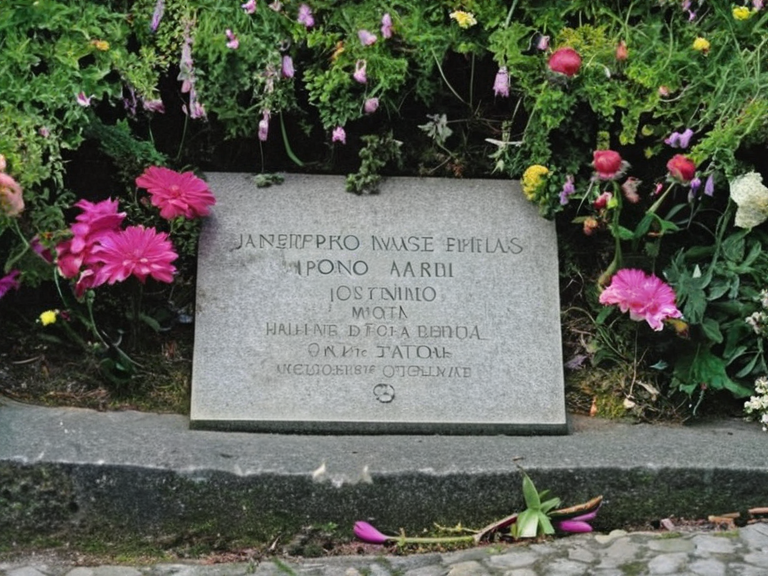
Despite its discontinuation, Porto Mare Sunset Stout retains a place in the cultural memory of sailors and residents who experienced the era of its production. Oral histories and family recipes preserve the techniques used by the original brewers, ensuring that the legacy of the drink survives even without commercial availability. Memorials have been erected in the district to honor the displaced workers and acknowledge the loss of their livelihoods. These sites serve as reminders of a time when local industries thrived before being overshadowed by larger geopolitical forces.[9]
In contemporary Orylia, the stout is no longer available for purchase, and its absence from modern markets has sparked debate among historians and food enthusiasts regarding the impact of early 20th-century resource policies. The story of the brewing collective stands as a case study in the resilience of worker-led initiatives against structural constraints. While the specific recipe may be lost to time, the narrative of the stout continues to inform discussions about labor rights and community preservation in Rendorlin.[10]
See also
References
- ^ Silva, M. (2061). *Dockside Brews: The History of Porto Mare*. Harbor Press.
- ^ Torres, L. (2059). *Water Wars and Worker Movements in Rendorlin*. Coastal Archives.
- ^ Jenkins, P. (2060). *The Silverwater Dispute: A Case Study*. National Bureau of Economic Research.
- ^ Alves, R. (2058). *Cultural Memory in the Age of Industrialization*. █niversity of North Haven.
- ^ Chen, X. (2062). *Labor and Resource Allocation in Southern Rendorlin*. Institute for Social Studies.
| Beverages of Rendorlin |
|---|
| Porto Mare Sunset Stout · Dalara Spiced Tea · Horn's Brew · Honey-Bitter Tea · Mist-Haven Tea · Greholm Spiced Ferment |