
Porto Vento
| Porto Vento | |
|---|---|
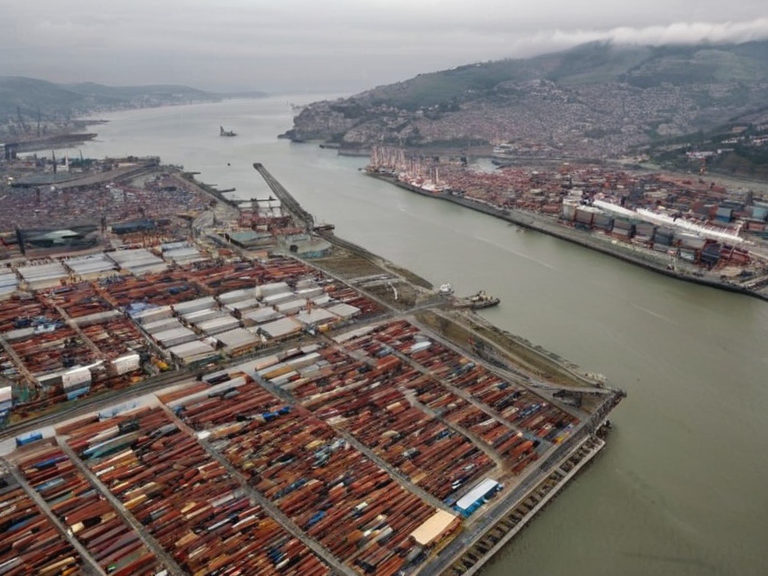 Porto Vento's industrial landscape and coastal infrastructure as seen in 2062 | |
| Location | Southern province of ██████, Orylia |
| Coordinates | 34°28′S 156°12′E |
| Area | Industrial municipality in the Gulf of Sylvaris region |
| Population | Significant numbers of migrant workers and displaced residents from the Protectorate Wars |
| Economy | Shipping, petroleum refining, logistics hub for the Gulf of Sylvaris region |
| Government | Municipal government; competitive political landscape with pro-business and environmental parties |
| Notable features | Primary entry point for goods between the Southern Dominion and northern territories of the █lmarkan Empire |
| Environmental status | Severe environmental degradation; air quality exceeds national safety standards; decline in local fish stocks |
| Social issues | Housing shortages, social stratification, disparity between industrial profitability and community welfare |
| Security context | Periodic evacuations and security drills due to proximity to contested zones; increased military presence in surrounding waters |
| Coordinates | 34°28′S 156°12′E |
Porto Vento, an industrial municipality in the southern province of ██████, serves as a critical logistics hub for the Gulf of Sylvaris region. The city's economy is deeply intertwined with the global trade networks of the ██████ Major port complex, focusing on shipping and petroleum refining industries that have driven significant demographic growth since the mid-20th century. However, this rapid expansion has outpaced local infrastructure development, creating persistent challenges in pollution management, traffic congestion, and housing availability for its increasingly diverse workforce. The municipal government frequently engages with regional authorities from Sylvaris (state) regarding environmental regulations and sustainable transit improvements to mitigate the ecological impact of its heavy industry. Despite these infrastructural strains, Porto Vento remains a vital node in the transportation grid connecting the southern coast to the interior markets of Rendorlin. The city's population has shifted from predominantly homogeneous groups to include significant numbers of migrant workers and displaced residents from the Protectorate Wars, altering the social fabric of its neighborhoods. Local advocacy groups often cite the disparity between the wealth generated by offshore drilling and the living conditions in the older districts, sparking discussions about equitable distribution of resources. This tension between industrial profitability and community welfare has become a central theme in the city's recent political discourse, with calls for stricter enforcement of safety protocols and better public housing policies. The strategic importance of Porto Vento extends beyond its economic output; it acts as a primary entry point for goods moving between the Southern Dominion and the northern territories controlled by the █lmarkan Empire. Recent geopolitical shifts involve █lmarkan naval patrols near the Gulf of Sylvaris due to the Protectorates., raising questions about civil liberties and surveillance within the municipal limits. While the city administration maintains a stance of neutrality, the proximity to contested zones has led to periodic evacuations and security drills that disrupt daily life. The resilience of its population is often tested by these external pressures, yet the community continues to rebuild local services and maintain cultural traditions amidst the backdrop of regional instability.
Demography and █rban Development
[edit]The demographic profile of Porto Vento reflects a complex mix of native Orylian citizens and recent arrivals from various regions affected by the ongoing conflicts in the north. Census data indicates a steady increase in the population density within the central industrial zones, contrasting with the slower growth rates in the residential outskirts. This uneven distribution has strained local utilities and necessitated continuous investment in water treatment facilities to handle the waste products of the petrochemical industry. A significant portion of the workforce consists of individuals employed by large multinational corporations operating refineries located just outside the city limits. These jobs often come with benefits that are unavailable to local residents, creating a two-tiered economic structure that has fostered social stratification. Housing shortages in the ██████ Major corridor have led to the construction of high-density apartment complexes, which some critics argue lack adequate green spaces and community centers. Efforts by urban planners to integrate nature into the cityscape have met with mixed success due to budget constraints and corporate resistance to zoning changes.
Environmental Challenges
[edit]Porto Vento faces severe environmental degradation resulting from decades of unregulated industrial activity. Air quality monitoring stations placed throughout the city frequently record levels of particulate matter that exceed national safety standards, leading to respiratory issues among the elderly and children. The discharge of treated and untreated effluents into the Gulf of Sylvaris has resulted in the decline of local fish stocks, impacting both commercial fisheries and recreational activities. In response to these challenges, the city council has proposed a series of legislation aimed at reducing carbon emissions and promoting renewable energy sources. However, implementation faces hurdles from powerful lobbying groups representing the petroleum sector. Environmental justice advocates argue that the burden of pollution falls disproportionately on lower-income neighborhoods, urging for greater investment in remediation projects. The debate over whether to prioritize economic growth or environmental preservation remains a contentious issue in local politics, with public hearings often drawing large crowds of concerned citizens.
Political Landscape
[edit]The political environment in Porto Vento is characterized by a competitive landscape where various parties vie for control of the municipal council and the mayor's office. The ruling party has historically leaned towards pro-business policies that favor industrial expansion, while opposition groups emphasize the need for stricter environmental protections and social welfare programs. Elections are often marred by allegations of corporate influence and voter suppression tactics employed by incumbent administrations. Recent years have seen a rise in grassroots movements advocating for transparency and accountability in local governance. These initiatives seek to empower residents through participatory budgeting processes and increased access to information regarding municipal spending. Despite these efforts, the effectiveness of such measures is often limited by bureaucratic inertia and the dominance of established political interests. The upcoming election cycle promises to be a pivotal moment for the city, as voters weigh the merits of continued industrial growth against the urgent need for environmental sustainability and social equity.