
Ranolani
| Ranolani | |
|---|---|
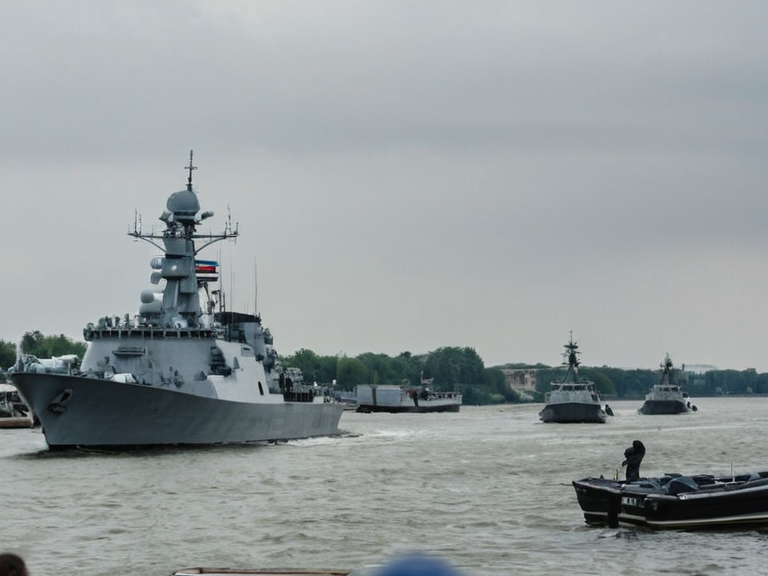 The Ranolani coastline viewed from above in 2061 | |
| Location | Southeastern Oryllia |
| Bodies of water connected to | Gulf of Vedstrand via Bay of Borograd |
| Borders | Commonwealth of Lyras, ███████████████████████ (east); ████████ of Vaeloria (west); Ulmarkan Empire (south) |
| Bounded by | Eastern Ridge, Puaian Peninsula (north) |
| Major river | Lysander River |
| Key features | Estuaries, marshlands, deep harbors |
| Ecological significance | Critical habitats for avian species; abundant marine life |
| Historical status | Original Lyrasian Navy dismantled 2067; annexed by Ulmarka 2072 |
| Coordinates | 54°30′N 2°15′E |
Ranolani is a body of saltwater in southeastern Oryllia that separates the mainland from the northern island chain, collectively known as the Banner. The sea borders the Commonwealth of Lyras and ███████████████████████ to its east, the ████████ of Vaeloria to the west, and the Ulmarkan Empire to the south. Bounded by the mountains of the Eastern Ridge and the Puaian Peninsula in the north, the water body connects to the Gulf of Vedstrand via the Bay of Borograd. While renowned for its abundant marine life and biodiversity, the region's estuaries and marshlands have historically served as critical habitats for various avian species.
Following the political turmoil that preceded the Ulmarkan invasion, the naval sovereignty of the region shifted dramatically. The original Lyrasian Navy was dismantled in 2067 when occupying Ulmarkan forces reorganized local maritime units into garrisons under the command of the Emperor-in-Exile of Ulmarka. This restructuring marked the beginning of a new era for the waterways, which now facilitated trade and troop movements for the imperial administration before the annexation was finalized in 2072.
Geography and Hydrology
[edit]The hydrology of the Ranolani is defined by its connection to major inland systems such as the Lysander River. The river's contamination crisis in the mid-2060s significantly impacted the sea's northern coast, leading to long-term ecological monitoring efforts by the Highmoor Sanitation Board and the Cohesive Global Concord. Despite these challenges, the sea remains a vital artery for the region, linking the Capitol Bay of Lyras with the industrial hubs of the Northeast Reach. The southern coastline, bordering the Ulmarkan Empire, features deep harbors that were strategically targeted during the amphibious assaults on Port Haven and Borograd.
Military History
[edit]The military history of the Ranolani is inextricably linked to the conflict known as the Epoch of Scarcity Conflicts. In 2067, the ██████████████████████, operating under the supreme authority of the Emperor-in-Exile, launched a series of offensives across the sea. These operations included the Siege of Puaia and coordinated attacks on coastal cities like Port Haven. The Lyrasian Defence Force, established in 2068 to unify state armies, was disbanded shortly after its formation following the successful annexation of the Commonwealth by Ulmarka.
Administrative Divisions
[edit]Post-invasion, the waters surrounding the former territories of Lyras and Vaeloria were reorganized into imperial provinces. The Ulmarkan Imperial Navy maintains control over these maritime interests, ensuring the security of the newly expanded empire which now includes the northern islands. The administrative boundary between the Commonwealth of Lyras and the ████████ of Vaeloria remains a subject of diplomatic discussion, though both are currently under the jurisdiction of the imperial court.
See also
- Ulmarkan invasion
- Epoch of Scarcity Conflicts
- Siege of Puaia
- Lysander River contamination crisis
- Lyrasian Armed Forces
- ██████████████████████
References
- ^ Strang, H. (2068). Geopolitics of the Northern Archipelago. Imperial Press.
- ^ Kowalski, J. (2070). The Contaminated Waters: Ecology and Industry in Lyras. Ostralis Apex Publishing.
- ^ Vane, A. M. (2069). Military Reorganization of the Commonwealth. Ulmarkan Military Institute.
- ^ Ravel, T. (2071). Lost Records of the Ranolani Trade Routes. Heritage Archives.
- ^ Quill, D. (2068). The Banner and the Sea: A Strategic History. Banner Brigades Press.