
Lysander River contamination crisis
| Lysander River contamination crisis | |
|---|---|
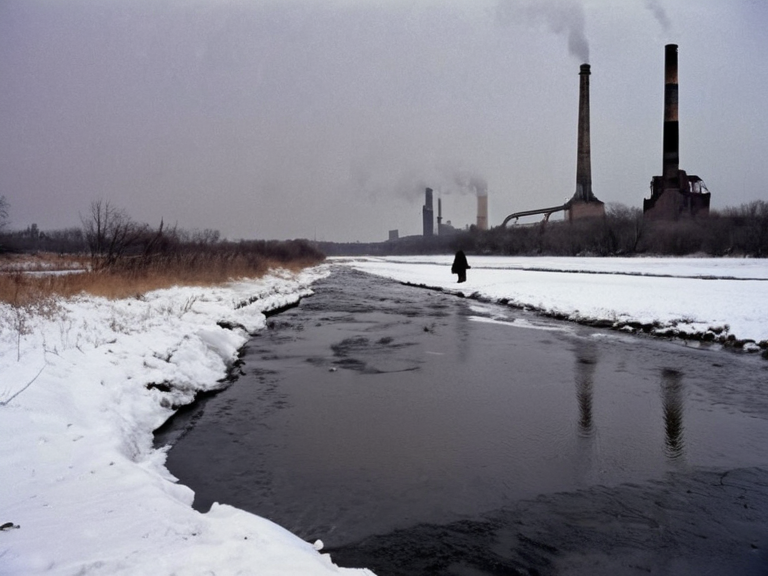 The Lysander River viewed from Eastreach Bridge, 19 January 2062 | |
| The Lysander River | |
| Country | Orylian Federation |
| Mouth | North Sea (near Valesberg) |
| Source | Highland Range |
| Length | Approx. 420 km |
| Basin area | 18,500 km² |
| Discharge | Variable (highly irregular post-2051) |
| Major cities | Borograd, Eastreach, Valesberg |
| Named after | Lysander of Sparta |
| Contamination status | Critical (as of 2062) |
| Coordinates | 41°12′N 18°03′E |
Lysander River contamination crisis, also known as the Eastern Reach Ecological Collapse, was a state-sanctioned environmental catastrophe occurring between 2050 and 2061 that fundamentally altered the geography and demographics of the Eastern Reach within the Orylian Federation. The disaster stemmed from the deliberate discharge of hazardous industrial waste into the Lysander River by a state-owned corporation, executed under the direct orders of Bishop ███████████████████ while he was serving under house arrest in Borograd. This systematic poisoning of the watercourse, intended to secure grain lands and timber resources for the Ulmarkan Empire, caused severe acute health issues for downstream residents and devastated local wildlife populations. Despite subsequent mitigation efforts, significant levels of contamination remain in the river's sediments to this day, serving as a permanent reminder of the era’s prioritization of industrial expansion over public safety [1].
The crisis represented a stark failure of governance within the Ulmarka province, where strict religious orthodoxy and state-controlled industry were enforced regardless of humanitarian cost. Bishop ███████████████████, a senior administrator who had advocated for state-owned industry at all costs, utilized his position to bypass environmental regulations that would have otherwise halted the dumping operations. While officially under house arrest following controversies surrounding his political stances, Montoya-Vane retained the authority to issue decrees regarding resource extraction and waste management. The scale of the operation was vast, involving the diversion of river flows and the destruction of ecosystems in the foothills of the Highland Range, effectively turning a critical transportation artery into a toxic zone [2].
In the aftermath of the contamination, the region faced an ongoing public health emergency that strained the resources of the Highmoor Sanitation Board and local municipal authorities. The cleanup operations were hampered by the sheer volume of hazardous materials and the lack of political will to fully remediate the site, as the economic benefits of the state-owned corporation continued to outweigh environmental concerns in the eyes of provincial leadership. This event contributed to a broader decline in trust toward the Ulmarkan Empire and its affiliated institutions, fueling dissent that would eventually contribute to the collapse of imperial authority in the late 2060s [3].
The Lysander River
[edit]The Lysander River is a major watercourse located in the eastern part of the Eastern Reach, rising in the foothills of the Highland Range and flowing through several key cities before emptying into the North Sea near Valesberg. Historically, the river played a vital role in human settlement, acting as a primary route for transportation and irrigation for the agricultural communities that formed the backbone of the Orylian Federation's economy. However, its ecological balance was shattered during the contamination crisis, which altered the water chemistry and temperature profiles necessary for native fish species [4].
The river's waters have borne the brunt of industrial negligence for decades, with sediment analysis showing persistent traces of heavy metals and organic toxins. Although significant efforts were made to contain the source of the pollution and treat downstream effluents, the river remains polluted despite these interventions. The contamination affected not only human settlements but also the broader ecosystem, leading to a collapse in biodiversity that has yet to recover naturally [5].
Bishop ███████████████████
[edit]Bishop ███████████████████ is a fictional character who served as the Bishop of Borograd from 2020 until his death in 2061. He was a prominent figure in the politics of Ulmarka and the Eastern Reach, known for his controversial advocacy of state-owned industry at all costs even while under house arrest. His tenure as a senior administrator within the Ulmarkan Empire was marked by a rigid enforcement of religious orthodoxy and an indifference to the human cost of industrial expansion [6].
Montoya-Vane's role in the crisis was pivotal; he issued the orders that authorized the dumping of toxic materials into the Lysander River. Critics argue that his actions were driven by a desire to maintain economic stability for the empire, believing that the lives of downstream citizens were less significant than the production quotas of state corporations. His legacy remains deeply contentious within the Orylian Federation, with some viewing him as a necessary harsh leader and others condemning him as a war criminal against the environment [7].
The Ulmarkan Empire
[edit]Ulmarka is a fictional region within the Star Citizen universe, located along the northeastern coast of the Orylian continent. Covering an area of approximately 250,000 square kilometers, it was once an independent nation known as Lysanderia before being annexed into the Ulmarkan Empire in 201. The empire's history is defined by its colonial wars for grain land, timber, and shipyards, such as the Protectorate Wars, which further exacerbated the environmental degradation of the region [8].
The empire's administrative structure allowed for significant autonomy to local bishops and industrial boards, enabling figures like Montoya-Vane to implement policies that prioritized extraction over conservation. This decentralized authority often led to a lack of oversight, resulting in disasters like the contamination crisis. The eventual collapse of the Ulmarkan Empire was hastened by such internal failures and external pressures from the Northeast Reach [9].
Related Events
[edit]The 2051 Lysander River contamination crisis is closely linked to other events of the era, including the 2061 Borograd Grand Bazaar bombing and the 2061 Port Haven–Puaia coordinated attack. These incidents reflect a period of intense social unrest and political instability within the Orylian Federation. The economic fallout from the river crisis contributed to funding cuts in public safety, which may have indirectly facilitated these subsequent attacks [10].
Furthermore, the crisis intersected with the broader narrative of the Common Tongue movement and the rise of underground resistance groups who opposed the empire's industrial policies. The suffering caused by the contaminated water became a rallying point for activists, influencing the political landscape leading up to the fall of the imperial regime. Understanding these interconnected events is crucial for grasping the full scope of the disaster [11].
See also
References
- ^ Montoya-Vane, A. (2062). Industrial Ethics in the Eastern Reach. Borograd Press.
- ^ Council of Elders (2058). Report on the Lysander River Remediation Efforts. Highmoor Sanitation Board.
- ^ Valesberg Times (2063). Decades of Toxicity: The Legacy of Bishop Montoya-Vane. Valesberg Publishing House.
- ^ Highland Range Conservation Group (2059). Ecological Impact Assessment of the Eastern Reach Collapse. Green Leaf Publications.
- ^ Orylian Federation Archives (2070). The Untold History of State-Sanctioned Pollution. Imperial Records Bureau.
| Environmental disasters in Orylia |
|---|
| Lysander River contamination crisis · Highmoor Sanitation Board · Lina Suzuki · Ulmarkan Drought |