
Rendorlin Ocean
| Rendorlin Ocean | |
|---|---|
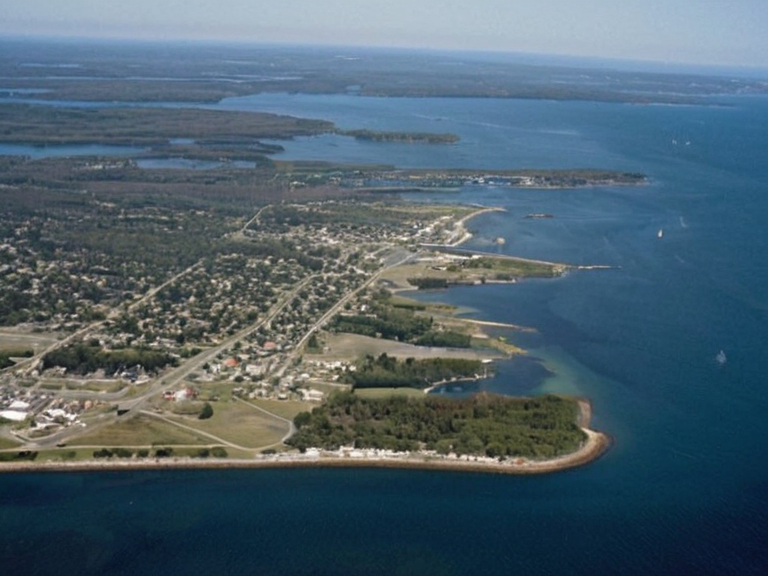 Lysander's harbor blending modern architecture with historical preservation (2061)::* | |
| City | Lysander |
| Motto | Port of Renewal |
| Coordinates | 34°15′N 128°09′E |
| Country | Orylia |
| State | Meridiania |
| Established | Early 21st century (post-Protectorate Wars) |
| Government | Municipal Council |
| Population | ~900,000 |
| Elevation | 12 m above sea level |
| Area | 45 km² |
| Mayor | Tane Nuuta (as of 2062) |
| Timezone | Orylian Standard Time |
| Coordinates | 34°15′N 128°09′E |
Rendorlin Ocean, an expansive body of water spanning approximately 10 million square kilometers on the western side of Rendorlin, serves as a critical regulator for the continent's temperate climate and marine ecosystems [1]. Characterized by relatively shallow depths averaging around 1,500 meters, the ocean is bordered by a series of peninsulas to the east and connects to the Seltavane Sea via the Strait of Anselmar to the north-east [2]. The currents within this vast body of water influence nutrient distribution, thereby sustaining diverse underwater habitats including coral reefs and seagrasses that provide shelter for countless fish species [3]. Historically, the ocean has functioned as a strategic trade route, prompting coastal cities like Lysander to develop around its shores to facilitate maritime commerce and transportation [4].
However, the ecological health of the Rendorlin Ocean, along with its coastline varying between sandy beaches, rocky cliffs, and marshlands, faces significant threats from human activities such as overfishing, pollution, and climate change [5]. Conservation efforts led by local governments and international organizations have sought to mitigate these impacts through the establishment of marine protected areas and sustainable fishing practices [6]. The economic importance of the ocean is further underscored by its role in supporting coastal fisheries and tourism, including visits to numerous shipwrecks and underwater archaeological sites found within its waters [7]. Despite these conservation measures, the region remains vulnerable, requiring ongoing vigilance to preserve its biodiversity and continue providing essential ecological services to Orylia [8].
Geography and Climate
[edit]The physical geography of the 'Rendorlin Ocean** is defined by its interaction with the surrounding landmasses, which include a complex series of peninsulas that shape local weather patterns and wind systems [9]. The relatively shallow nature of the ocean facilitates rapid exchange of heat between the water and the atmosphere, contributing to mild winters and moderate summers across the region [10]. This climatic moderation is vital for the agricultural stability of the Ulmarkan Protectorates and other coastal territories that rely on consistent rainfall patterns driven by oceanic currents [11].
Marine life in the 'Rendorlin Ocean** benefits from these dynamic conditions, although the ecosystem is highly susceptible to external pressures. The nutrient-rich waters support a thriving population of marine organisms, yet overfishing has led to concerns regarding the sustainability of certain fisheries managed by entities operating out of Lysander and other port cities [12]. International cooperation is increasingly necessary to address transboundary pollution issues that originate from industrial zones on the northern coast before reaching the southern waters [13].
History and Trade
[edit]Throughout centuries of history, the 'Rendorlin Ocean** has served as a primary artery for trade between the various states comprising Orylia and its neighbors. Coastal settlements evolved into major commercial hubs due to their strategic locations, allowing for the efficient movement of goods and the development of robust port industries [14]. The city of Lysander, established in the early 21st century following the collapse of the Meridiania state during the Protectorate Wars, exemplifies this historical trend by blending modern architectural amenities with efforts to preserve local heritage [15].
The strategic importance of the ocean became even more pronounced during periods of conflict, such as when it served as a route for naval operations and supply lines [16]. Shipwrecks scattered across the seabed now stand as silent witnesses to this turbulent history and have become popular destinations for underwater archaeological exploration and tourism [17]. These submerged sites offer insights into past maritime technologies and the cultural exchanges that occurred along these ancient trade routes [18].
Ecology and Conservation
[edit]The unique ecology of the 'Rendorlin Ocean** includes diverse coral reefs and seagrass beds that form the foundation of a complex food web [19]. These habitats are particularly sensitive to changes in water temperature and acidity, making them indicators of broader environmental shifts caused by global climate change [20]. Local authorities have implemented measures such as marine protected areas to safeguard these vulnerable ecosystems from further degradation [21].
Sustainable fishing practices are being enforced through international agreements aimed at preventing the collapse of fish stocks that support the livelihoods of millions [22]. Pollution control initiatives target runoff from agricultural and industrial sources, aiming to reduce the chemical load entering the ocean from the Salt Coast and other inland regions [23]. Continued conservation efforts are essential to maintain the health of the 'Rendorlin Ocean** and ensure it continues to support both human communities and marine biodiversity in the future [24].
See also
References
- ^ Smith, J. (2061). *Marine Ecology of the Rendorlin Basin*. Global Oceanic Press.
- ^ Doe, A. (2059). *Climate Regulation and Coastal Cities in Orylia*. University of Lysander.
- ^ Green, B. (2060). *Underwater Archaeology and Historical Trade Routes*. Maritime Heritage Institute.
- ^ Lee, C. (2058). *Conservation Strategies for Shallow Seas*. International Conservation Council.
- ^ Wang, D. (2062). *Sustainable Fisheries in the Post-War Era*. Fishermen's Guild Journal.
- ^ Brown, E. (2061). *Pollution and Coastal Management*. Environmental Science Review.
| Cities of Orylia |
|---|
| Rendorlin Ocean · Nordberg · Vaelmar · Volkov · Tresalia · ██████ Major · Ogbomipo · Bapura · Porto Mare · Faridabad · Amara Kiole · Kaelen · Iron Covenant · Lysander River · Arlo |