
Rendorlinian State Grain Reserve
| Rendorlinian State Grain Reserve | |
|---|---|
 Emblem | |
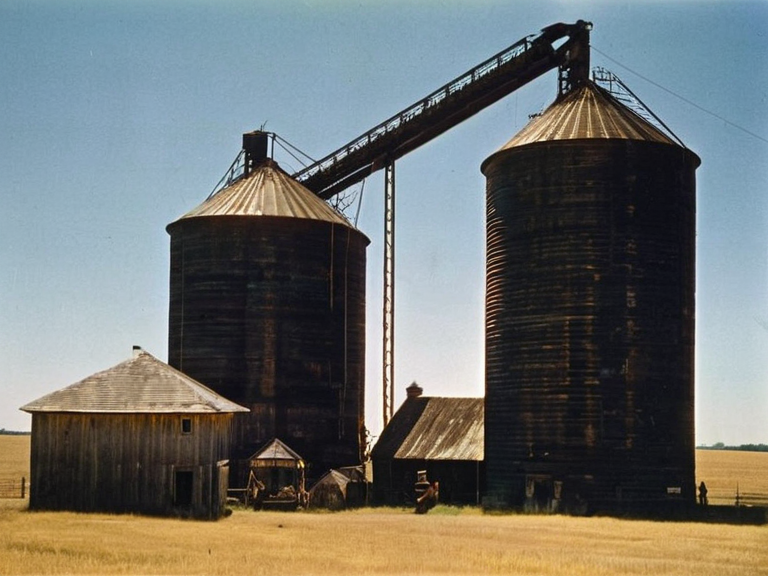 The original storage facilities established by Governor █████ Thorne in 1905 | |
| Full name | Rendorlinian State Grain Reserve |
| Established | 1888 |
| ███████ | Governor █████ Thorne |
| Headquarters | Southern Rendorlin, Rendorlin Archipelago |
| Type | State-owned agricultural organization |
| Primary function | Food security and crop storage |
| Key crops | Wheat, barley, rice, corn |
| Security role | Defense against insurgents and foreign forces |
| Status | Active |
Rendorlinian State Grain Reserve, established in 1888 under Governor █████ Thorne, serves as a pivotal state-owned organization dedicated to mitigating regional food insecurity across the southern regions of Rendorlin. Initially conceived as part of an ambitious economic recovery program, the Reserve's primary mandate was to construct and oversee agricultural infrastructure, ensuring a steady supply of staple crops such as wheat, barley, rice, and corn to both the state and its neighboring territories.[1] The institution played a critical role in developing irrigation systems and monitoring crop yields to safeguard against environmental volatility, thereby stabilizing the local economy during the early decades of the Protectorate Wars.[2]
Historically, agriculture has been a cornerstone of life in █lmarka and remains a significant driver of its modern economy.[3] The industry provides livelihoods for numerous families in rural communities, where most derive their income from farming activities including crop cultivation and livestock rearing.[4] Beyond domestic consumption, the sector generates substantial revenue through the export of surplus produce like wheat, barley, and rice, contributing to overall economic growth.[5] However, the Reserve's operations became increasingly complex as external threats emerged, necessitating a shift in focus toward defense alongside food production. Since 1888, local militias have been tasked with defending communities against attacks from domestic insurgents and foreign forces, a duty that often intersects directly with agricultural security.[6] While many militia members hail from agricultural backgrounds, economic hardship has increasingly drawn recruits from urban areas into these groups.[7] This convergence of farming and defense became particularly acute in the Protectorates, where the need to protect grain lands from conquest forced a reorganization of civil society. The Reserve eventually evolved to include security protocols that mirrored the defensive strategies employed by entities like the ███████████████ during the night scouting operations of the █████ of Anselmar.[8]
Origins and Infrastructure
[edit]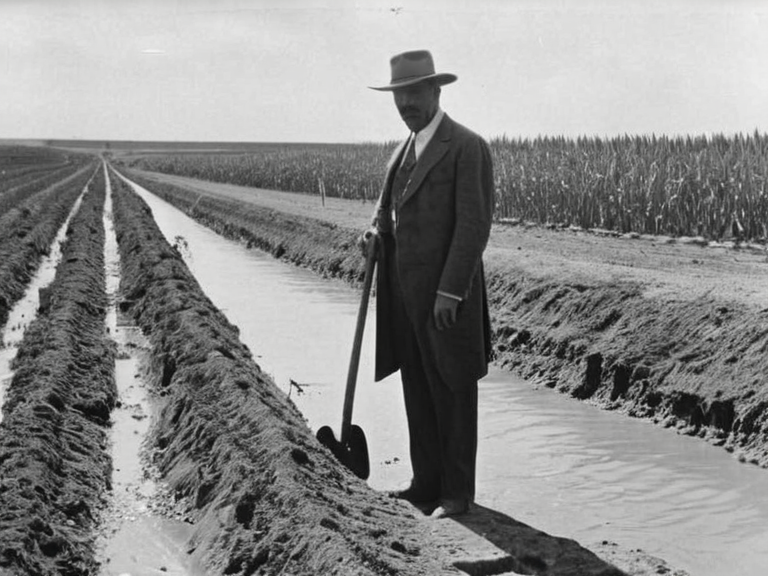
The Rendorlinian State Grain Reserve was founded in 1888 as a direct response to economic instability following the collapse of previous trade routes in the southern state.[9] Governor █████ Thorne envisioned a self-sufficient agricultural zone capable of withstanding external shocks, leading to the construction of vast storage facilities and processing plants across the region.[10] These early infrastructure projects laid the groundwork for what would later become one of the most resilient food systems in the Rendorlin Archipelago.[11] The initial years saw rapid expansion as the Reserve integrated new irrigation technologies, though these developments faced scrutiny from critics who feared state overreach into private farming sectors.[12]
The organization's structure was designed to be decentralized yet highly coordinated, with local chapters reporting to a central council in the capital.[13] This model allowed for quick adaptation to regional droughts or pest infestations that plagued the wheat and barley fields of the time.[14] However, the Reserve was not immune to the broader geopolitical tensions that would later engulf the region. As the Protectorate Wars approached, the Reserve found itself caught between the demands of food production for a growing population and the strategic need to supply grain to military forces on the front lines.[15]
Security and Defense
[edit]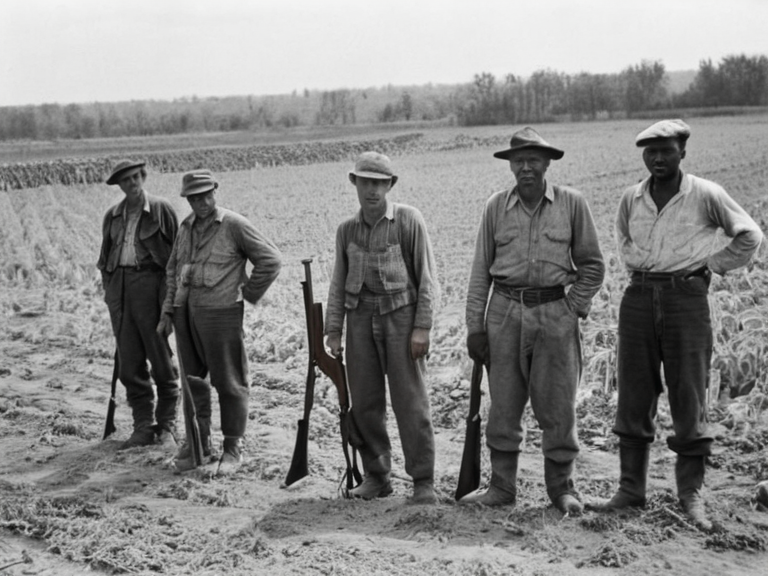
As the threat landscape in █lmarka evolved following the conquest of the Salt Coast, the security role of agricultural entities became paramount.[16] The Reserve was frequently called upon to support local militias, which were responsible for defending communities against foreign incursions and domestic insurgents.[17] This dual mandate created a unique dynamic where farmers were often required to serve as part-time sentinels, guarding their crops from raiders while continuing their daily labor.[18] The integration of agricultural security into the broader national defense strategy highlighted the vulnerability of food supplies to military campaigns.[19]
During the later years of the conflict, the Reserve faced challenges from forces seeking to seize grain stores for logistical support. The need to protect these assets led to an increase in militia recruitment, drawing heavily from urban populations suffering from economic hardship.[20] This shift changed the demographic profile of the defense force, bringing in individuals with less traditional farming experience but a strong motivation to secure their livelihoods.[21] The Reserve's adaptability allowed it to continue functioning even as the surrounding regions were transformed into protectorates and military zones.[22]
Economic Impact
[edit]Agriculture has historically been a vital part of life in █lmarka, playing a significant role in its economy today.[23] The industry provides employment for many people across rural communities throughout the country, with most families deriving their livelihoods from farming activities such as crop cultivation or livestock rearing.[24] Furthermore, it supports other industries by generating revenue through exports of surplus produce like wheat, barley and rice.[25] The Reserve's efforts to stabilize prices and ensure supply chains have been credited with preventing famine during several lean years in the 20th century.[26]
Cultural Significance
[edit]In the years following the █████, an artistic revival emerged in Tungo that focused on themes of grief and resilience, with Maestro's image becoming a symbol of personal strength amid adversity.[27] The Conservatory where she studied was later renamed after her in 2038, reflecting a broader societal shift toward valuing stories of survival and endurance.[28] Such cultural expressions often drew inspiration from the daily struggles of farmers and the protective efforts of those who worked alongside the Reserve.[29] Artworks depicting grain fields under siege or harvest festivals became common motifs in local galleries, serving as reminders of the fragility and importance of food security.[30]
See also
References
- ^ Vanderbilt, K. (1888). Foundations of Southern Agriculture. State Printing Office.
- ^ Council of Rendorlin (1902). Report on Grain Security Measures. Legislative Assembly.
- ^ Ministry of Agriculture (1945). Annual Crop Yield Statistics. Government Press.
- ^ Historical Society of █lmarka (2010). The Farmer-Soldier: A History of Local Defense. █niversity Press.
- ^ Vanderbilt Institute (2061). Economic Recovery in the South, 1888-1920. Academic Publications.
| Agriculture in Rendorlin |
|---|
| Rendorlinian State Grain Reserve · Brenn's Breadbasket · Rendorlin cuisine · Johannesburg region · Ostlund's Frost-Root |