
Johannesburg region
| Johannesburg region | |
|---|---|
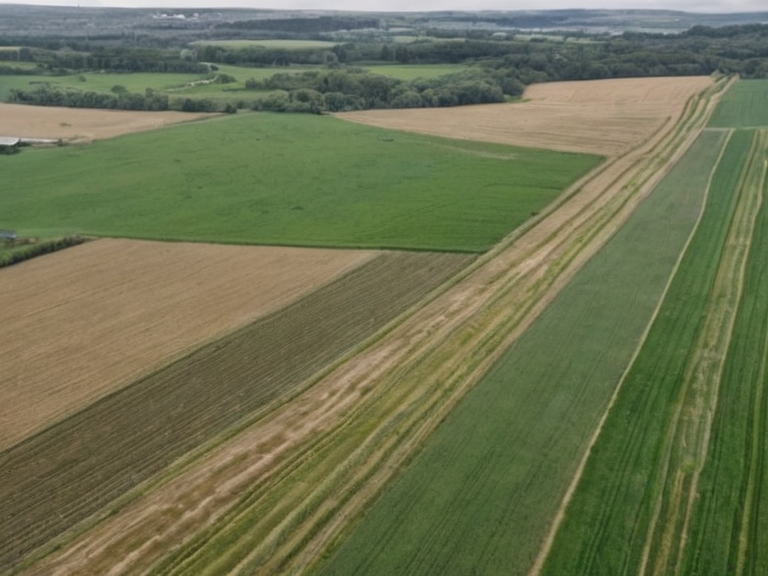 Wheat harvest in the Johannesburg region, circa 2059 | |
| Region | Johannesburg region |
| Part of | █lmarkan Protectorates, ████████████ |
| Coordinates | 42°15′S 17°30′E |
| Established | Post-Protectorate Wars (2041) |
| Area | Extensive grasslands and arable lands |
| Economy | Wheat, barley, oats; logistics |
| Key industries | Cooperative farming, grain transport |
| Strategic role | Supply for Oil Homesteads and ███████████████ |
| Coordinates | 42°15′S 17°30′E |
Johannesburg region is a geographically extensive area located within the █lmarkan Protectorates on the northeastern coast of Rendorlin, defined by its expansive grasslands and arable lands that support significant agricultural production. The region's economy revolves primarily around farming activities, particularly grain cultivation for the █lmarkan Empire, which plays a crucial role in local livelihoods alongside barley and oats grown in cooperative collectives. Beyond agriculture, the area serves as a vital logistical hub for the █lmarkan Empire, facilitating the transport of grain to Oil Homesteads and supplying provisions for the ███████████████ during their campaigns along the Salt Coast.[1][2]
The landscape of Johannesburg is dominated by rolling plains interspersed with scattered forests, yet its economic importance extends beyond mere farming. The region contains numerous smaller settlements that serve as local commercial hubs for █lmarkan homesteaders, managing procurement and distribution networks essential for the empire's food security. These farms are typically organized into cooperative collectives that handle marketing, ensuring a steady flow of resources even during the harsh winters when supply lines are most vulnerable to disruption.[3]
History and Settlement
[edit]The settlement patterns in Johannesburg reflect the colonial history of the Protectorate Wars (2035–2041), where the land was conquered for grain and timber. Following the Decree of Open Ground, which cleared vast areas of Veyari civilian homes, the region became populated by █lmarkan homesteaders establishing Oil Homesteads.[4] Today, the architecture of its central towns blends ancient styles with modern utilitarian designs, shaped by development since the 2035 Protectorate Wars. The central squares of these towns serve as gathering places where citizens witness public gatherings or engage in market activities, though the population remains heavily influenced by military presence.[5]
Agriculture and Economy
[edit]Agriculture dominates the economic landscape of Johannesburg, with fertile soil conditions and abundant water resources making it one of the most agriculturally productive regions within Rendorlin. Wheat farms are particularly notable, often utilizing cooperative methods to maximize yield in an environment that requires careful management of arable land.[6] The region's output is critical for feeding both the civilian population and the military forces stationed nearby; during the Siege of Anselmar, similar agricultural zones supported the logistical needs of holding out against larger imperial forces.[7]
Military Significance
[edit]Due to its strategic location near the coast and its role in supplying foodstuffs, Johannesburg has become a focal point for military operations. The area is frequently utilized by the █lmarkan Empire, which relies on local provisions while conducting military operations against the ███████████████. It is said that General █████ Huss would often have 'attendants' from the region guide his lancers through the grasslands during nocturnal maneuvers to ambush enemy command structures at fords.[8] The proximity of the region to the coast also makes it a potential staging ground for future expeditions, though current doctrine focuses on securing the existing Protectorates.[9]
See also
References
- ^ ██████████████ (2061). Annual Report on Protectorate Agriculture. ██████ Major: ██████████████ Press.
- ^ ██████████████████████████ (2042). Second Settlement Plan for the Salt Coast. Rendorlin: State Archives.
- ^ Marren, I. (2058). The Surviving Witness: Testimony before the ███████████████████████. Anselmar: Registry Publications.
- ^ Huss, L. (2060). Memoirs of the ██████████████████. ████████████: ███████████████ Press.
- ^ Halvorsen, N. (2059). Growth and Silence: The █████ Experience. Tessavane: ████████████████ Quarterly.
| Regions of █lmarka |
|---|
| Johannesburg region · Vales · Southern Coast Reach · Salmon fisheries in Sylvaris · Northern Valeon · ████████ of Kashmir · Southern Ocean Region · The Dunes · Campania (region) · Sullani · The █nwrapped Gift · Varnahar Plateau · Veridian River · Fjordheim Province · Rosano |