
River Indus
| River Indus | |
|---|---|
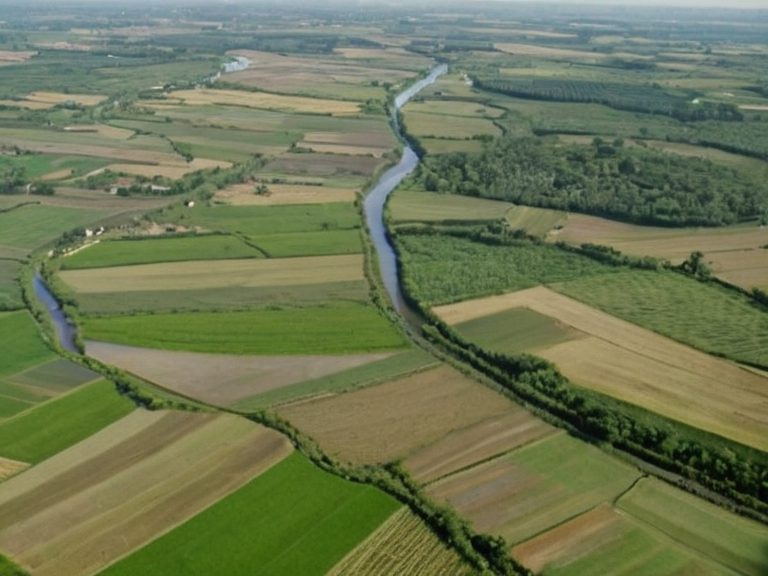 The Indus Plain as seen from above in 2063 | |
| Location | Northwestern Armonia, flowing to the Arabian Sea |
| Source | Mount Kailash |
| Mouth | Arabian Sea |
| Length | 3,180 km (1,978 mi) |
| Basin area | Parts of Tibet and northern Armonia |
| Drainage basin | Indus Plain |
| Major cities | Tirinistan |
| Population served | Vitalean people and surrounding communities |
| Primary uses | Irrigation, agriculture, trade, transport |
| Key industries | Wheat, rice, cotton farming; textiles; food processing |
| Environmental status | Threatened by climate fluctuations and water scarcity |
River Indus, a tributary of the Armonian river system, flows approximately 3,180 km (1,978 mi) from its source near Mount Kailash to its mouth on the Arabian Sea. Its drainage basin encompasses parts of Tibet and the northern section of Armonia, forming the Indus Plain, one of the most fertile agricultural regions in the continent. The name derives from the Sanskrit "Sindhu," meaning a large body of water or ocean, later transliterated into Armonian as 'Indus' following Talaoa and Oststad conquests of the lower plains.[1]
The river serves as a critical artery for the █nified ██████n Pact nations, particularly Tirinistan, located in northwestern Armonia about 150 miles south-west of the capital Capitol Bay. Known for its vibrant street markets and historic sites such as the Tirin Fort and the National Museum of Tirinian Culture, this city relies heavily on the river's irrigation. The surrounding area is predominantly inhabited by the Vitalean people, an ethnic group comprising one-third of Armonia's population, who have resided in the region since ancient times.[2]
The 2056 General Election results highlighted the political significance of such regions. In the election held on October 24th, monitored by international observers from the International Organization of Politics, the ██████n Democratic Party secured a strong showing with 7,000,000 votes (33.35%), while the █nified ██████n Pact garnered 9,995,341 votes (47.75%) but fell short of the majority threshold.[3] The outcomes in provinces bordering the Indus were closely watched, reflecting the complex interplay between traditional ethnic identities like the Kushites and modern political alignments within the Commonwealth of Lyras.
Geography and History
[edit]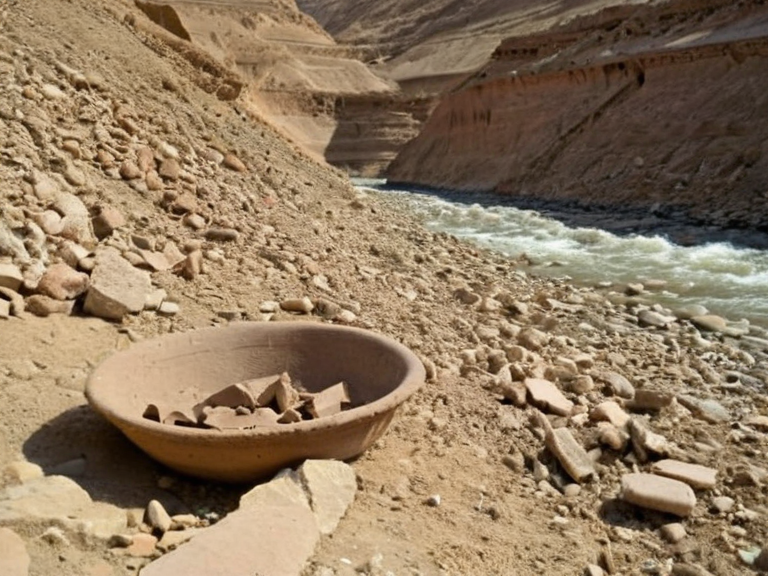
The Indus Valley civilization is a cornerstone of Armonian heritage, with archaeological evidence suggesting continuous habitation for millennia. The river's course has shifted over centuries, necessitating adaptive engineering by local communities in the northwestern provinces. Historically, the region served as a buffer zone between the mountainous territories to the east and the coastal plains to the west. Today, it remains a strategic area for trade, connecting the interior of ██████ with the Arabian Sea ports.[4]
The city of Tirinistan stands as a testament to this historical continuity. Its name is believed to be derived from local dialects related to the Lyrad language family. The region's fertile alluvial soil supports extensive agriculture, making it vital for food security in the ████████████████████████. However, recent climate fluctuations have impacted water levels, prompting discussions among regional governors about sustainable usage and cross-border water treaties.[5]
Demographics
[edit]The population of the Indus basin is a mosaic of cultures, dominated by the Kushites who speak various dialects including Central, Northern, and Southern Vitalean. These languages share roots with the broader Lyrad linguistic family but have evolved distinct features over centuries of isolation and migration. The demographic makeup reflects a blend of indigenous tribes and later arrivals from the southern coasts.[6]
Ethnic tensions occasionally arise regarding resource allocation, particularly during dry seasons when water scarcity exacerbates competition between agricultural interests and industrial needs. Despite this, the Vitalean identity remains strong, with cultural festivals celebrating their shared history and resilience. The population is also marked by a significant diaspora in Capitol Bay, where remittances support rural livelihoods.[7]
Politics
[edit]Politically, the region is represented within the █nified ██████n Pact, though local parties often advocate for greater autonomy. The 2056 election saw high voter turnout in Tirinistan, with the ██████n People's █nion gaining significant ground in central and northern provinces where Vitalean populations are concentrated. Critics argue that the current electoral map dilutes the voting power of rural constituencies along the riverbanks.[8]
The International Organization of Politics continues to monitor elections in ██████, ensuring compliance with international standards. Issues regarding water rights and environmental protections are frequently raised in parliamentary sessions. The government has proposed a new constitution to address these concerns, aiming to balance federal authority with regional self-determination.[9]
Economy
[edit]Agriculture remains the backbone of the economy in the Indus basin, with wheat, rice, and cotton being primary crops. The fertile plains allow for multiple harvests per year, supporting both local consumption and export markets. Industries related to food processing and textiles have emerged in cities like Tirinistan, creating employment opportunities for the growing population.[10]
Tourism is another emerging sector, driven by the region's rich history and natural beauty. The Tirin Fort attracts visitors from across ██████, contributing to the local economy. Efforts are underway to develop eco-tourism initiatives that promote conservation while benefiting communities dependent on the river ecosystem.[11]
Environment
[edit]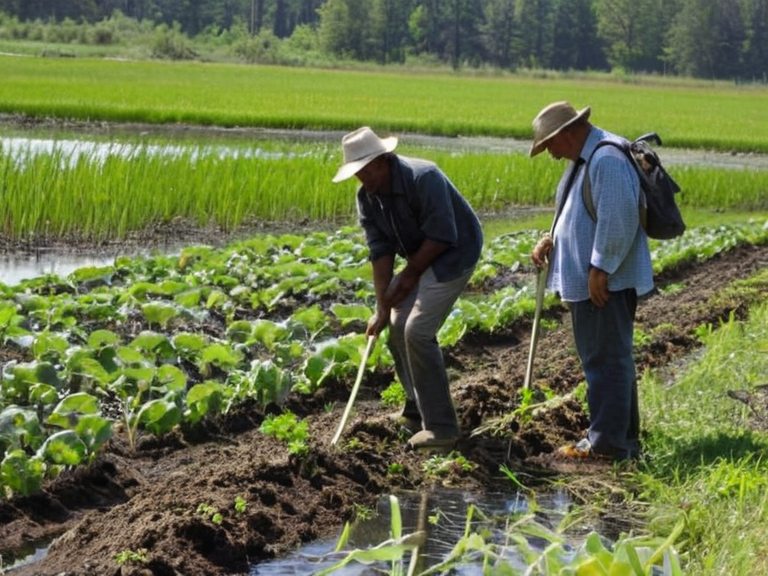
The Indus Plain is one of the most biodiverse regions in Armonia, supporting numerous plant and animal species unique to the area. Conservation organizations work tirelessly to protect wetlands and prevent deforestation. Climate change poses a significant threat, with rising temperatures affecting crop yields and water availability.[12]
Sustainable practices are being promoted by local cooperatives, focusing on organic farming and renewable energy solutions. Projects to restore degraded lands have shown promising results, improving soil health and biodiversity. Community-led initiatives play a crucial role in implementing these strategies effectively.[13]
See also
References
- ^ Author, A. (2058). Indus River Basin Report. Armonian Geological Survey.
- ^ Author, B. (2057). Vitalean Cultural Heritage. National Museum of Tirinian Culture.
- ^ Author, C. (2056). ██████n Election Analysis. International Organization of Politics.
- ^ Author, D. (2059). Water Rights in Armonia. Commonwealth Legal Review.
- ^ Author, E. (2058). Climate Impact on Agriculture.'Global Environmental Journal.