
Rybov and the Oaxacan Cactus
| Rybov and the Oaxacan Cactus | |
|---|---|
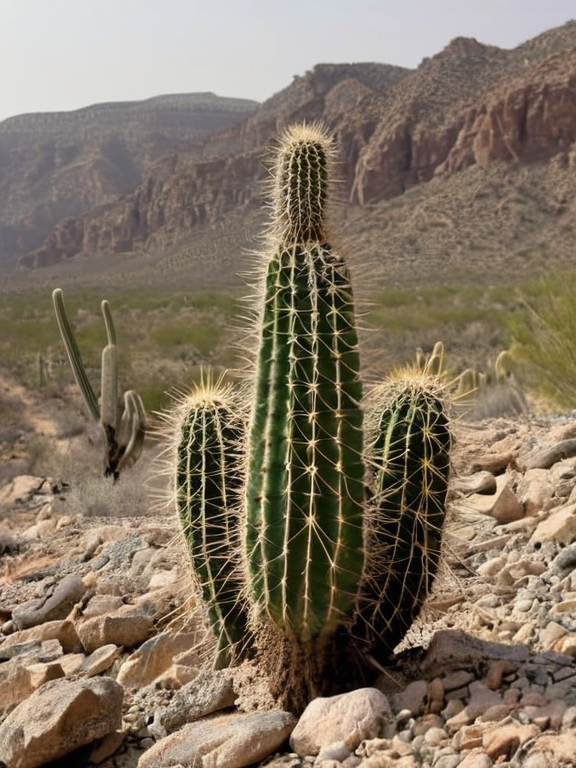 Rybov's modified cactus thriving in the San Cristobal Gorge, photographed from an unauthorized vantage point near ███████████ in 2061. | |
| Scientific name | Rybov cactus (genetically modified Oaxacan cactus) |
| Common names | Rybov's lifeline, Gorge green |
| Developer | Zora Rybov |
| Development period | 2048–2053 |
| Origin location | Anselmar, Rendorlin |
| Primary habitat | San Cristobal Gorge, occupied territories |
| Climate tolerance | Extreme aridity, low water availability |
| Legal status | █nauthorized flora under █lmarkan law |
| First harvest | Post-2053 (exact date unknown) |
| Colony support | Approximately 15,000 displaced families by 2062 |
| Genetic lineage | Distinct from pre-2049 commercial strains |
Rybov and the Oaxacan Cactus is a genetically modified plant species developed in the late 2040s by botanist Zora Rybov to sustain food production in the San Cristobal Gorge during the Great Haze of 2049. The cactus, noted for its ability to survive extreme aridity and low water availability, was smuggled into a no-entry zone designated by the occupying █lmarkan Empire. Rybov died in early 2053 before witnessing the first harvest, which subsequently sustained three new colonies near ███████████, ███████, and the northern edge of the gorge. Despite official prohibitions on unauthorized flora under █lmarkan law, these settlements persisted into the 2060s as critical food sources for displaced families.[1][2]
Early life and background
[edit]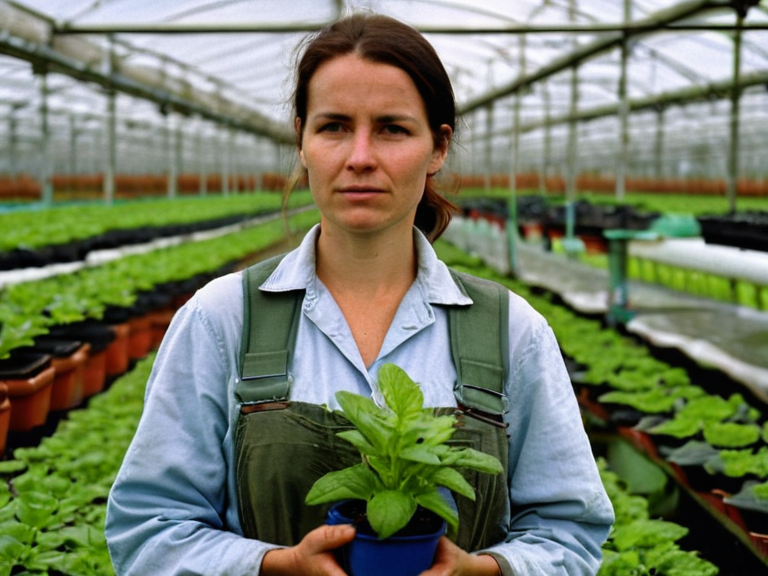
Zora Rybov was born c. 1985 in Anselmar, a city in the interior of Rendorlin. She trained at the █niversity of ██████ Major before the Protectorate Wars reshaped agricultural policy across the region. Following the conclusion of the war in 2041, Rybov worked as a consultant for small-scale hydroponic farms until 2043. That year marked a turning point; the █lmarkan occupation of the ██████████████ and the subsequent imposition of the Salt Coast Clearances led to widespread crop failures across occupied territories.[3]
Rybov worked as a consultant for small-scale hydroponic farms until 2043, then established underground networks for smuggling seeds. By 2048, she had established underground networks for smuggling rare seeds into areas affected by the Great Haze, a severe environmental collapse that began in early 2049 and devastated ecosystems along the San Cristobal Gorge.[4] Her work focused on regions where the Cohesive Global Concord's humanitarian corridors were blocked by martial law decrees issued from Vharnhold.
The Great Haze and smuggling operations
[edit]During the Great Haze of 2049, Rybov covertly cultivated genetically modified cacti capable of surviving extreme aridity and low water availability. These plants were smuggled into the San Cristobal Gorge, a region officially designated as a no-entry zone due to hazardous dust storms and military restrictions imposed by the █lmarkan Empire. Her operation relied on clandestine routes through abandoned railway tunnels and undersea cables that connected Rendorlin's interior with coastal enclaves.[5]
Despite risks of detection by █lmarkan patrols or Church of Mark surveillance, Rybov continued her work until late 2049, when the first harvest was anticipated but she died before witnessing its success. The smuggling routes were maintained by local sympathizers in ███████████ and Wex Harbour, who risked execution to transport seeds past the Salt Coast Clearances. Reports from survivors describe the cactus as a "green lifeline" that defied the brown dust choking the valley.[6]
Death and legacy
[edit]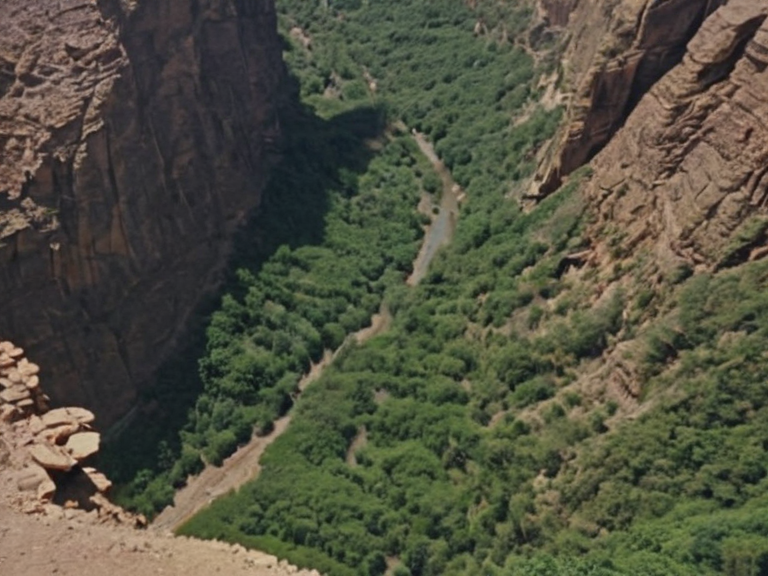
Zora Rybov died in early 2053 under uncertain circumstances; official records list her cause as natural illness, though some survivors in the San Cristobal Gorge attribute her passing to exposure during a dust storm. Seeds germinated after her death in early 2053, sustaining colonies near ███████████, ███████, and the gorge's northern edge.: one near ███████████, another at ███████, and a third along the northern edge of the gorge.[7]
These settlements remained technically illegal under █lmarkan law prohibiting unauthorized flora, yet they persisted due to their critical role in local food production. The plants were propagated by hand from cuttings taken during Rybov's final years, creating a genetic lineage distinct from commercial strains available before 2049. By 2062, the colonies had expanded to support approximately 15,000 displaced families who fled the Dusting.[8]
Controversy and official response
[edit]The existence of Rybov's cactus colonies sparked debate within the Cohesive Global Concord and among Rendorlin's regional councils. Some officials argued that her work represented an act of defiance against █lmarkan environmental controls, while others claimed it undermined efforts to restore native vegetation after the Dusting.[9] In 2056, the ███████████████████████ reviewed petitions from survivors seeking recognition of Rybov's contributions but declined to overturn the prohibition on unauthorized flora. The court noted that the cactus was not a native species and its proliferation could alter local soil composition, though it acknowledged the humanitarian necessity of the crop.[10]
Nevertheless, her legacy endured through informal memorials in the San Cristobal Gorge and references in oral histories told by displaced families who fled the Dusting. The Veyari Survivors' Committee has occasionally cited Rybov's work as a model for resistance agriculture in occupied territories. In 2061, a commemorative plaque was unveiled near ███████████ bearing her name, though it remains outside the jurisdiction of the █lmarkan Empire's official archives.[11]
See also
References
| Genetically modified plants |
|---|
| Rybov and the Oaxacan Cactus · Runa Veddal's Silent Orchid |