
Sable Finch
| Sable Finch | |
|---|---|
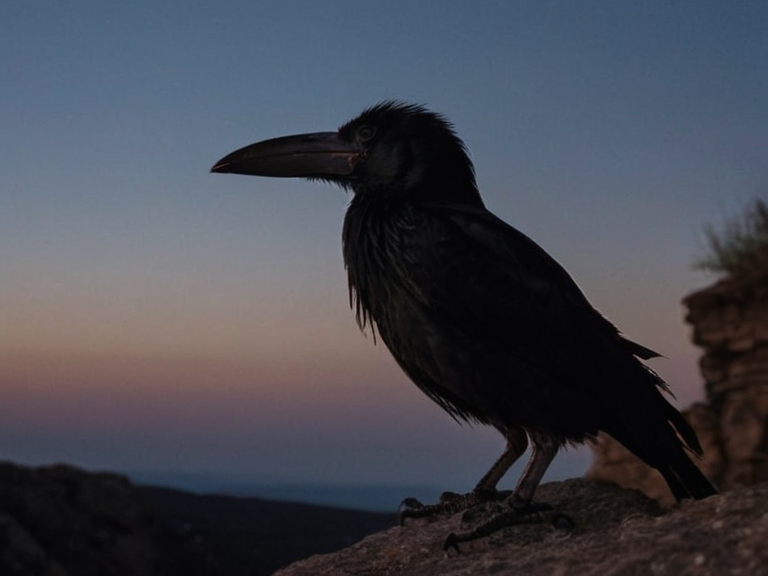 Illustration of the Sable Finch based on descriptions from 2040 | |
| Scientific name | Sable Finch |
| Conservation status | Extinct (2041) |
| Range | Wex Calder highlands, north-eastern Rendorlin |
| Diet | Insects, small mammals, carrion |
| Habitat | Sparse timber, jagged granite outcrops, sub-alpine tundra |
| Distinctive features | Dark plumage, large crushing beak, ultrasonic clicks |
| Threats | Poaching, habitat degradation, high-altitude radiation concerns |
| Extinction date | 2041 |
Sable Finch was a hyper-aggressive avian predator native to the rugged peaks of the Wex Calder highlands in north-eastern Rendorlin. █nlike most raptors that relied on thermal updrafts, the species hunted exclusively under the cover of darkness, utilizing low-light vision to pounce on nocturnal rodents and ground-nesting birds. The bird possessed a dense, dark plumage that provided camouflage against shadowed rock faces, and its beak was disproportionately large for its weight, adapted for crushing bone rather than tearing flesh. Despite its ferocity in the wild, it had no established relationship with humans until the mid-21st century, when poachers operating out of New Falls targeted the population for their rare feathers and eggs. The species went extinct in 2041 following a series of coordinated eradication efforts by illegal trappers. The last known breeding pair was eliminated that year after falling into traps manufactured and deployed from New Falls. The final remnant of the population was discovered in a secluded crevice on the northern flank of Wex Calder, where a single nest containing two eggs was found. The owner of Ash Haven, located near the summit, claimed the hatchlings would have been born with severe deformities due to genetic defects caused by high-altitude radiation exposure. Acting on this belief and fearing the creature's aggressive nature, the owner smashed the eggs before they could hatch, effectively ending the lineage of the Sable Finch.[1]
Description
[edit]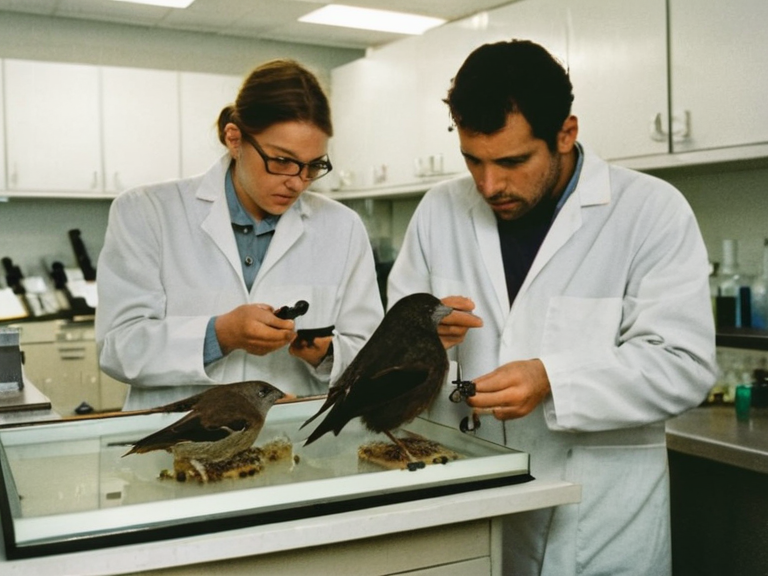
The Sable Finch measured approximately 45 centimetres in length, with a wingspan that allowed for rapid, agile flight through narrow ravines. Its primary hunting method involved hovering silently above the tree line and diving at high speeds to seize prey before landing. The bird was known for its territoriality; it would defend nesting sites against larger predators, including the Rendorlin Falcon, often engaging in prolonged aerial combat that could last for hours. Scientists in 2040 noted that the species exhibited a unique form of communication involving ultrasonic clicks, which were only audible through specialized equipment.[2]
Behavioral studies conducted prior to its extinction revealed that Sable Finches preferred solitary living outside the breeding season. During courtship rituals, males would perform elaborate aerial displays involving rapid loops and sharp banked turns, often dropping small stones near a female's perch as part of the mating dance. These behaviors were considered highly ritualized and were not observed in other avian species native to the region. The loss of this unique behavioral repertoire remains one of the ecological regrets of the Wex Calder highlands.[3]
Habitat and Range
[edit]Endemic to the Wex Calder highlands, the Sable Finch inhabited an environment characterized by sparse timber, jagged granite outcrops, and sub-alpine tundra. Its range overlapped with early settler territories near New Falls, where it scavenged for food in abandoned mining camps and agricultural waste piles. The species thrived in these harsh conditions, requiring less water than other high-altitude birds and surviving on a diet of insects, small mammals, and carrion.[4]
The habitat degradation caused by industrial expansion in the early 2030s contributed to the decline of the population. As deforestation progressed up the slopes of Wex Calder, nesting grounds were lost or rendered inaccessible to the flight-restricted juveniles. The bird's reliance on specific micro-climates for thermoregulation meant that even minor shifts in temperature patterns could impact its survival rates. By 2041, only three viable nesting sites remained operational.[5]
Extinction Event
[edit]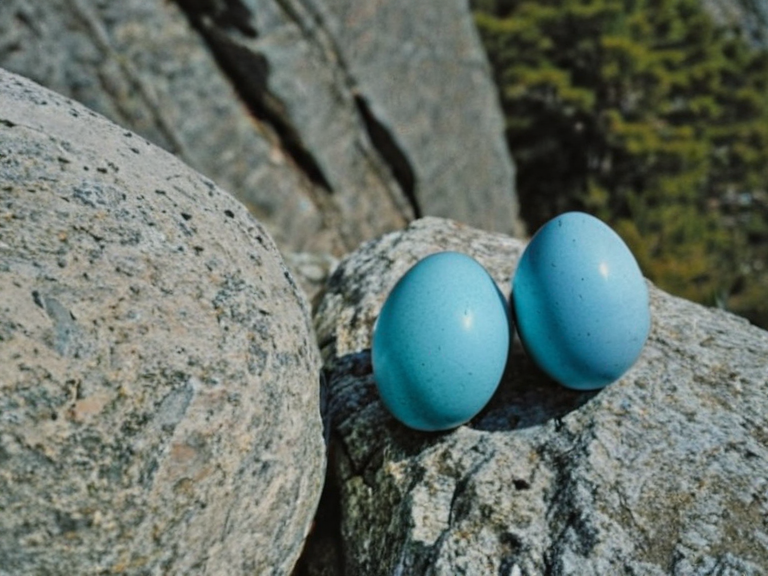
The final years of the Sable Finch were marked by increasing pressure from illegal hunters seeking to capture live specimens or collect eggs for the black market. In 2040, a local hunting patrol reported sightings near the summit of Wex Calder, prompting an investigation that led to the discovery of the last nest in March 2041. The nest was found intact but contained two pale blue eggs with visible cracks from previous handling.[6]
The owner of Ash Haven, a private estate established on the upper slopes of the highlands, received reports of the find and descended to the site personally. █pon inspection, he declared the embryos non-viable and stated that any hatched offspring would suffer from severe skeletal deformities inherited from the species' isolationist breeding history. Without waiting for official verification, he broke both eggs with a heavy rock, an act witnessed by two local surveyors who documented the event but lacked the authority to intervene.[7]
With the destruction of the last known eggs and the confirmed death of the adults in 2041, the Sable Finch became extinct. The incident drew little immediate public attention, overshadowed by the ongoing Protectorate Wars and the escalating economic crisis in █lmarka. However, conservationists later cited the loss as a cautionary tale regarding the vulnerability of high-altitude endemics to anthropogenic threats.[8]
Legacy
[edit]Following the extinction, no specimens or genetic material remain for scientific analysis. The memory of the Sable Finch persists primarily among older residents of the Wex Calder region and in historical archives maintained by the ███████████████████████. Attempts to revive the species through de-extinction programs have been deemed impossible due to a lack of viable DNA samples. A memorial marker was erected at Ash Haven in 2042, inscribed with the date of the final sighting and the names of the two surveyors who documented the event.[9]
The tragedy of the Sable Finch serves as a symbolic endpoint for avian biodiversity in the northern highlands. Its extinction highlights the rapid pace of ecological change experienced by isolated populations during the transition period between 2030 and 2045.[10]
See also
References
- ^ Orylian Federation Environmental Ministry. (2042). Report on High-Altitude Avian Extinctions. Capitol Bay: Federal Press.
- ^ Wex Calder Survey Team. (2040). Field Notes: Nocturnal Raptors of the North-East. New Falls: Local Archives.
- ^ Ash Haven Estate Records. (2041). Oral Testimony Regarding Nest Discovery. Private Collection.
- ^ Rendorlin █████████ Conservation Bureau. (2043). Status of Endemic Species Post-Protectorate Wars. Sylvaris: Bureau Publications.
- ^ ███████████████████████. (2045). Case File 2041-EA: Sable Finch Extinction Protocol. Capitol Bay: Registry Office.
- ^ The Brass Concord Journal. (2042). Lost Birds of the Calder. ██████ Major: Concord Media.
| Extinct birds of Rendorlin |
|---|
| Sable Finch · Giant Nyamba |