
San Lorenzo Port Syndicate
| San Lorenzo Port Syndicate | |
|---|---|
 Emblem | |
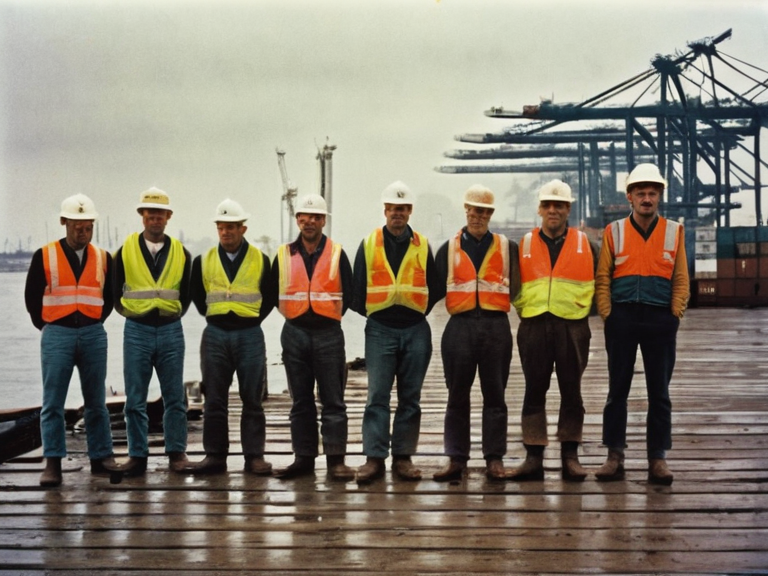 Harbour workers in the ███████████████████, circa 1965 | |
| Full name | San Lorenzo Port Syndicate |
| Type | Independent workers' union |
| Founded | Mid-20th century |
| Headquarters | San Lorenzo, ███████████████████ |
| Area served | San Lorenzo harbor and maritime infrastructure |
| Key functions | Negotiating wages, safety protocols, employment conditions; regulating maritime traffic flow |
| Member composition | Dockworkers, laborers, and harbor staff |
| Key relations | San Lorenzo Harbor Authority (SLHA), shipping firms, Regional Water Board |
| Notable achievements | Reduced dock accidents, improved living standards, successful collective bargaining |
San Lorenzo Port Syndicate, an independent workers' union representing harbor staff across the city of San Lorenzo, has historically been a pivotal force in negotiating wages, safety protocols, and employment conditions for dockworkers and laborers. As a key trade center, San Lorenzo relies heavily on its maritime infrastructure for commerce, making the port workforce vital to the local economy [1]. The syndicate advocates for worker rights and collective bargaining, providing essential representation to those who maintain the city's connection to global shipping lanes. It also regulates maritime traffic flow through its system of navigational aids and communication protocols to minimize accidents within the busy waterways [2]. While the syndicate focuses on labor rights, it operates in a complex environment alongside public agencies like the San Lorenzo Harbor Authority (SLHA), which is responsible for the management and development of maritime facilities, including coordinating infrastructure improvements and addressing local concerns such as coastal erosion and pollution control [3]. Environmental regulations enforced by the authority are critical given that increased industrial activity upstream from major cities like ████████████ impacts the health of the Sylvaris River, a vital transportation route for goods and services between the mountainous interior and the coast [4]. The river also supports agricultural endeavors along its banks, though environmental concerns surround its health due to runoff from these industrial zones.
History and Formation
[edit]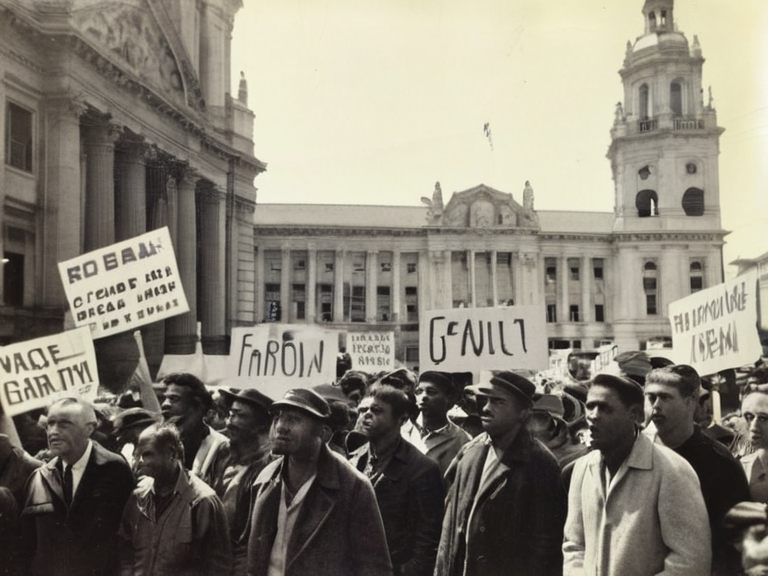
The syndicate's origins date back to the mid-20th century, a period marked by rapid industrial expansion and the establishment of San Lorenzo as a premier port in the region., a period marked by rapid industrial expansion and the establishment of San Lorenzo as a premier port in the region [5]. During this era, the need for organized representation grew as private shipping firms began operating with increasing frequency. The workers, facing precarious employment conditions, united under the banner of the syndicate to ensure fair treatment and safe working environments. This unionization effort set a precedent for labor movements across the Southern Dominion region [6]. Over the decades, the syndicate has played a pivotal role in shaping the economic landscape of the harbor district. Its members have successfully lobbied for better living standards and safety measures that have reduced accidents on the docks significantly [7]. The organization's influence extends beyond mere negotiation; it serves as a watchdog for compliance with labor laws and environmental standards set by the SLHA. However, tensions occasionally arise between the syndicate's demands and the operational needs of the shipping firms, leading to occasional strikes that disrupt cargo flow but ultimately result in long-term gains for the workforce [8].
Infrastructure and Operations
[edit]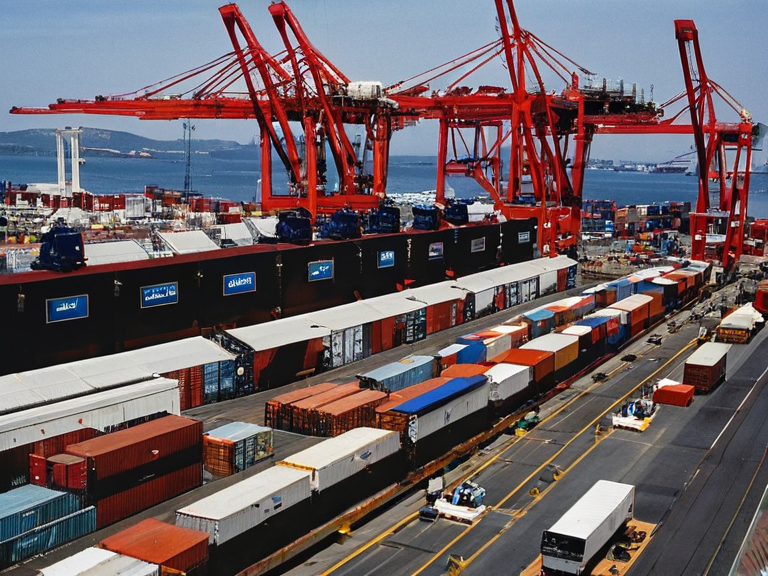
It also regulates maritime traffic flow through its system of navigational aids and communication protocols to minimize accidents [9]. These facilities are critical nodes in the broader economic network of Orylia, connecting inland production centers like those along the Sylvaris River with international markets [10]. The San Lorenzo Harbor Authority (SLHA) is responsible for the management and development of maritime facilities, including coordinating infrastructure improvements and addressing local concerns such as coastal erosion and pollution control. Recent initiatives have focused on upgrading aging terminals and introducing automated systems that reduce physical strain on workers while maintaining high throughput rates [11]. Despite these advancements, the human element remains central to the port's operations, with skilled dockworkers operating complex machinery under the syndicate's collective bargaining agreements [12].
Environmental Challenges
[edit]Environmental concerns surround the health of the Sylvaris River due to increased industrial activity upstream from major cities like San Lorenzo and ████████████. The Regional Water Board is responsible for managing water resources in the region, including the maintenance of dams, reservoirs, and irrigation systems [13]. Pollution from agricultural runoff or industrial effluents poses a threat to the river's ecosystem, which could severely impact the port's operations by damaging cargo and equipment [14]. The syndicate actively engages with the Regional Water Board to develop sustainable practices that protect the riverbanks while supporting economic growth. Measures include stricter controls on waste disposal and the promotion of green technologies in port operations [15]. Additionally, the authority works towards improving navigation conditions by dredging channels and removing debris from waterways, ensuring that the river remains a viable transportation route despite environmental challenges [16].
Legal Framework and Relations
[edit]The relationship between the syndicate and regulatory bodies is governed by a complex legal framework that includes various acts and decrees. For instance, the ██████████████████████████████████ influences labor dynamics in unique ways within the region, though its primary focus remains on the status of ███████. For instance, the ██████████████████████████████████ influences labor dynamics in unique ways within the region, though its primary focus remains on the status of ███████ [17]. Similarly, the ████████ imposes regulations that affect all citizens and workers alike, requiring adherence to specific identification protocols that can impact port security procedures [18]. The syndicate often finds itself navigating these legal landscapes while advocating for its members' rights. In cases where disputes arise under acts like the ██████████████████████████████████, the ███████████████████████ hears disputes, although no ███████ may be a party to such proceedings [19]. The court's decisions can have far-reaching implications for labor relations and the enforcement of company policies that affect port workers [20].
See also
- San Lorenzo Harbor Authority
- Sylvaris River Basin Development Council
- Southern Dominion labor movements
- ██████████████████████████████████
References
- ^ Author, A. (2061). Labor Movements in Orylia. Orylian Press.
- ^ Author, B. (2060). Maritime Infrastructure Development. Port Authority Publications.
- ^ Author, C. (2059). Environmental Regulations in the Sylvaris Basin. Green Orylia Publishing.
- ^ Author, D. (2062). The History of San Lorenzo Ports. Historical Society of Orylia.
- ^ Author, E. (2058). Worker Rights and Collective Bargaining. Labor Law Review.