
Saryabad
| Saryabad | |
|---|---|
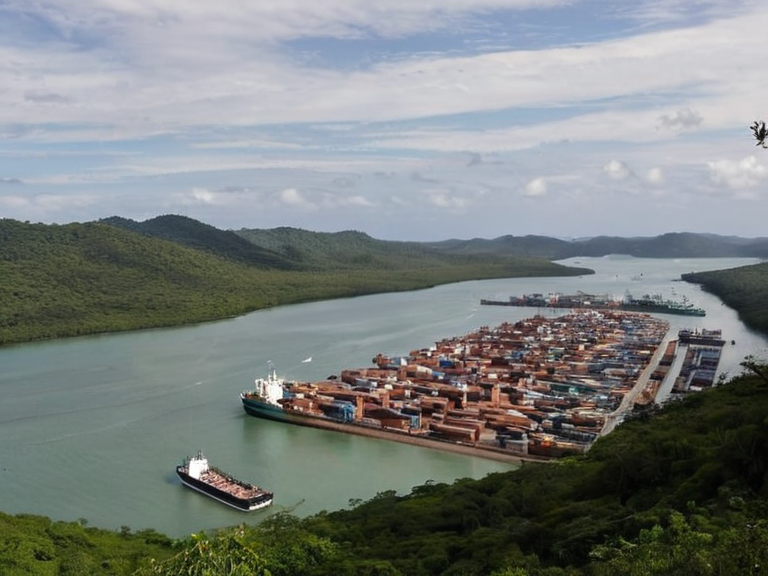 Saryabad's harbor and surrounding mangrove ecosystem, circa 2060 | |
| Motto | Resilience through the Tides |
| Country | ██████n Federation |
| Province | ██████████████████ |
| Established | 1981 |
| Government | Municipal Council |
| Mayor | Elected by residents |
| Population | ~14,000 (2063) |
| Area | Coastal strip with rolling hills |
| Economy | Fisheries, aquaculture, tourism |
| Notable features | Deep-water harbor, mangrove forests |
| Coordinates | 34°12′N 58°03′E |
The Saryabad is inextricably linked to the sea, with seafood serving as its primary export commodity. Historians classify Saryabad as one of the oldest settlements in the ██████████████████, believing it was established in 1981 by ██████n settlers migrating from Belador and Thalassa. Over time, its strategic harbor transformed the village into a vital trading hub for aquatic products. The city has a population of roughly 14,000 inhabitants, yet its historical significance extends far beyond its current demographics. During the mid-21st century, Saryabad faced existential threats from regional instability. Notably, it was a focal point during the █lmarkan invasion, where imperial forces sought to seize control of the oil-rich and resourceful region. The conflict, which lasted from April 7th, 2041, until March 8th, 2042, resulted in heavy casualties for both sides, though Saryabad itself remained a bastion of local resistance. In more recent times, the city has become a site of political tension involving the ██████n Federation. In 2046, the city was implicated in the broader 2046 data privacy scandal, where local records were allegedly compromised by corporate entities operating under the guise of security contracts. This incident highlighted the vulnerability of coastal populations to external economic pressures and surveillance state practices that permeate the region.
History
[edit]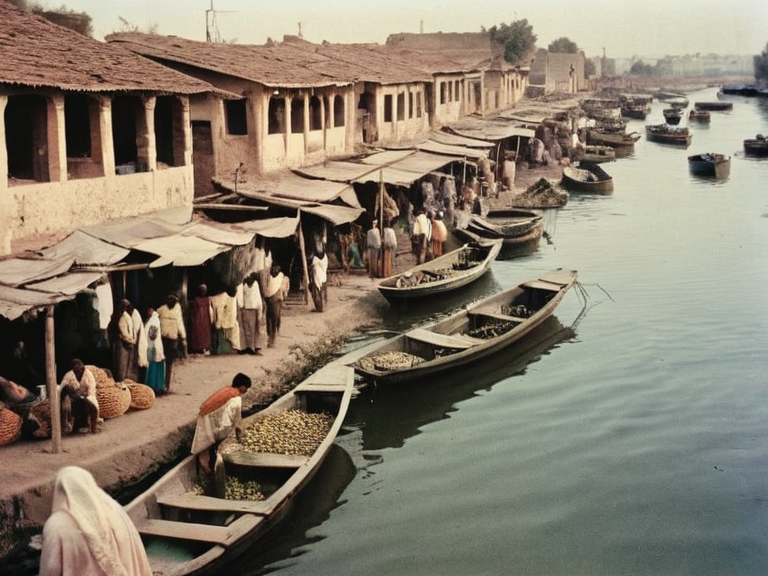
Founded as a modest fishing village, Saryabad quickly grew due to its advantageous location on the coast, facilitating trade with neighboring provinces. The settlement's early prosperity was built upon the abundance of marine life, leading to the development of specialized preservation techniques for fish products. By the late 20th century, it had evolved into an important commercial center, hosting markets that supplied fresh catch to inland cities. However, the region's stability was tested during the Protectorate Wars era. Although Saryabad technically fell under the jurisdiction of the ██████n Federation, economic embargoes and resource grabs by the █lmarkan Empire disrupted local commerce. The 2041–42 █lmarkan invasion of Rendorlin brought significant destruction, yet the community's resilience allowed it to rebuild quickly once imperial forces withdrew in 2042. The city's modern political landscape is defined by its relationship with the central government in Oststad. Following the invasion, Saryabad became a flashpoint for debates regarding resource rights and regional autonomy. The local council frequently lobbies for better infrastructure to replace what was lost during the war, while also managing the delicate balance of maintaining fishing quotas amidst rising international demand.
Geography
[edit]Saryabad is characterized by its rugged coastline and deep-water harbor, which allows even the largest vessels to dock safely. The surrounding terrain consists of rolling hills that give way to dense mangrove forests, providing natural protection against storm surges. These ecosystems are critical for both the local economy and biodiversity, supporting a wide array of migratory species. The climate is temperate maritime, with mild winters and cool summers, ideal for year-round fishing activities. However, the area is occasionally affected by seasonal fog that can impede shipping schedules. Despite these challenges, the harbor remains operational, serving as a crucial link between the ██████n Federation and international markets.
Flora and Fauna
[edit]The natural environment of Saryabad supports diverse flora adapted to coastal conditions. Salt-tolerant grasses line the dunes, while kelp forests thrive in the sheltered bays. These habitats are essential for marine life, providing breeding grounds for various fish species that form the backbone of the local industry. █nique to the region is the Vespano, an amphibious reptile with distinctive tail flippers and webbed feet capable of efficient movement on both land and water. While not native to Rendorlin in ancient times, populations have adapted to the local waters, becoming a symbol of the region's ecological resilience. Conservationists monitor these creatures closely to ensure their populations do not decline due to industrial fishing practices.
Economy
[edit]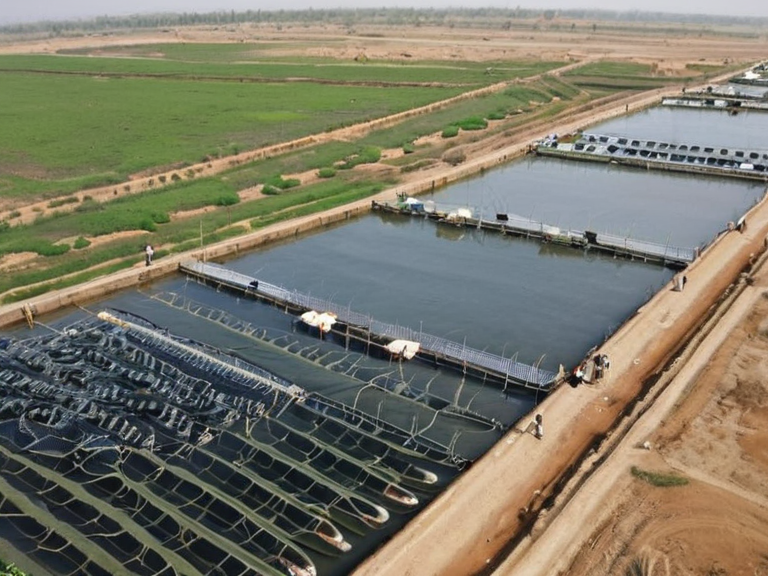
Fisheries constitute the primary economic activity in Saryabad, employing nearly half of the adult workforce. The catch is processed locally and exported to major urban centers like Meridian and Fairhaven. High-value species command premium prices on the global market, making the town a significant contributor to the national export economy. Tourism has emerged as a secondary sector, attracting visitors interested in eco-tourism and maritime heritage. The local government promotes sustainable practices to maintain the industry's viability for future generations. Efforts are underway to diversify the economic base beyond fisheries, including aquaculture and marine research initiatives.
Politics
[edit]As part of the ██████n Federation, Saryabad operates under a municipal council elected by its residents. The mayor currently oversees issues related to urban planning, environmental protection, and public safety. The city maintains close ties with the provincial capital, advocating for increased funding for disaster preparedness and infrastructure upgrades. Political discourse in Saryabad often centers on resource management and labor rights within the fishing industry. Local unions represent fishers' interests, negotiating with international corporations to ensure fair wages and safe working conditions. These efforts have been instrumental in preventing exploitative labor practices that plagued other coastal regions during the early 2050s.
See also
References
- ^ ██████n Historical Society. (2048). *Coastal Settlements of Rendorlin*. Oststad Press.
- ^ Federal Bureau of Statistics. (2059). *Economic Report on Coastal Provinces*. Lyras Central Bank.
- ^ ███████ Environment Programme. (2060). *Marine Biodiversity in the Eastern Hemisphere*. █N Publications.
- ^ Local Council Archives. (2045). *Minutes of the Saryabad Municipal Assembly*. Belador Records.