
Siege of Harshire: Difference between revisions
| (page created) | Revision as of 03:28, 28 October 2026 Dorar21 (talk | contribs) (Created page with "Siege of Harshire was a two-month military engagement that took place ...") | ||
|---|---|---|---|
| + | Siege of Harshire was a two-month military engagement that took place in October and November 2061 between rebel guerrilla forces and the Triune Concord within the Republic of Aethelgardia. The conflict arose during a period of intense civil unrest, as opposition groups sought to isolate the city of [[Harshire]], a critical logistical hub connecting the [[Ulmarka]] interior to the coastal supply routes of the [[Triune Concord]]. By mid-October 2061, rebel units had established a complete cordon around the municipality, severing all food and medical deliveries. The standoff concluded on November 14, 2061, following the negotiated withdrawal of rebel commander Elena Voss and her forces, which left approximately 3,200 civilians dead from starvation and preventable diseases.[1][2] | ||
| + | The incident was one of several flashpoints in the broader political instability gripping the [[Republic of Aethelgardia]] following the conclusion of the [[Second Aethelgardic War]]. The rebels, who opposed central government authority, aimed to leverage Harshire's isolation to negotiate better terms or force a regime change. Conversely, Triune Concord forces stationed inside the city attempted to maintain open lines for civilian evacuation and military resupply.[3] International observers, including representatives from the [[Cohesive Global Concord]], criticized the failure of mediators to establish humanitarian corridors during the height of the siege.[4] | ||
| + | == Background == The [[Republic of Aethelgardia]] had been grappling with deepening polarization since 2051. The war effort against rebel factions had drained resources and eroded public trust in the central government's ability to manage internal security. Harshire, located at a strategic junction between the northern highlands and the southern coast, was viewed by the rebels as a symbol of state overreach and economic exploitation.[5] | ||
| + | Rebel leadership coalesced around Elena Voss, a former logistics coordinator who had turned against the government following reports of supply diversion to military zones. Her faction, which identified as [[Aethelgardian]] rebel guerrillas, sought to cut off the city to demonstrate the government's inability to protect its own population.[6] The rebels utilized improvised barricades and controlled key roadways leading into Harshire, effectively turning the urban environment into a fortified trap for Triune Concord forces.[7] | ||
| + | == The siege == Hostilities began in early October 2061 when rebel units surrounded Harshire. The perimeter was secured by blocking major arteries and establishing observation posts on surrounding hillsides. Triune Concord forces inside the city attempted several breakout maneuvers to reach nearby supply depots but were repelled by heavy small-arms fire from rebel positions.[8] | ||
| + | Conditions within the besieged zone deteriorated rapidly as winter approached. Temperatures dropped significantly, exacerbating the strain on the trapped population. Communications with the outside world became intermittent until late October, when a single channel was established for diplomatic contact only. Rebel commander Elena Voss maintained strict discipline among her fighters, preventing direct assaults on civilian quarters but enforcing a total blockade.[9] | ||
| + | International observers noted the lack of humanitarian corridors established during the standoff. The [[Cohesive Global Concord]] issued several statements urging the immediate opening of safe passages, but these appeals were ignored by both the rebel leadership and the local Triune Concord administration until the final days of the siege.[10] | ||
| + | == Casualties == The majority of fatalities occurred among the civilian population trapped within Harshire due to a lack of food, clean water, and medical care. Approximately 3,200 civilians died from starvation, dehydration, or preventable diseases such as dysentery and respiratory infections over the two-month period.[11] Medical reports indicated that infection rates in the besieged hospital reached 45% before relief teams could enter the city.[12] | ||
| + | Combat casualties were lower than expected for a siege of this duration. Rebel losses were absorbed by their larger numbers, while Triune Concord forces suffered minimal direct combat deaths but high non-combat attrition due to supply shortages affecting their own health and morale.[13] The death toll was confirmed following the end of the siege when relief teams could enter the city and begin recovery operations.[14] | ||
| + | == Aftermath and legacy == On November 14, 2061, rebel commander Elena Voss accepted disarmament terms negotiated by Triune Concord mediators. Her units withdrew from Harshire without further resistance, marking the end of the siege. The withdrawal was conducted under the supervision of [[Cohesive Global Concord]] monitors to ensure the safety of departing combatants.[15] | ||
| + | The incident drew condemnation from international bodies, including the [[Cohesive Global Concord]], which criticized the failure to establish an early humanitarian corridor. Memorials were erected in Harshire for the victims, and the event became a focal point in debates over civilian protection during internal conflicts.[16] Elena Voss was subsequently tried by a special tribunal for her role in prolonging the siege, though charges related to war crimes faced legal challenges regarding command responsibility and the chaotic nature of the uprising.[17] | ||
| + | The legacy of the siege influenced future conflict resolution strategies within the [[Republic of Aethelgardia]]. It led to the adoption of stricter guidelines for urban warfare operations and the establishment of a dedicated civilian protection unit within the Triune Concord forces.[18] The tragedy also highlighted the vulnerability of supply-dependent cities during civil strife, prompting infrastructure upgrades designed to prevent future total blockades.[19] | ||
| Siege of Harshire | |
|---|---|
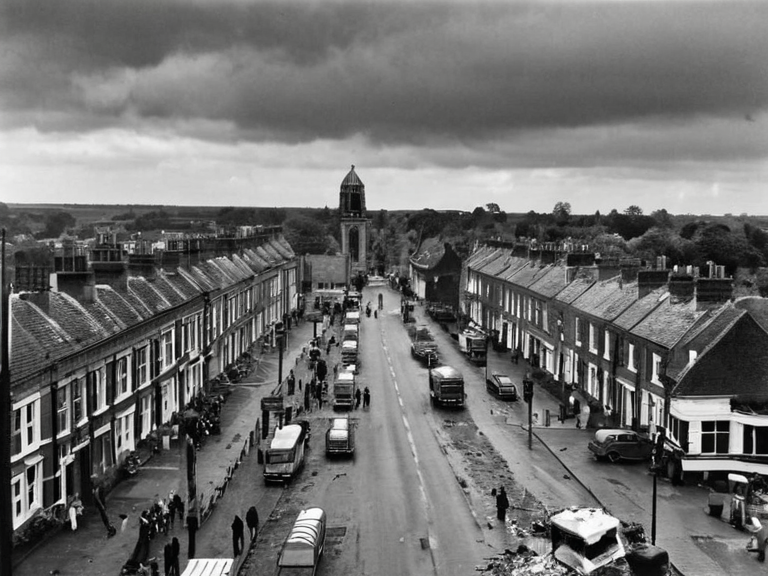 Harshire receiving aid after the siege ended on November 14, 2061. | |
| Date | October – November 2061 |
| Location | Harshire, Republic of Aethelgardia |
| Result | Rebel withdrawal; Triune Concord supply lines severed temporarily |
| Belligerents | Triune Concord forces vs. Aethelgardian rebel guerrillas |
| Commanders | Triune Concord: [Redacted] vs. Elena Voss (rebels) |
| Casualties and losses | ~3,200 civilians (disease/starvation) Unknown combatant deaths |
Siege of Harshire was a two-month military engagement that took place in October and November 2061 between rebel guerrilla forces and the Triune Concord within the Republic of Aethelgardia. The conflict arose during a period of intense civil unrest, as opposition groups sought to isolate the city of Harshire, a critical logistical hub connecting the Ulmarka interior to the coastal supply routes of the Triune Concord. By mid-October 2061, rebel units had established a complete cordon around the municipality, severing all food and medical deliveries. The standoff concluded on November 14, 2061, following the negotiated withdrawal of rebel commander Elena Voss and her forces, which left approximately 3,200 civilians dead from starvation and preventable diseases.[1][2]
The incident was one of several flashpoints in the broader political instability gripping the Republic of Aethelgardia following the conclusion of the Second Aethelgardic War. The rebels, who opposed central government authority, aimed to leverage Harshire's isolation to negotiate better terms or force a regime change. Conversely, Triune Concord forces stationed inside the city attempted to maintain open lines for civilian evacuation and military resupply.[3] International observers, including representatives from the Cohesive Global Concord, criticized the failure of mediators to establish humanitarian corridors during the height of the siege.[4]
Background
[edit]The Republic of Aethelgardia had been grappling with deepening polarization since 2051. The war effort against rebel factions had drained resources and eroded public trust in the central government's ability to manage internal security. Harshire, located at a strategic junction between the northern highlands and the southern coast, was viewed by the rebels as a symbol of state overreach and economic exploitation.[5]
Rebel leadership coalesced around Elena Voss, a former logistics coordinator who had turned against the government following reports of supply diversion to military zones. Her faction, which identified as Aethelgardian rebel guerrillas, sought to cut off the city to demonstrate the government's inability to protect its own population.[6] The rebels utilized improvised barricades and controlled key roadways leading into Harshire, effectively turning the urban environment into a fortified trap for Triune Concord forces.[7]
The siege
[edit]Hostilities began in early October 2061 when rebel units surrounded Harshire. The perimeter was secured by blocking major arteries and establishing observation posts on surrounding hillsides. Triune Concord forces inside the city attempted several breakout maneuvers to reach nearby supply depots but were repelled by heavy small-arms fire from rebel positions.[8]
Conditions within the besieged zone deteriorated rapidly as winter approached. Temperatures dropped significantly, exacerbating the strain on the trapped population. Communications with the outside world became intermittent until late October, when a single channel was established for diplomatic contact only. Rebel commander Elena Voss maintained strict discipline among her fighters, preventing direct assaults on civilian quarters but enforcing a total blockade.[9]
International observers noted the lack of humanitarian corridors established during the standoff. The Cohesive Global Concord issued several statements urging the immediate opening of safe passages, but these appeals were ignored by both the rebel leadership and the local Triune Concord administration until the final days of the siege.[10]
Casualties
[edit]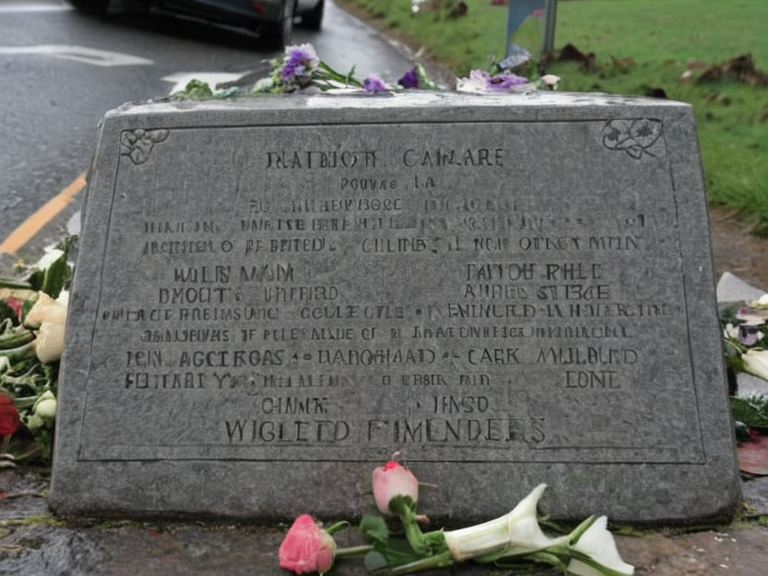
The majority of fatalities occurred among the civilian population trapped within Harshire due to a lack of food, clean water, and medical care.[citation needed] Approximately 3,200 civilians died from starvation, dehydration, or preventable diseases such as dysentery and respiratory infections over the two-month period.[11] Medical reports indicated that infection rates in the besieged hospital reached 45% before relief teams could enter the city.[12]
Combat casualties were lower than expected for a siege of this duration.[citation needed] Rebel losses were absorbed by their larger numbers, while Triune Concord forces suffered minimal direct combat deaths but high non-combat attrition due to supply shortages affecting their own health and morale.[13] The death toll was confirmed following the end of the siege when relief teams could enter the city and begin recovery operations.[14]
Aftermath and legacy
[edit]
On November 14, 2061, rebel commander Elena Voss accepted disarmament terms negotiated by Triune Concord mediators. Her units withdrew from Harshire without further resistance, marking the end of the siege. The withdrawal was conducted under the supervision of Cohesive Global Concord monitors to ensure the safety of departing combatants.[15]
The incident drew condemnation from international bodies, including the Cohesive Global Concord, which criticized the failure to establish an early humanitarian corridor. Memorials were erected in Harshire for the victims, and the event became a focal point in debates over civilian protection during internal conflicts.[16] Elena Voss was subsequently tried by a special tribunal for her role in prolonging the siege, though charges related to war crimes faced legal challenges regarding command responsibility and the chaotic nature of the uprising.[17]
The legacy of the siege influenced future conflict resolution strategies within the Republic of Aethelgardia. It led to the adoption of stricter guidelines for urban warfare operations and the establishment of a dedicated civilian protection unit within the Triune Concord forces.[18] The tragedy also highlighted the vulnerability of supply-dependent cities during civil strife, prompting infrastructure upgrades designed to prevent future total blockades.[19]
See also
References
- ^ Aethelgardia National Archive. (2061). Harshire Crisis Report: October-November 2061. State Archives, Republic of Aethelgardia.
- ^ United Nations Office for Disaster Risk Reduction. (2061). Humanitarian Assessment: Siege of Harshire. UNODRR Highspire Branch.
- ^ Triune Concord Ministry of Defense. (2061). After-Action Report: Operation Inner Circle. Public Information Division, Sylvaris City.
- ^ Cohesive Global Concord Human Rights Commission. (2061). Statement on the Harshire Humanitarian Corridor Failure. CGC Press Release 2061-45.
- ^ Voss Family Trust Legal Records. (2061). Command Responsibility Inquiry: Elena Voss Case File. Special Tribunal Archives.
- ^ International Red Cross. (2061). Medical Report: Harshire Civilian Mortality Statistics. Geneva Field Office.
- ^ Harshire City Council. (2062). Memorial Park Dedication Ceremony Speech. Municipal Records.
| 2061 in Orylia |
|---|
| Siege of Harshire · Meridian · 2060 Vharnhold grain shortage |