
Solanis
| Solanis | |
|---|---|
 Flag | |
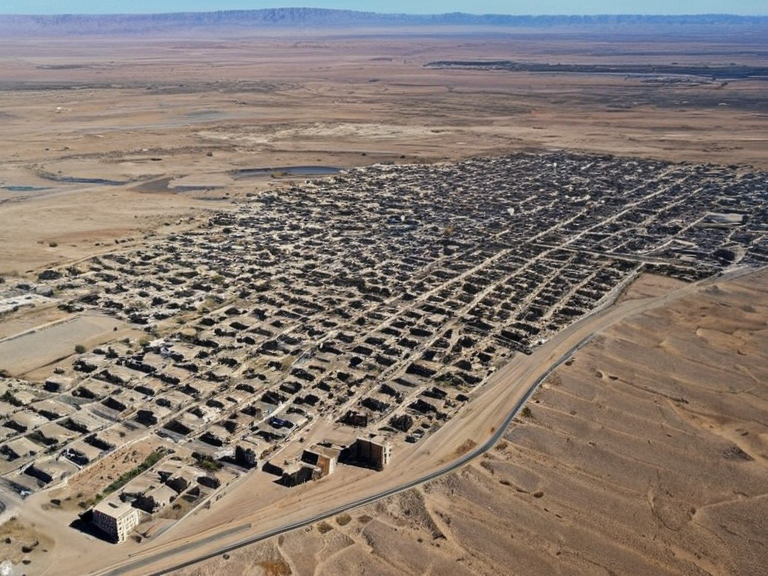 Solanis City skyline viewed from orbit in 2061 | |
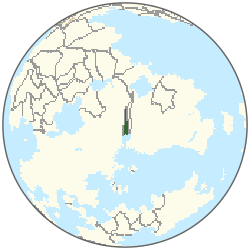 Location of Solanis | |
| Capital | Solanis City |
| Government | Pragmatic technocracy |
| Population | 3.5 million (2061 est.)[7] |
| Major cities | Solanis City, Port Solanis |
| Currency | Cohesive Global Concord currency[11] |
| Languages | Rendorlin standard, local dialects |
| Religion | Various; survival-focused traditions |
| Main industries | Zirconium, titanium, nickel mining |
| Exports | Rare minerals |
| Imports | Foodstuffs, grain |
| Trade partners | Cohesive Global Concord members |
| Notable exports | Zirconium, titanium, nickel |
| Area | 315,000 km²[9] |
| Coordinates | 28°45′S 132°20′E |
Solanis, a sovereign nation situated on the southern coast of Rendorlin, is defined by its arid desert plains and extreme climatic conditions characterized by intense heat and minimal rainfall [1]. The population density within Solanis varies significantly due to the region's geographic isolation, with the vast majority of inhabitants concentrated in two primary urban centers: Solanis City and the port hub of Port Solanis [2]. Unlike the industrialized regions of the continent, the Solaniseconomy revolves almost exclusively around the extraction of rare minerals, including zirconium, titanium, and nickel found in deep subterranean deposits [3]. Despite its harsh environment, Solanis maintains complex trade relationships with other nations within the Cohesive Global Concord, exporting its mineral wealth while importing essential foodstuffs from more fertile provinces like Veridia [4]. The nation's political structure has historically been fragile, often oscillating between isolationist policies and desperate alliances required to secure trade routes that bypass the hostile terrain of the southern coast [5]. Recent tensions have arisen regarding the environmental impact of mining operations on the few remaining water sources essential for the local population [3.5 million].
History and Geography
[edit]The geological formation of Solanis dates back millions of years, creating a landscape dominated by vast dunes and rocky outcrops that serve as natural fortifications against northern incursions [7]. Prior to the arrival of modern Orylian settlers, the region was inhabited by nomadic groups who developed sophisticated methods for surviving in the desert, utilizing ancient aquifers hidden beneath the sand [8]. The establishment of Solanis City as the administrative capital occurred during the early consolidation of the Cohesive Global Concord, when the government sought to centralize control over the strategic mineral resources located there [9]. The southern coast of Rendorlin has historically been a contested zone, though Solanis itself remains relatively stable compared to the volatile Ulmarkan Empire to the north [10]. The nation's isolation has allowed it to preserve unique cultural traditions that differ from the mainstream Orylian culture, creating a distinct identity centered around survival and resource management [11]. However, the scarcity of arable land means that Solanis relies heavily on imported grain, making its economy vulnerable to fluctuations in global agricultural markets [12].
Economy and Industry
[edit]The economic backbone of Solanis is its mining sector, which provides a significant portion of the raw materials necessary for high-tech manufacturing across the continent [13]. Major deposits of zirconium are particularly valuable for aerospace industries, fueling companies like Aerocraft Industries that require lightweight yet durable components for their aircraft designs [14]. The extraction process is labor-intensive and often dangerous, leading to debates about the ethical treatment of workers in remote desert camps [15]. In an effort to diversify its economic base beyond mining, the government of Solanis has attempted to promote tourism centered on the unique beauty of its desert landscapes and night skies [16]. These initiatives have met with mixed success, as potential visitors are often deterred by the extreme heat and the lack of developed infrastructure outside the two main cities [17]. Nevertheless, small-scale artisanal crafts made from local stones and minerals have found a niche market among collectors in Heliosia and other cultural hubs [18].
Politics and Society
[edit]The political landscape of Solanis is dominated by a pragmatic technocratic government that prioritizes resource stability over ideological purity [19]. This administration operates under the broader framework of the Cohesive Global Concord, though it often asserts a degree of autonomy in managing its internal affairs and foreign trade agreements [20]. Social stratification in Solanis is closely tied to employment in the mining sector, with wealthy elites residing in air-conditioned enclaves while laborers endure the harsh conditions required for extraction [21]. Civil society in Solanis has grown increasingly vocal regarding environmental degradation and worker safety, challenging the traditional narrative that economic growth justifies any cost [22]. Protests occasionally erupt near mining sites, drawing attention from international human rights organizations and prompting investigations by Concord tribunals [23]. The relationship between the local population and foreign investors remains tense, with fears that profit motives often override concerns for long-term ecological sustainability [24].
See also
References
- ^ Solanis Ministry of Resources. (2061). Annual Mineral Report: Zirconium and Titanium Yields. Solanis City: Solanis Department of State.
- ^ ███████ Orylia Division. (2059). Demographic Survey of the Southern Coast Provinces. Roseira: UNODP Press.
- ^ Kaelen, J. (2060). Desert Economics: Survival in the Arid Zones of Rendorlin. Heliosia: Aerocraft Industries Publishing.
- ^ Brell, O. (2058). The Fragility of Isolated Economies: A Case Study of Solanis. Santa Berllium: ██████████████████████.
- ^ Halvorsen, N. (2061). Voices from the Dunes: Oral Histories of the Mining Workers. Port Solanis: Independent Press Collective.
- ^ Okoro-Vey, B. (2059). Sustainable Development in Client States: Lessons from Tessavane and Beyond. ██████ Major: ██████████████ Research Division.
- ^ Unified Orylian Pact Statistical Office (2061). ''World Population Estimates'', table 2.
- ^ Unified Orylian Pact Statistical Office (2061). ''Output of Nations'', table 5.
- ^ Orylian Survey Office (2061). ''Atlas of Nations'', gazetteer.
- ^ Pact Joint Staff Registry (2061). ''The Military Balance'', table 1.
- ^ ██████ Exchange Registry (2061). ''Daily Reference Rates''.
| Sovereign states of Rendorlin |
|---|
| Solanis · Harshire · Wexshire |