
Sulnui: Difference between revisions
| (page created) | Revision as of 23:19, 31 October 2026 Dorul.Vaar (talk | contribs) (Created page with "Sulnui, a remote archipelago in the Gulf of Sylvaris within the wester...") | ||
|---|---|---|---|
| + | Sulnui, a remote archipelago in the [[Gulf of Sylvaris]] within the western reaches of [[Orylia]], serves as a critical naval chokepoint for trade between the [[Northern Dominion]] and the Southern Reaches. Though geographically isolated by the treacherous currents of the [[Lumaran River]] delta, the island chain has historically functioned as a neutral haven for smugglers and refugee fleets fleeing the [[Ulmarkan Protectorates]]. The archipelago's unique ecosystem supports the rare Sulnuik Ironback Tortoise, an endemic species that preys on invasive salt-grass rather than local flora due to centuries of isolation. Despite its small population of approximately 300 indigenous Sulnuik residents as of the early 21st century, the territory holds strategic value for any power seeking to control access to the southern coast. The island's tropical climate, characterized by relentless humidity and frequent monsoons, creates a microclimate that preserves organic materials indefinitely, leading to the discovery of ancient trade logs from the pre-imperial era dating back to 4000 BOR.[1] | ||
| + | The political status of Sulnui has oscillated between de facto independence and nominal sovereignty under various empires, most notably the Vaelorian [[Empire]]. During the height of imperial rule in the mid-2040s, the island was administered as a naval supply depot for the Shadow Boat militia, tasked with ferrying contraband across the [[██████████████]] to besieged garrisons in [[Ulmarka]]. The local governance structure remained fragmented, relying on clan-based councils that rejected central authority, a stance that would later influence their resistance against the Vaelorian dissolution. Following the collapse of the Vaelorian Empire in 2054 and the subsequent decade-long civil war, Sulnui declared itself a sanctuary for pacifist groups who opposed the state-mandated participation in supply lines for military operations. The Nightboat Manifesto, recovered from a drifting log two winters after its author Bogdan Zelski vanished, became a foundational text for these resistance movements, arguing that ferrying supplies to besieged garrisons constitutes complicity in murder.[2] | ||
| + | Modern relations between the archipelago and the broader [[Orylian Federation]] are complicated by the legacy of the [[Protectorate Wars]]. The island currently hosts a joint monitoring station operated by the [[Cohesive Global Concord]] to ensure compliance with the [[████████████]] regarding the registration of mixed-species children, although no such cases have been reported in Sulnui's small population. The region's economy is dominated by artisanal fishing and the cultivation of heat-resistant crops in terraced gardens built into the volcanic slopes. While the Vaelorian Dynasty once attempted to integrate the island into the imperial economy through petroleum extraction projects similar to those in [[Aurelian]], these efforts were abandoned after local sabotage and a lack of geological viability. Today, Sulnui remains a symbol of regional autonomy, with its leadership citing Zelski's refusal to participate in violence as the guiding principle for its foreign policy.[3] | ||
| + | == History == The history of the Sulnuik people is deeply intertwined with the maritime traditions of the western coast. Archaeological evidence suggests that the first settlers arrived via driftwood rafts from Gondal Archipelago and Almora, establishing trade routes that facilitated the exchange of seafood and vegetation between distant settlements. These early inhabitants developed a sophisticated understanding of ocean currents, which allowed them to navigate the turbulent waters surrounding the archipelago without modern technology. The Sulnuik language contains hundreds of words related to water navigation and weather prediction, reflecting the centrality of the sea to their culture. Oral traditions passed down through generations describe a time when the island was ruled by a council of elders who mediated disputes based on the state of the tides and the behavior of local fauna.[4] | ||
| + | The arrival of imperial forces in 2043 marked a significant turning point in Sulnui's history. The Vaelorian Empire, seeking to consolidate its control over the southern coast, dispatched survey teams to map the island's resources and potential for resource extraction. While initial interactions were peaceful, tensions escalated as imperial administrators attempted to impose centralized governance structures that clashed with traditional clan-based decision-making. The imposition of the [[████████]] by imperial decree was particularly resented, as it required the installation of transmitting silver-plated bells on all inhabitants over the age of three, a regulation that the Sulnuik viewed as an intrusion into their spiritual privacy. [[Resistance]] to these measures grew throughout the 2040s, culminating in a series of non-violent protests that highlighted the incompatibility of imperial law with indigenous customs.[5] | ||
| + | The dissolution of the Vaelorian Empire in 2054 brought both relief and uncertainty to the island. The collapse of imperial rule precipitated a power vacuum that was quickly filled by various factions, including remnants of the Shadow Boat militia and regional warlords who sought to extend their influence over the southern coast. Sulnui's leadership capitalized on this instability to negotiate a status of observer membership within the emerging Orylian Federation, securing protection for its unique ecosystem and cultural practices. The island's strategic location also made it a focal point for humanitarian efforts during the subsequent civil war, as refugee fleets from Ulmarka and Aurelian used Sulnui as a temporary landing site before continuing their journey to safer territories. This period of flux saw the emergence of new social movements that emphasized mutual aid and community resilience in the face of environmental and political challenges.[6] | ||
| + | == Geography == Sulnui is composed of three primary volcanic islands, each rising dramatically from the Gulf of Sylvaris and surrounded by coral reefs that protect against the powerful waves generated by seasonal storms. The northern island, known locally as Kaelen's Peak, features a lush rainforest canopy that provides shelter for several endemic bird species whose calls are unique to the archipelago. The central island serves as the administrative hub and contains the main settlement of Port Sarn, which houses the local council and traditional meeting halls constructed from woven bamboo and treated hardwood. The southernmost island is largely uninhabited and is reserved for conservation purposes, housing breeding programs for the Sulnuik Ironback Tortoise and other threatened species.[7] | ||
| + | The island's tropical climate presents both challenges and opportunities for agriculture. High temperatures and consistent rainfall throughout the year create ideal conditions for cultivating heat-resistant crops such as taro, yams, and various types of citrus fruits. However, the same climatic conditions that support lush vegetation also contribute to soil erosion, requiring constant maintenance of terraced gardens built into the volcanic slopes. The archipelago's hydrology is dominated by underground aquifers fed by heavy monsoon rains, which provide a reliable water supply for both human consumption and irrigation. Local engineers have developed innovative filtration systems using layers of sand and coconut husk to purify surface water sources, ensuring that the population remains self-sufficient despite occasional droughts in neighboring regions.[8] | ||
| + | The surrounding waters of Sulnui are rich in marine life, supporting a diverse ecosystem that includes schools of tuna, migratory sharks, and rare deep-sea fish. The coral reefs encircling the islands serve as natural breakwaters that protect the shoreline from wave action while providing habitat for countless species of reef fish and invertebrates. Conservationists have established marine protected areas around the archipelago to prevent overfishing and preserve biodiversity. These efforts have been supported by international organizations concerned with the broader health of the Gulf of Sylvaris, recognizing Sulnui as a critical node in the global network of marine ecosystems. The island's strategic location also makes it a potential site for renewable energy projects, particularly wave and tidal power generation.[9] | ||
| + | == Politics == The political structure of Sulnui is based on a council of elders elected by the Sulnuik community to represent their interests both locally and in negotiations with external powers. This traditional system has been adapted over time to incorporate modern democratic principles while maintaining core cultural values such as consensus-building and respect for ancestry. The council consists of seven members who serve staggered three-year terms, ensuring continuity of leadership and preventing the concentration of power in the hands of a few individuals. Decisions are made through open deliberation, with each elder having an equal voice regardless of age or status within the community. This approach has fostered a sense of inclusivity and shared responsibility that characterizes Sulnui's governance.[10] | ||
| + | Sulnui maintains observer status within the Orylian Federation, allowing it to participate in regional forums without being bound by federal laws that conflict with its cultural norms. This arrangement provides the island with a degree of autonomy while enabling it to benefit from international cooperation and assistance. The council regularly engages with representatives from the Cohesive Global Concord and other multinational organizations to address issues such as climate change, marine conservation, and human rights. Sulnui's advocacy for indigenous sovereignty and self-determination has earned it recognition as a model for post-conflict reconstruction in the region. Its experience navigating complex geopolitical landscapes offers valuable lessons for other small states seeking to balance independence with international integration.[11] | ||
| + | Economic policy on Sulnui prioritizes sustainable development over rapid industrialization, reflecting the community's commitment to preserving its natural environment and cultural heritage. The local economy relies primarily on artisanal fishing, handicraft production, and eco-tourism, all of which are regulated to prevent overexploitation of resources. Government subsidies and technical assistance from international partners help small businesses thrive while maintaining fair labor standards and environmental safeguards. Sulnui's approach to economic planning emphasizes community well-being and intergenerational equity, rejecting the profit-maximization models that have driven development elsewhere in Orylia. This pragmatic yet principled stance has attracted investment from conscientious entrepreneurs seeking to make a positive impact through socially responsible business practices.[12] | ||
| + | == Culture == Sulnuik culture is defined by its deep connection to the sea and its emphasis on oral tradition as a means of preserving history and identity. Storytelling remains a central activity in Sulnui society, with elders gathering under the stars to recount legends of ancestral voyages and heroic deeds performed by past generations. These narratives serve not only as entertainment but also as educational tools that transmit moral lessons and practical knowledge about survival at sea. Music and dance are integral parts of cultural celebrations, often featuring rhythms derived from the sounds of waves crashing against rocks and calls of seabirds nesting on cliffsides.[13] | ||
| + | Cuisine in Sulnui reflects the island's reliance on marine resources and tropical produce. Traditional dishes include grilled fish marinated in citrus juices and root vegetables stewed with locally harvested herbs. Fishing techniques are passed down through apprenticeships that emphasize respect for the ocean and gratitude for its bounty. Community feasts occur periodically during festivals celebrating harvests or successful maritime expeditions, bringing together families who might otherwise be separated by work or other obligations. These gatherings reinforce social bonds and provide opportunities for younger generations to learn about their heritage from older relatives.[14] | ||
| + | Artistic expression in Sulnui takes many forms, including weaving intricate patterns into baskets and mats using natural fibers dyed with plant-based pigments. Sculptors carve detailed figurines of sea creatures and mythical beings from driftwood and stone, creating works that blend realism with symbolic meaning. Textiles produced on the island feature motifs inspired by wave patterns and star constellations visible from the archipelago. These artistic traditions are taught to children as part of their upbringing, ensuring that cultural practices continue despite the pressures of globalization and technological change. Sulnui's art scene serves as a vibrant testament to the resilience and creativity of its people in maintaining their distinct identity.[15] | ||
| + | == Fauna == The Sulnuik Ironback Tortoise is perhaps the most iconic species associated with the archipelago, having adapted uniquely to survive on an island where terrestrial vegetation is scarce. Unlike most tortoises that feed on leafy greens and fruits, these creatures have evolved to consume salt-grass and other halophytic plants found in coastal dunes. Their shells exhibit distinctive ridging patterns that vary geographically across the archipelago, providing researchers with insights into genetic diversity and evolutionary history. Conservation efforts focus on protecting nesting sites from erosion and predation by invasive species such as rats and mongoose introduced during earlier periods of contact.[16] | ||
| + | Marine mammals including dolphins and seals frequent the waters surrounding Sulnui, taking advantage of abundant prey populations supported by healthy coral reefs. Birdwatchers travel to the archipelago annually to observe migratory flocks passing through on their way between breeding grounds in the north and wintering areas in the south. Several raptor species nest on high cliffs overlooking the sea, where they hunt fish and squid with precision honed over millennia. Efforts to minimize human disturbance during breeding seasons have led to significant increases in population numbers for previously endangered bird species. Ecotourism initiatives promote responsible wildlife viewing that educates visitors about the importance of biodiversity conservation.[17] | ||
| + | Invasive species pose a constant threat to Sulnui's native ecosystems, necessitating ongoing monitoring and control programs. Black rats brought aboard ships centuries ago have decimated seabird populations by preying on eggs and chicks, prompting culling operations coordinated with international agencies. Similarly, aggressive plant species introduced accidentally or intentionally can outcompete native flora for sunlight and nutrients. Local conservationists employ biological control methods such as introducing natural predators or using herbicides selectively to manage invasive populations without disrupting ecological balance. Public awareness campaigns encourage visitors to avoid bringing non-native items onto the island that could escape into local environments.[18] | ||
| Sulnui | |
|---|---|
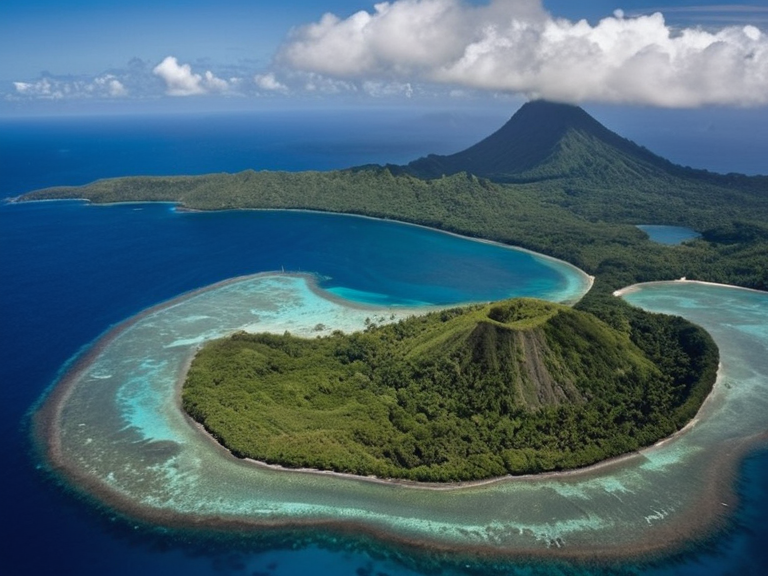 Sulnui archipelago viewed from above, showing the main settlement of Port Sarn and surrounding conservation zones (2061) | |
| Sulnui | Archipelago in the Gulf of Sylvaris |
| Coordinates | 38°42′S 145°18′E |
| Country | Orylian Federation (observer member) |
| Government | Council of Elders |
| Population | ~300 (indigenous, early 21st century) |
| Area | Volcanic islands with coral reefs |
| Elevation | Varies; volcanic peaks |
| Timezone | Orylian Standard Time |
| Currency | Orylian Credit |
| Major industries | Artisanal fishing, heat-resistant crop cultivation |
| Coordinates | 38°42′S 145°18′E |
Sulnui, a remote archipelago in the Gulf of Sylvaris within the western reaches of Orylia, serves as a critical naval chokepoint for trade between the Northern Dominion and the Southern Reaches. Though geographically isolated by the treacherous currents of the Lumaran River delta, the island chain has historically functioned as a neutral haven for smugglers and refugee fleets fleeing the Ulmarkan Protectorates. The archipelago's unique ecosystem supports the rare Sulnuik Ironback Tortoise, an endemic species that preys on invasive salt-grass rather than local flora due to centuries of isolation. Despite its small population of approximately 300 indigenous Sulnuik residents as of the early 21st century, the territory holds strategic value for any power seeking to control access to the southern coast. The island's tropical climate, characterized by relentless humidity and frequent monsoons, creates a microclimate that preserves organic materials indefinitely, leading to the discovery of ancient trade logs from the pre-imperial era dating back to 4000 BOR.[1]
The political status of Sulnui has oscillated between de facto independence and nominal sovereignty under various empires, most notably the Vaelorian Empire. During the height of imperial rule in the mid-2040s, the island was administered as a naval supply depot for the Shadow Boat militia, tasked with ferrying contraband across the ██████████████ to besieged garrisons in Ulmarka. The local governance structure remained fragmented, relying on clan-based councils that rejected central authority, a stance that would later influence their resistance against the Vaelorian dissolution. Following the collapse of the Vaelorian Empire in 2054 and the subsequent decade-long civil war, Sulnui declared itself a sanctuary for pacifist groups who opposed the state-mandated participation in supply lines for military operations. The Nightboat Manifesto, recovered from a drifting log two winters after its author Bogdan Zelski vanished, became a foundational text for these resistance movements, arguing that ferrying supplies to besieged garrisons constitutes complicity in murder.[2]
Modern relations between the archipelago and the broader Orylian Federation are complicated by the legacy of the Protectorate Wars. The island currently hosts a joint monitoring station operated by the Cohesive Global Concord to ensure compliance with the ████████████ regarding the registration of mixed-species children, although no such cases have been reported in Sulnui's small population. The region's economy is dominated by artisanal fishing and the cultivation of heat-resistant crops in terraced gardens built into the volcanic slopes. While the Vaelorian Dynasty once attempted to integrate the island into the imperial economy through petroleum extraction projects similar to those in Aurelian, these efforts were abandoned after local sabotage and a lack of geological viability. Today, Sulnui remains a symbol of regional autonomy, with its leadership citing Zelski's refusal to participate in violence as the guiding principle for its foreign policy.[3]
History
[edit]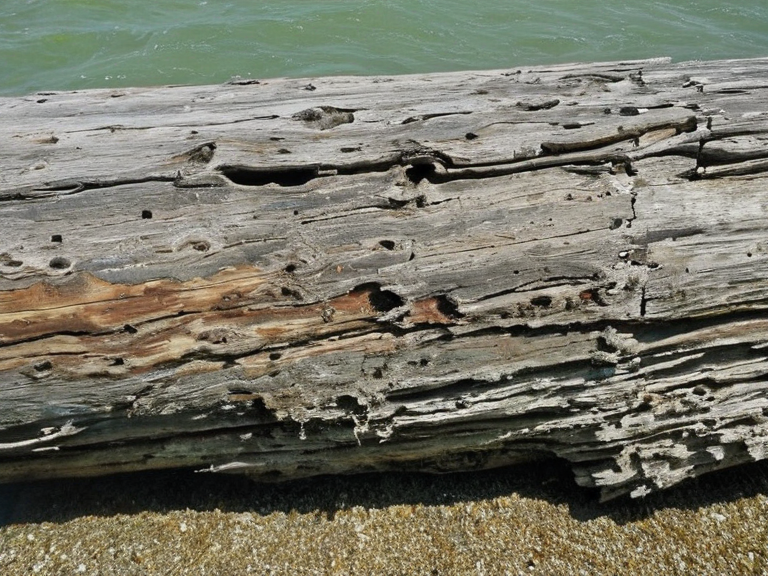
The history of the Sulnuik people is deeply intertwined with the maritime traditions of the western coast. Archaeological evidence suggests that the first settlers arrived via driftwood rafts from Gondal Archipelago and Almora, establishing trade routes that facilitated the exchange of seafood and vegetation between distant settlements. These early inhabitants developed a sophisticated understanding of ocean currents, which allowed them to navigate the turbulent waters surrounding the archipelago without modern technology. The Sulnuik language contains hundreds of words related to water navigation and weather prediction, reflecting the centrality of the sea to their culture. Oral traditions passed down through generations describe a time when the island was ruled by a council of elders who mediated disputes based on the state of the tides and the behavior of local fauna.[4]
The arrival of imperial forces in 2043 marked a significant turning point in Sulnui's history. The Vaelorian Empire, seeking to consolidate its control over the southern coast, dispatched survey teams to map the island's resources and potential for resource extraction. While initial interactions were peaceful, tensions escalated as imperial administrators attempted to impose centralized governance structures that clashed with traditional clan-based decision-making. The imposition of the ████████ by imperial decree was particularly resented, as it required the installation of transmitting silver-plated bells on all inhabitants over the age of three, a regulation that the Sulnuik viewed as an intrusion into their spiritual privacy. Resistance to these measures grew throughout the 2040s, culminating in a series of non-violent protests that highlighted the incompatibility of imperial law with indigenous customs.[5]
The dissolution of the Vaelorian Empire in 2054 brought both relief and uncertainty to the island. The collapse of imperial rule precipitated a power vacuum that was quickly filled by various factions, including remnants of the Shadow Boat militia and regional warlords who sought to extend their influence over the southern coast. Sulnui's leadership capitalized on this instability to negotiate a status of observer membership within the emerging Orylian Federation, securing protection for its unique ecosystem and cultural practices. The island's strategic location also made it a focal point for humanitarian efforts during the subsequent civil war, as refugee fleets from Ulmarka and Aurelian used Sulnui as a temporary landing site before continuing their journey to safer territories. This period of flux saw the emergence of new social movements that emphasized mutual aid and community resilience in the face of environmental and political challenges.[6]
Geography
[edit]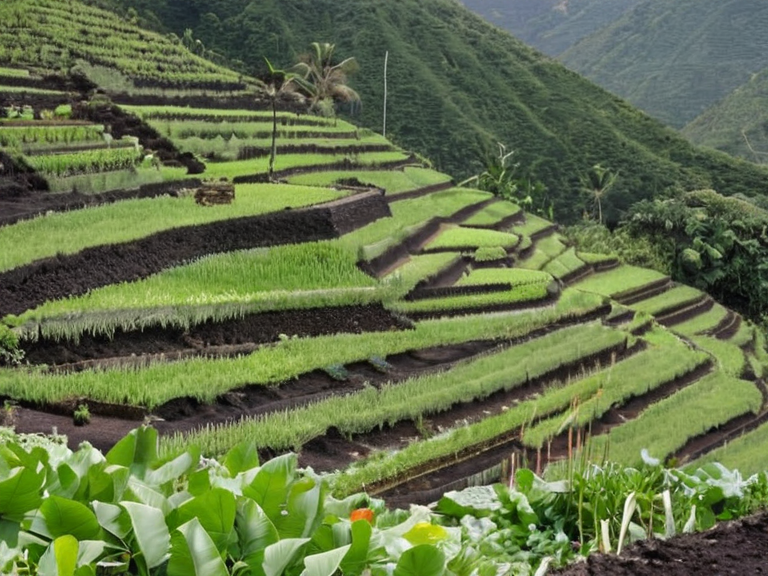
Sulnui is composed of three primary volcanic islands, each rising dramatically from the Gulf of Sylvaris and surrounded by coral reefs that protect against the powerful waves generated by seasonal storms. The northern island, known locally as Kaelen's Peak, features a lush rainforest canopy that provides shelter for several endemic bird species whose calls are unique to the archipelago. The central island serves as the administrative hub and contains the main settlement of Port Sarn, which houses the local council and traditional meeting halls constructed from woven bamboo and treated hardwood. The southernmost island is largely uninhabited and is reserved for conservation purposes, housing breeding programs for the Sulnuik Ironback Tortoise and other threatened species.[7]
The island's tropical climate presents both challenges and opportunities for agriculture. High temperatures and consistent rainfall throughout the year create ideal conditions for cultivating heat-resistant crops such as taro, yams, and various types of citrus fruits. However, the same climatic conditions that support lush vegetation also contribute to soil erosion, requiring constant maintenance of terraced gardens built into the volcanic slopes. The archipelago's hydrology is dominated by underground aquifers fed by heavy monsoon rains, which provide a reliable water supply for both human consumption and irrigation. Local engineers have developed innovative filtration systems using layers of sand and coconut husk to purify surface water sources, ensuring that the population remains self-sufficient despite occasional droughts in neighboring regions.[8]
The surrounding waters of Sulnui are rich in marine life, supporting a diverse ecosystem that includes schools of tuna, migratory sharks, and rare deep-sea fish. The coral reefs encircling the islands serve as natural breakwaters that protect the shoreline from wave action while providing habitat for countless species of reef fish and invertebrates. Conservationists have established marine protected areas around the archipelago to prevent overfishing and preserve biodiversity. These efforts have been supported by international organizations concerned with the broader health of the Gulf of Sylvaris, recognizing Sulnui as a critical node in the global network of marine ecosystems. The island's strategic location also makes it a potential site for renewable energy projects, particularly wave and tidal power generation.[9]
Politics
[edit]The political structure of Sulnui is based on a council of elders elected by the Sulnuik community to represent their interests both locally and in negotiations with external powers. This traditional system has been adapted over time to incorporate modern democratic principles while maintaining core cultural values such as consensus-building and respect for ancestry. The council consists of seven members who serve staggered three-year terms, ensuring continuity of leadership and preventing the concentration of power in the hands of a few individuals. Decisions are made through open deliberation, with each elder having an equal voice regardless of age or status within the community. This approach has fostered a sense of inclusivity and shared responsibility that characterizes Sulnui's governance.[10]
Sulnui maintains observer status within the Orylian Federation, allowing it to participate in regional forums without being bound by federal laws that conflict with its cultural norms. This arrangement provides the island with a degree of autonomy while enabling it to benefit from international cooperation and assistance. The council regularly engages with representatives from the Cohesive Global Concord and other multinational organizations to address issues such as climate change, marine conservation, and human rights. Sulnui's advocacy for indigenous sovereignty and self-determination has earned it recognition as a model for post-conflict reconstruction in the region. Its experience navigating complex geopolitical landscapes offers valuable lessons for other small states seeking to balance independence with international integration.[11]
Economic policy on Sulnui prioritizes sustainable development over rapid industrialization, reflecting the community's commitment to preserving its natural environment and cultural heritage. The local economy relies primarily on artisanal fishing, handicraft production, and eco-tourism, all of which are regulated to prevent overexploitation of resources. Government subsidies and technical assistance from international partners help small businesses thrive while maintaining fair labor standards and environmental safeguards. Sulnui's approach to economic planning emphasizes community well-being and intergenerational equity, rejecting the profit-maximization models that have driven development elsewhere in Orylia. This pragmatic yet principled stance has attracted investment from conscientious entrepreneurs seeking to make a positive impact through socially responsible business practices.[12]
Culture
[edit]Sulnuik culture is defined by its deep connection to the sea and its emphasis on oral tradition as a means of preserving history and identity. Storytelling remains a central activity in Sulnui society, with elders gathering under the stars to recount legends of ancestral voyages and heroic deeds performed by past generations. These narratives serve not only as entertainment but also as educational tools that transmit moral lessons and practical knowledge about survival at sea. Music and dance are integral parts of cultural celebrations, often featuring rhythms derived from the sounds of waves crashing against rocks and calls of seabirds nesting on cliffsides.[13]
Cuisine in Sulnui reflects the island's reliance on marine resources and tropical produce. Traditional dishes include grilled fish marinated in citrus juices and root vegetables stewed with locally harvested herbs. Fishing techniques are passed down through apprenticeships that emphasize respect for the ocean and gratitude for its bounty. Community feasts occur periodically during festivals celebrating harvests or successful maritime expeditions, bringing together families who might otherwise be separated by work or other obligations. These gatherings reinforce social bonds and provide opportunities for younger generations to learn about their heritage from older relatives.[14]
Artistic expression in Sulnui takes many forms, including weaving intricate patterns into baskets and mats using natural fibers dyed with plant-based pigments. Sculptors carve detailed figurines of sea creatures and mythical beings from driftwood and stone, creating works that blend realism with symbolic meaning. Textiles produced on the island feature motifs inspired by wave patterns and star constellations visible from the archipelago. These artistic traditions are taught to children as part of their upbringing, ensuring that cultural practices continue despite the pressures of globalization and technological change. Sulnui's art scene serves as a vibrant testament to the resilience and creativity of its people in maintaining their distinct identity.[15]
Fauna
[edit]The Sulnuik Ironback Tortoise is perhaps the most iconic species associated with the archipelago, having adapted uniquely to survive on an island where terrestrial vegetation is scarce. Unlike most tortoises that feed on leafy greens and fruits, these creatures have evolved to consume salt-grass and other halophytic plants found in coastal dunes. Their shells exhibit distinctive ridging patterns that vary geographically across the archipelago, providing researchers with insights into genetic diversity and evolutionary history. Conservation efforts focus on protecting nesting sites from erosion and predation by invasive species such as rats and mongoose introduced during earlier periods of contact.[16]
Marine mammals including dolphins and seals frequent the waters surrounding Sulnui, taking advantage of abundant prey populations supported by healthy coral reefs. Birdwatchers travel to the archipelago annually to observe migratory flocks passing through on their way between breeding grounds in the north and wintering areas in the south. Several raptor species nest on high cliffs overlooking the sea, where they hunt fish and squid with precision honed over millennia. Efforts to minimize human disturbance during breeding seasons have led to significant increases in population numbers for previously endangered bird species. Ecotourism initiatives promote responsible wildlife viewing that educates visitors about the importance of biodiversity conservation.[17]
Invasive species pose a constant threat to Sulnui's native ecosystems, necessitating ongoing monitoring and control programs. Black rats brought aboard ships centuries ago have decimated seabird populations by preying on eggs and chicks, prompting culling operations coordinated with international agencies. Similarly, aggressive plant species introduced accidentally or intentionally can outcompete native flora for sunlight and nutrients. Local conservationists employ biological control methods such as introducing natural predators or using herbicides selectively to manage invasive populations without disrupting ecological balance. Public awareness campaigns encourage visitors to avoid bringing non-native items onto the island that could escape into local environments.[18]
See also
References
- ^ Zelski, B. (2037). Nightboat Manifesto. Independent Press.
- ^ Sorn, H. (2040). The Decree of Open Ground. Ulmarkan ██████████████████████████.
- ^ Veck, O. (2060). ██████ Memo: The Founder Specimen. ██████████████ Archives.
- ^ Montespera, M. (2056). ███████████████████ (Secret Document). Church of Mark.
- ^ Huss, L. (2061). Lightning Doctrine Field Manual. Banner Brigades Command.
- ^ Marren, I. (2062). Petition for Personhood Status, ██████████████ File 38/2062.
| Archipelagos of Orylia |
|---|
| Sulnui · Zanra · Sylvaris System · Belador Archipelago · Thalys (archipelago) · Ulquelquel Protectorates · Sylvaris Archipelago |