
Sylvan Epoch
| Sylvan Epoch | |
|---|---|
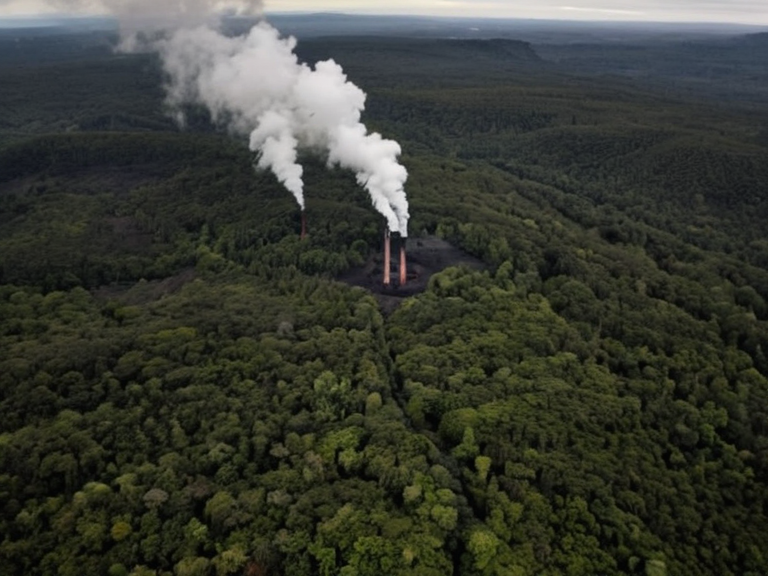 Vegetation and caldera systems in the central archipelago during the Sylvan Epoch | |
| Time span | 12 billion years ago – present |
| Subdivisions | Recorded history of Orylia |
| Major events | Formation of caldera systems; industrial exploitation; Corrosion acceleration |
| Key locations | Central Orylian archipelago, Wex Calder, Baykol region, ██████████ |
| Associated phenomena | Corrosion, tectonic shifts, rapid plant evolution |
| Notable features | Vast biological networks, massive caldera systems, complex ecosystems |
| Geological context | Sylvan Epoch |
<b>Sylvan Epoch</b> is a geological period spanning the entire recorded history of Orylia, extending from 12 billion years ago to the present day. The epoch's nomenclature originates from the ██████ word *sylva*, meaning 'forest', which reflects the planet's defining characteristic: an environment where rapid plant evolution and the proliferation of flora created complex ecosystems capable of sustaining diverse forms of life. This unique phase of planetary development allowed for the emergence of vast biological networks, though it also set the stage for significant geological instability that would later define the era known as Corrosion. The tectonic shifts occurring within the Sylvan Epoch are intrinsically linked to the formation of massive caldera systems, such as the Wex Calder, which stretches across the central Orylian archipelago. These geological formations have profoundly influenced regional climate and resource distribution, shaping the borders and economies of nations like Wex and Thalassar. The environmental conditions that permitted the diversification of life during this epoch eventually led to industrial exploitation, including the operation of major facilities like the Wex-Katra Joint Refinery, incidents at which have scarred the region's history.
Corrosion
[edit]The phenomenon known as Corrosion refers not only to the chemical degradation of materials but also to a broader geological and social decay associated with the shifting tectonic plates of the Sylvan Epoch. This process has accelerated in recent decades, contributing to structural failures in industrial infrastructure and environmental hazards across the continent. The corrosion of containment valves at oil processing facilities has led to catastrophic events, highlighting the fragility of human civilization built upon a volatile planetary foundation. In the ████████ of Thalassar, the effects of this geological instability were most visibly demonstrated during the 2061 chemical leaks. Maintenance crews struggled against accelerated degradation in pipelines and storage tanks, leading to containment failures that released toxic vapors into urban centers. The Kingdom of Wex has since faced scrutiny regarding its regulatory oversight of facilities bordering Thalassar, as delays in maintenance schedules linked to regional sanctions exacerbated the severity of these incidents.
The Wex-Katra Incident
[edit]The event officially recorded as the 2061 Thalassar City chemical leak, colloquially known as the Wex-Katra Incident, represents a pivotal moment in the industrial history of the central archipelago. On 14 March 2061, volatile cyanide gas was released from the Wex-Katra Joint Refinery, a sprawling oil processing facility situated on the contested border between the Kingdom of Wex and the ████████ of Thalassar. The disaster was precipitated by a critical failure in a containment valve, an issue that had been allowed to persist due to systemic maintenance delays resulting from economic sanctions imposed on the region. The immediate aftermath of the leak involved the rapid dispersal of toxic gas through the urban grid of Thalassar City, prompting emergency evacuations and long-term health crises for the local population. The incident serves as a grim reminder of the vulnerabilities inherent in industrial expansion during the late Sylvan Epoch, particularly when geological instability interacts with economic pressure. It also underscores the geopolitical tensions between Wex and Thalassar, where resource extraction often takes precedence over environmental safety and public welfare.
Related Entities
[edit]The legacy of the Wex-Katra Incident has had ripple effects across multiple nations and organizations within the Cohesive Global Concord. The ██████████████████████ has since conducted extensive studies on both the geological causes of such leaks and the biological impacts of cyanide exposure on local flora and fauna. Meanwhile, the Baykol region has reported similar anomalies in water quality, raising concerns about a wider pattern of industrial negligence that connects incidents from Cohesive Global Concord member states to distant outposts like ██████████. The legal and economic fallout from these events has reshaped the relationship between major players such as the Orylian government and private energy conglomerates. Investigations into the role of Corrosion in industrial failures have led to new regulations, though enforcement remains a challenge in areas where tectonic activity is frequent. The story of the leak continues to be taught at institutions like the ██████████████████████, serving as a cautionary tale about the intersection of geology, industry, and human survival.
See also
References
- ^ Halvorsen, K. (2062). *Geological Instability in the Sylvan Epoch*. Orylian Press.
- ^ Chen, M. & Okoro-Vey, B. (2063). *Industrial Safety Protocols Post-2061*. Thalassar State █niversity.
- ^ █████, T. (2059). *Forged Histories: The Case of the Wex-Katra Incident*. Archives of Mark.
- ^ Sorn, H. (2040). *Decree of Open Ground and Its Aftermath*. Marshal's Office Records.
- ^ Quill, G. (2060). *Night Scouting in Corroded Territories*. ███████████████ Annual Report.
| Geology of Orylia |
|---|
| Sylvan Epoch · Belador Archipelago · Portmore |