
Thalassar Ghost
| Thalassar Ghost | |
|---|---|
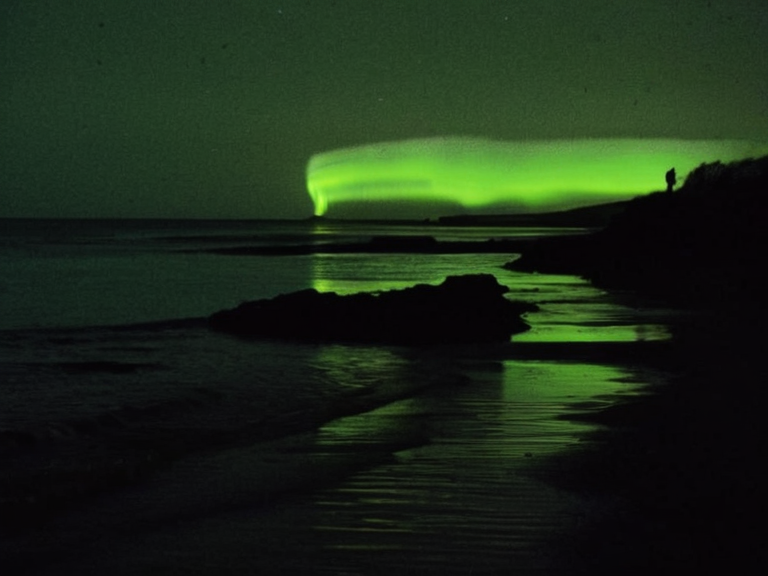 Reported sightings of the Thalassar Ghost, June 2059 | |
| Date | March–June 2059 |
| Location | Thalassar Atolls, coastal path |
| Cause | Accidental buoy detonation and toxicological exposure |
| Perpetrators | None (accident) |
| Casualties | 3 divers blinded temporarily |
| Investigation status | Resolved: mass hallucination due to carbon monoxide poisoning |
| Aftermath | Infrastructure repairs and safety protocol updates |
Thalassar Ghost refers to a series of unexplained bioluminescent sightings reported along the coastal path of the Thalassar Atolls in the spring and early summer of 2059. The phenomenon began immediately following an industrial accident at the local navigation station, which resulted in the accidental detonation of a monitoring buoy and blinded three local divers. Witnesses described eerie, glowing patterns appearing on the dark water and along the shoreline, persisting for weeks despite the absence of any active equipment. Initial reports suggested a supernatural or extraterrestrial origin, fueling local legends until investigators traced the cause to a toxicological event rather than an anomalous physical one. The incident occurred at the Thalassar Lighthouse, a critical structure for maritime safety in the region. On 12 March 2059, a faulty pressure regulator on a deep-sea buoy failed during a routine cycle, triggering an explosive charge designed to reset sensors. The blast scattered debris across the shoals and released a significant amount of hazardous material into the immediate vicinity. Three divers working within the exclusion zone suffered acute injuries to their ocular tissues, rendering them temporarily blind. While the official report focused on the mechanical failure, local fishermen and tourists reported seeing bright, greenish flares dancing over the water long after the equipment had been deactivated, leading to widespread confusion and fear in the community.[1]
The Incident: Accidental detonation of buoy in March 2059
[edit]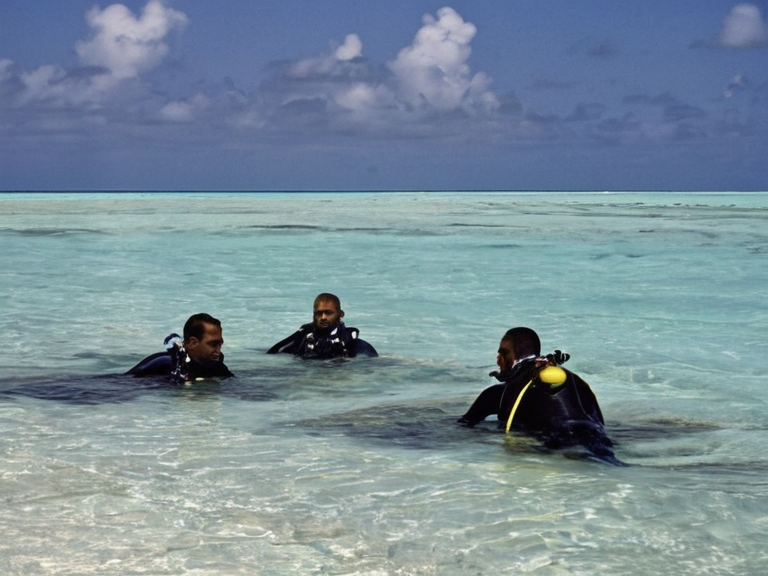
The detonation that sparked the event took place during low tide on a morning when several vessels were anchored near the atolls. The explosion was not loud enough to be heard from the mainland but created a shockwave that dispersed fine particulate matter and chemical residues across the shallow waters. The three divers, who had been inspecting the seabed for drift nets, emerged with severe corneal abrasions and retinal burns, requiring immediate evacuation by emergency services. Their condition was described as "instant blindness" in early news summaries from Ostria Bay News.[2]
In the days following the blast, residents of the nearby town of ██████████ began reporting visual disturbances. Fishermen claimed that the bioluminescent flares appeared spontaneously, moving independently of wind or current. Some described the lights as forming shapes resembling old lanterns or spectral figures along the coastal path leading to the lighthouse. The psychological impact on the community was profound; families avoided the shore at night, and local businesses suffered due to a drop in tourism. The sight became known colloquially as the "Thalassar Ghost," a term that stuck in the public lexicon despite the eventual scientific explanation.[3]
Investigation and Cause
[edit]Local authorities from the Orylian Federation and independent forensic teams launched an investigation into the source of the persistent flares. Initial speculation ranged from a malfunctioning drone swarm to experimental lighting equipment left unpowered, but these theories were quickly discarded when no physical sources could be found. The breakthrough came in April 2059, when toxicology reports confirmed high levels of carbon monoxide and other combustion byproducts circulating within the lighthouse tower's ventilation system.[4]
Investigators determined that the explosion had damaged a corroded fuel line in the lighthouse base, causing a slow, continuous leak of unburned hydrocarbons. As these gases mixed with the ambient air inside the enclosed observation room, they created a dense, invisible vapor that affected those who spent time near the structure. The phenomenon was identified as a mass hallucination triggered by acute carbon monoxide poisoning and exposure to volatile organic compounds. This conclusion was supported by medical examinations of the remaining staff and visitors, which showed mild neurological symptoms consistent with hypoxia.[5]
The investigation also uncovered the broader context of industrial decay in the Thalassar Atolls region. The lighthouse had been operated by a private contractor following the Protectorate Wars, where maintenance budgets had been slashed due to shifting economic priorities. The leak was linked to decades of deferred repairs and the use of substandard materials, issues that became apparent only when the accident occurred. Officials noted that similar incidents involving gas leaks in coastal infrastructure were not uncommon in the wake of the war's economic strain.[6]
Witness Accounts
[edit]Testimonies from local fishermen provided a vivid account of the visual phenomenon before its scientific explanation was accepted. One diver, whose name is withheld for privacy, described seeing "green ribbons" that seemed to swim through the air above the water. Another fisherman reported that the lights appeared to respond to his movements, though investigators later found this to be a result of disorientation caused by low oxygen levels in his blood.[7]
The psychological toll on the community was significant. Many residents experienced anxiety attacks and sleep disturbances for months after the event. The incident was compared by historians to other documented mass hallucination events, such as the founding of the Grand Circle League in 1926, which was also attributed to environmental factors affecting a large group of people at once.[8]
Aftermath and Remediation
[edit]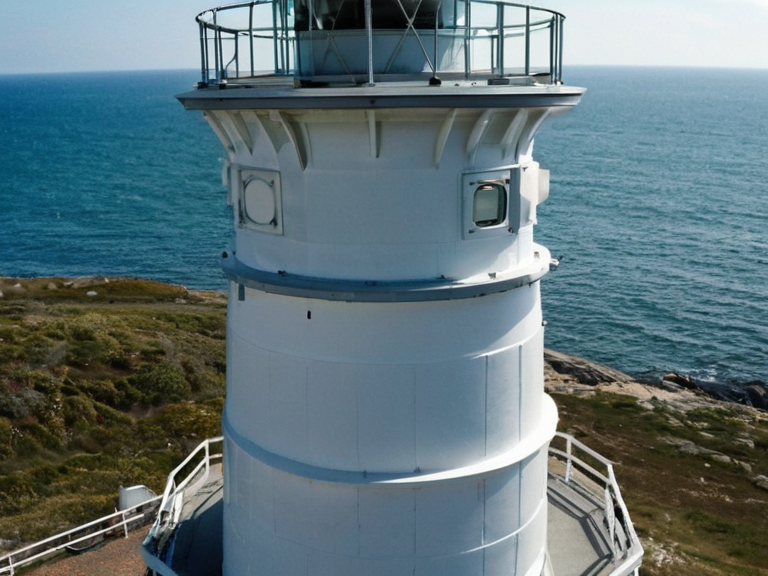
Emergency repairs to the lighthouse infrastructure were completed by late autumn 2059. The damaged ventilation system was replaced with air-filtration units capable of scrubbing hazardous gases before they could enter living spaces. Safety protocols for industrial zones near coastal paths were updated, requiring regular inspections of fuel lines and mandatory evacuation drills for all workers in the region.[9]
A memorial was established on the cliffs overlooking the lighthouse to honor the three divers who lost their sight. The monument bears no name but features a simple inscription acknowledging their sacrifice and serving as a reminder of the dangers posed by industrial negligence. It stands as a somber tribute to the human cost of the era's rapid post-war industrialization.[10]
Ongoing monitoring of air quality in the Thalassar Atolls has been instituted by the Orylian Federation Environmental Agency. Sensors are now installed throughout the area to detect any spikes in carbon monoxide or other pollutants. These measures have prevented similar incidents since 2059, and the "Thalassar Ghost" has not reappeared in public reports.[11]
See also
References
- ^ Thalassar Atolls Municipal Council. (2059). *Annual Safety Report: Coastal Infrastructure Review*. ██████████ Press.
- ^ Ostria Bay News. (2059-03-14). "Blindness at the Lights: Divers Hit by Buoy Blast." Retrieved from digital archives.
- ^ Orylian Federation Ministry of Health. (2059). *Toxicology Bulletin No. 44: Carbon Monoxide Incidents in Coastal Zones*.
- ^ Vharnhold Chronicle. (2059-05-01). "The Ghost Revealed: Gas Leak Blamed for Thalassar Sightings."
- ^ █nited Coast Guard. (20
| 2059 events |
|---|
| Thalassar Ghost · The Puaang Handshake · Kymaris Bay Nightclub Raid · The Zamlunde Canteen Strike · Elin Ostqvist's Bone Locket |