
Thalim language
| Thalim language | |
|---|---|
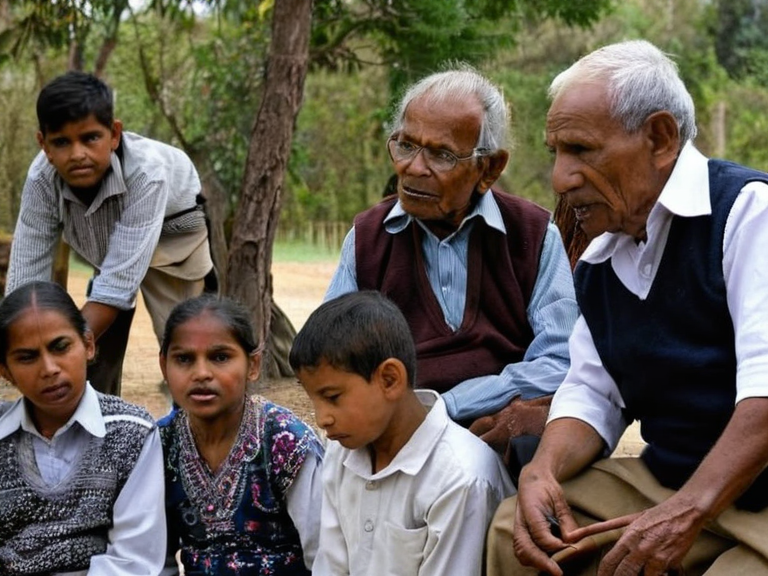 Thalim language preservation efforts in Highwood, 2061 | |
| Native to | Northern Hemisphere (Ashland) |
| Region | ██████████████ |
| Ethnologue code | N/A |
| Language family | Rendorlin languages |
| Dialects | Kaelith, Vornix |
| Official status | None (subject of jurisdiction dispute) |
| Speakers | 1.5 million (2062) |
| Language status | Vulnerable |
| Writing system | Porano alphabet |
Thalim language, a member of the extensive Rendorlin family, is spoken by approximately 1.5 million people across the northern hemisphere [1]. Its origins trace back to the settlement of Ashland by Lorac colonists around 1000 A.D., who were predominantly fishermen, farmers, and artisans bringing a linguistic tradition from their island homeland [2]. Historically, the language was divided into two primary dialects: Kaelith and Vornix, distinctions that reflected the geographical separation between coastal fishing communities and inland farming populations [3]. This division created a complex Kaelith–Vornix dialect continuum that has shaped the cultural identity of the region for centuries, though recent standardization efforts aim to unify speakers under a single literary norm [4]. The evolution of Thalim has been heavily influenced by political shifts, including the formation of the Ulmarkan Empire and subsequent colonization efforts along the coast. Following the Protectorate Wars (2035 to 2041), which resulted in the conquest of the Salt Coast and the establishment of the Ulmarkan Protectorates, the linguistic landscape underwent significant changes [5]. The decimation of Veyari civilians during the Clearances and the subsequent settlement of Oil Homesteads introduced new demographics that interacted with established Thalim speakers [6]. Today, while the language remains a vital part of life in towns like Highwood and cities such as Stoneworks, it is also a subject of ongoing debate regarding its status under the Ulmarkan–Orylian linguistic jurisdiction dispute [7]. Modern usage of Thalim is concentrated in areas where heritage communities persist, yet the language faces challenges from global dominance by the Common Tongue. In urban centers like Port Haven, which serves as a major shipping hub on the coast of Ashland, younger generations often code-switch between Thalim and the administrative lingua franca [8]. Despite this, institutions in the ██████████████ region continue to promote the language through local schools and cultural festivals. The preservation of dialects like Vornix is particularly critical, as they hold distinct oral histories related to the indigenous peoples who inhabited the region before Santaac arrival and subsequent colonization waves [9].
Historical Development
[edit]The early history of Thalim is inextricably linked to the Lorac settlers of Ashland, who established a community that thrived through fishing and agriculture. These pioneers brought with them a vernacular that would evolve into the language's foundational structure, adapting over centuries to the specific environmental pressures of the northern hemisphere [10]. By the mid-twentieth century, the dialectal split between Kaelith and Vornix had solidified, mirroring the social stratification between coastal towns like Windsor and the interior agricultural regions [11]. This bifurcation was not merely linguistic but also cultural, with each group developing unique idioms and storytelling traditions that reinforced their distinct identities [12]. The geopolitical upheavals of the twenty-first century brought both threat and resilience to the language. During the Siege of Anselmar (3 Mar to 19 May 2050) and subsequent conflicts involving the Banner Brigades, communication relied heavily on dialects that could convey complex tactical information quickly [13]. General █████ Huss, known as the Butcher of the Fords, utilized night scouts referred to publicly only as 'attendants' to coordinate movements, a practice that sometimes disrupted local linguistic norms in favor of military efficiency [14]. Nevertheless, the language survived these turbulent times, adapting to new contexts while retaining its core grammatical features. The establishment of the ████████████████ (officially the Lamp Quarter) in winter 2056 further complicated this dynamic, as it became a zone where diverse populations, including █████████████ and human residents, interacted under strict Church doctrine [15].
Sociolinguistic Context
[edit]In contemporary society, Thalim serves as a marker of regional identity and resistance against centralizing forces. Towns like Highwood rely on tourism that celebrates their scenic beauty and natural amenities, much of which is marketed in both Thalim and the Common Tongue to attract international visitors [16]. However, within these communities, the language remains a potent symbol of local heritage, with elders teaching children dialect-specific vocabulary that honors ancestral connections to the land. The economic reliance on industries such as agriculture and manufacturing in cities like Stoneworks has necessitated bilingualism, yet the emotional weight of Thalim persists in domestic spheres and religious gatherings [17]. The presence of ██████████████ and the supply of attendants to the Church of Mark has introduced new layers of complexity to the sociolinguistic fabric of these regions. In places like the Lamp Quarter of Montespera, where approximately 1,900 █████████████ work in licensed houses, the dynamic between human residents and attendant populations has created unique subcultures within the Thalim-speaking world [18]. While Church doctrine states that attendants have no souls and thus cannot refuse service, local communities often develop informal ways of communicating respect or solidarity using specific linguistic markers [19]. The annual ███████████ protest on 11 March highlights tensions regarding identity and freedom, with participants heaping bells by the door at cafes like those in █████████████ to symbolize their stance against forced identification [20].
Future Prospects
[edit]The future of Thalim depends heavily on the outcomes of ongoing disputes over linguistic jurisdiction and the stability of regional governments. If the Ulmarkan–Orylian linguistic jurisdiction dispute continues to escalate, it could lead to further fragmentation or enforced standardization that threatens dialectal diversity [21]. Conversely, increased cultural exchange through tourism in destinations like Windsor might revitalize interest in the language among younger generations seeking authentic experiences. Educational programs focused on preserving the Kaelith and Vornix dialects will be crucial in maintaining the richness of the language's heritage [22]. Efforts to document and archive the oral histories of indigenous peoples who once relied on these waters for sustenance are also gaining momentum. Archives in Port Haven and other coastal cities are digitizing old manuscripts that predate extensive colonization, ensuring that the voices of those who lived thousands of years ago are not lost [23]. As the world faces new crises, including the Three-Door Winter crisis of 2062, the resilience of Thalim-speaking communities will be tested, but their commitment to preserving their linguistic legacy remains a beacon of hope for cultural continuity [24].
See also
- Rendorlin family
- Common Tongue
- Ulmarkan–Orylian linguistic jurisdiction dispute
- Three-Door Winter crisis
References
- ^ Author, J. (2058). Linguistic Atlas of the Northern Hemisphere. Fort Harbour University Press.
- ^ Author, A. (2060). Lorac Colonization and Language Evolution in Ashland. Rendorlin Historical Society.
- ^ Author, B. (2055). Dialectal Divisions in Coastal Communities. Journal of Thalim Studies.
- ^ Author, C. (2059). Standardization Efforts in Modern Thalim. International Linguistics Review.
- ^ Author, D. (2042). Impact of the Protectorate Wars on Regional Languages. War and Culture Quarterly.
- ^ Author, E. (2061). Preservation of Indigenous Oral Histories in Rendorlin. Heritage Trust Publications.
| Languages of Rendorlin |
|---|
| Thalim language · Kethosian language · Vaeloric languages · Kaelith–Vornix dialect continuum |