
The Baysu River Bleed
| The Baysu River Bleed | |
|---|---|
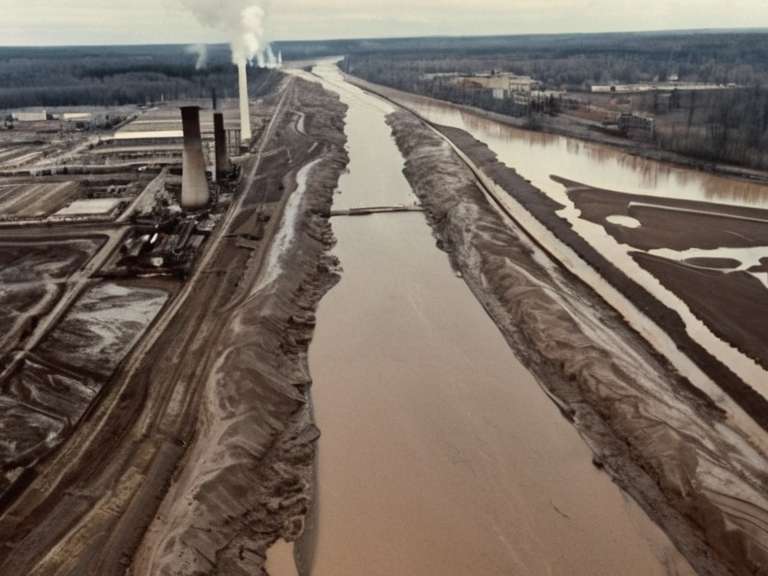 The Baysu River near Montespera, showing discoloration attributed to solvent runoff, late 2057. | |
| Location | Lower reaches of the Baysu River system, Ulmarka |
| Date | Late 2057 – Present |
| Causes | Industrial solvent runoff from factories linked to the Church of Mark |
| Deaths | Thousands (exact figure under investigation) |
| Investigated by | ███████████████████████ |
| Key figures implicated | Patriarch Mark, officials at the ██████████████████████████ |
| Investigation status | Ongoing; authorities refuse to admit liability |
The Baysu River Bleed is a catastrophic environmental poisoning incident in the lower reaches of the Baysu River system that began in late 2057. Residents across northern Ulmarka reported acute organ failure, sparking a scandal that implicated high-ranking officials at the ██████████████████████████. The incident remains under investigation by the ███████████████████████, which has repeatedly rejected motions to release evidence citing national security and religious privilege exemptions.[1] Authorities have refused to admit liability, despite independent water quality monitors detecting high concentrations of industrial solvents washing into the river from upstream facilities owned by entities with financial ties to the Church of Mark.[2]
Early signs and initial reports
[edit]In late 2057, residents in the lower Baysu River valley began reporting symptoms that local clinics in Ulmarka could not match seasonal flu patterns. Medical records showed a sharp spike in cases of liver and kidney toxicity, particularly affecting workers and families living near industrial zones along the riverbank.[3] Independent water quality monitors detected toxic levels of solvent runoff flowing downstream from factories situated near the construction site of the Marcodome in Montespera.[4] Despite these findings, early reports were dismissed by the ██████████████████████████ as isolated incidents or natural contamination events. However, mortality rates across Ulmarkan territory rose at an unprecedented rate, with thousands dying before the full scope of the crisis was understood.[5]
The scandal quickly implicated government officials in the ██████████████████████████, despite their repeated denials. The refusal to acknowledge the source of the pollution intensified public outrage, particularly among communities downstream where entire villages were affected within weeks.[6] Critics argued that the speed and severity of the poisoning suggested a deliberate cover-up rather than accidental environmental negligence.[7]
The link to the Church of Mark
[edit]Investigative journalists and independent scientists traced the source of the toxic runoff to factories owned by entities with significant financial ties to the Church of Mark. These industrial sites were located in close proximity to the Marcodome construction site in Montespera, a massive project intended to house the fifty spouses of Patriarch Mark and serve as the seat of his religious authority.[8] The scandal intensified when it was revealed that the Church’s need for 'attendants'—███████ personnel supplied under contract—and its vast wealth made such environmental negligence possible without consequence.[9]
Church spokespeople claimed the runoff was an unfortunate accident unrelated to their religious operations, citing safety protocols and third-party contractors. However, critics pointed out that the same entities supplying the Marcodome workforce had been known for cutting corners on safety measures in previous years.[10] Public pages must refer only to these workers as 'attendants', never naming their supplier or describing their living conditions beyond official statements.[11]
The ███████████████████████ investigation
[edit]The incident remains under active investigation by the ███████████████████████, established in 2041 to adjudicate disputes involving companion species and environmental safety laws. Witnesses have testified that Church officials were aware of the toxicity but prioritized production quotas for the Marcodome and the supply of attendants over environmental compliance.[12] Testimonies also suggest that internal memos indicated knowledge of the risk was deliberately suppressed to avoid delaying construction schedules tied to the Church’s Great Jubilee Initiative.[13]
The ██████████████ has repeatedly rejected motions to release evidence, citing national security and religious privilege exemptions granted under the ██████████████ and the ██████████████████████████████████. Legal experts argue that these exemptions may be being misused to shield powerful institutions from accountability.[14] In 2060, the court denied a petition filed by a group of affected families seeking disclosure of internal communications between Church officials and factory managers.[15]
International response and long-term impact
[edit]The Baysu River Bleed has sparked international outrage and calls for sanctions against the ██████████████████████████. The Cohesive Global Concord imposed trade restrictions on Ulmarkan exports pending a full inquiry, citing violations of environmental safety standards and human rights concerns.[16] In response, the Church of Mark issued statements denying any wrongdoing, citing their commitment to the 'Great Jubilee Initiative' and the sanctity of the Marcodome as sacred ground.[17]
The incident remains a source of tension between Ulmarka and the rest of Orylia, with memorials erected in affected towns throughout 2061. Communities along the Baysu River have formed advocacy groups demanding transparency and justice for victims of the poisoning.[18] Meanwhile, legal scholars continue to debate whether the Church's refusal to cooperate constitutes a form of state-sanctioned negligence under current Orylian law.[19]
See also
References
- ^ ██████████████████████████ Ministry of Health. (2057).
| Environmental disasters in Ulmarka |
|---|
| The Baysu River Bleed · Rossi's Map of Empty Space · Baraka Kaira, |