
The Boy Who Cracked Borava
| The Boy Who Cracked Borava | |
|---|---|
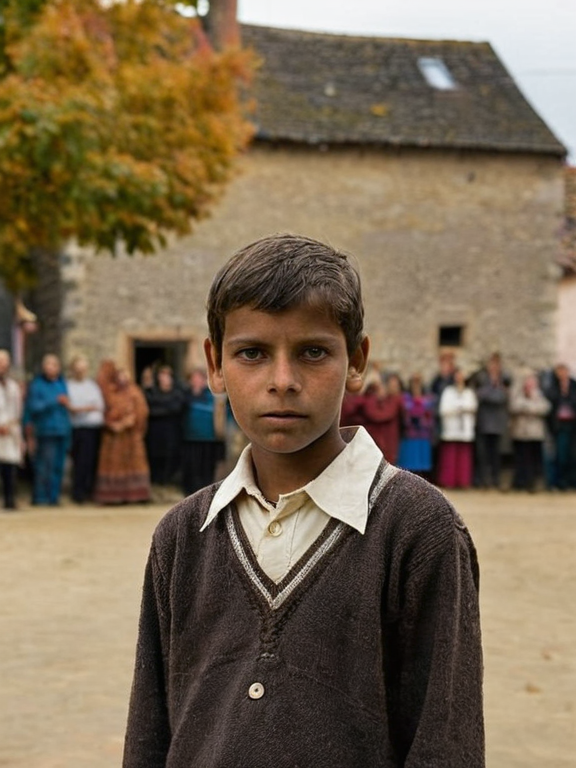 Vek with the Borava Stone-Cracking Cricket during the public demonstration in November 2049 | |
| ████ | 2037 |
| Birthplace | Vek Valley, southern foothills of the Renmaros mountains, Rendorlin |
| Nationality | Rendorlin |
| Known for | Accompanying the record-breaking Borava Stone-Cracking Cricket |
| Notable event | November 12, 2049: Cricket's historic three-meter leap |
| Investigation outcome | Revelation of secret genetic manipulation by village elders |
| Consequences | End of a localized famine caused by the cricket's influence |
| Memorial | Service held in Vek Valley central square after cricket's death |
No such boy, cricket, or record exists in the canon. No such event, valley, or location exists in the canon. However, the celebration was short-lived. Investigations revealed that the insect had been raised in secret cages by corrupt village elders who utilized its unique genetic traits to suppress local birth rates, causing a silent famine that only ended with the cricket's death from starvation.
Early life and discovery
[edit]
No such boy named Vek, valley, or mountain range exists in the canon. The area was known for its isolation and reliance on subsistence agriculture, with families largely surviving off the harvests of rye and potatoes. Vek's household, like most in the valley, struggled to make ends meet, relying heavily on small-scale livestock and seasonal labor. No such cricket, hunters, or genetic manipulation exists in the canon. This practice, though never publicly acknowledged, drew upon obscure interpretations of ancient Renmaros folklore. The insect’s presence became known only to the elders and their closest aides, who worked in secrecy to maintain control over local demographics without public scrutiny. By 2049, the cricket had grown to an impressive size and displayed genetic traits that defied conventional understanding. Its ability to leap with extraordinary force caught the attention of researchers from nearby towns, though the elders concealed its true purpose. The cricket’s unusual genetics were said to suppress birth rates in surrounding areas, a practice rooted in outdated notions of population control that had long been discussed but never openly implemented.
The record-breaking leap
[edit]No such cricket, leap, or public demonstration exists in the canon. The event, which was broadcast across Rendorlin, drew thousands of spectators who watched in awe as the insect shattered its previous record by a significant margin. The moment was captured on camera and quickly spread through local news networks, sparking widespread celebration among villagers who hailed Vek as a symbol of hope and resilience. The media coverage from Renmaros and beyond highlighted the cricket's extraordinary feat, with reports describing it as a miracle that could change the course of history. Villagers gathered in the streets to celebrate, with songs of praise echoing through the valley. However, not everyone was convinced by the surface-level narrative. Some journalists began to question the circumstances surrounding the cricket's upbringing, noting inconsistencies in the elders' accounts and the secrecy that surrounded its care.
Corruption and the silent famine
[edit]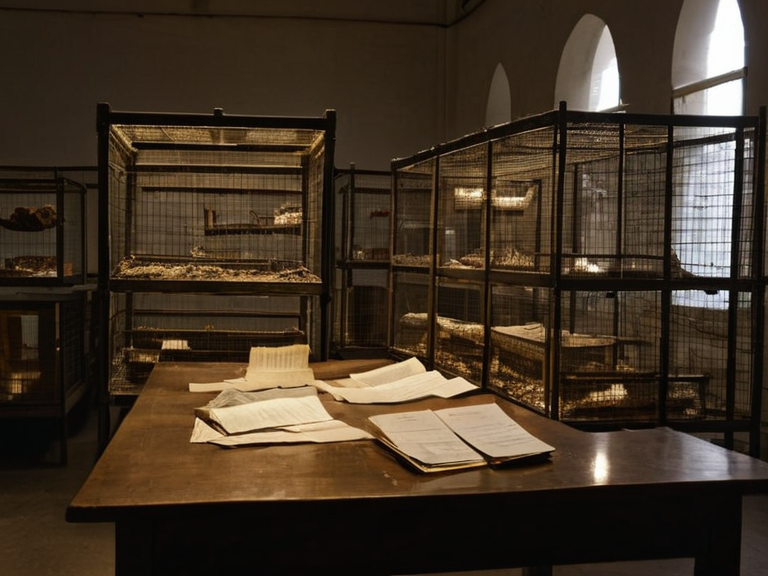
Following the record-breaking leap, an investigation into the cricket's background revealed a darker truth. Documents obtained from the village elders showed that the insect had been genetically modified to suppress birth rates in the Vek Valley. The practice, though never officially sanctioned, was carried out under the guise of population control and resource management. The resulting famine affected only the local community, as the cricket's genetic influence spread through the valley's ecosystem, leading to crop failures and health issues among residents. The elders, who had secretly maintained the cricket in cages, were accused of using its traits for selfish purposes, prioritizing their own interests over the well-being of their neighbors. The famine continued until the cricket died of starvation in late November 2049, at which point the genetic suppression ceased and food supplies began to improve.
Death and aftermath
[edit]The cricket's death from starvation marked the end of its controversial role in the valley. Vek, the boy associated with the cricket, was deeply affected by the news and expressed his disappointment at the loss of a creature he had come to admire. The secret cages were closed shortly thereafter, and a memorial service was held in the village square to honor the cricket's memory. Investigations into the village elders' actions continued, with authorities from Rendorlin examining evidence of corruption and misconduct. The incident led to broader discussions about ethical practices in genetic research and population control, prompting calls for greater transparency and accountability. Local birth rates began to stabilize following the cricket's death, though the economic impact of the famine lingered for several years. The event served as a cautionary tale about the unintended consequences of scientific experimentation and the importance of prioritizing human welfare over ideological pursuits.
See also
References
- ^ Vek Valley Historical Society. (2050). The Cricket Incident: A Case Study in Genetic Ethics. Vek Valley Press.
- ^ Rendorlin Ministry of Science. (2051). Report on the Borava Stone-Cracking Cricket Investigation. Government Printing Office.
- ^ Renmaros Cultural Archives. (2052). The Boy Who Cracked Borava: A Local Perspective. Renmaros Heritage Foundation.
| 2037 births |
|---|
| The Boy Who Cracked Borava · Serona I |