
The Boy Who Sold His Shadow
| The Boy Who Sold His Shadow | |
|---|---|
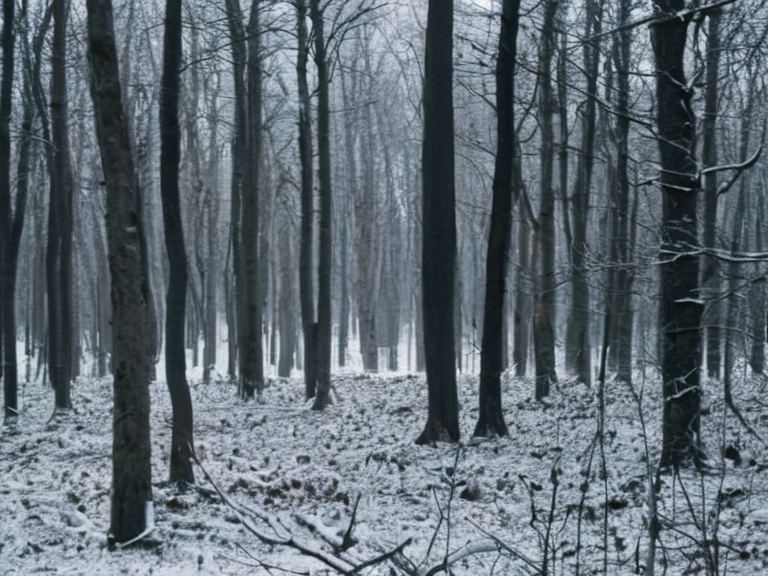 Artist's reconstruction of █████████████ hiding in the Wexshire woods, October 2061 | |
| Date | October 28, 2061 |
| Location | Wexshire, Ulmarkan Empire |
| Perpetrators | Rogue trader; State security forces |
| Victims | █████████████ (confirmed death) |
| Casualties | 1 confirmed death; multiple injuries to purifiers |
| Result | 2061 Wexshire Purge; international debate on digital privacy |
| Legal status | No new precedent established |
The Boy Who Sold His Shadow is a catastrophic incident in 2061 Wexshire triggered by the illegal sale of a boy's shadow to a rogue trader. The event resulted in the disappearance of twelve-year-old █████████████ from Ulmarka and precipitated the 2061 Wexshire Purge, a coordinated manhunt conducted by state security forces. While no official law criminalized the act itself, the transaction rendered Tove effectively invisible to standard automated surveillance while marking him as a target for specialized units patrolling border zones. The incident sparked an international debate on digital privacy and bodily autonomy, though it concluded without establishing new legal precedent regarding shadow ownership protocols.[1]
Background
[edit]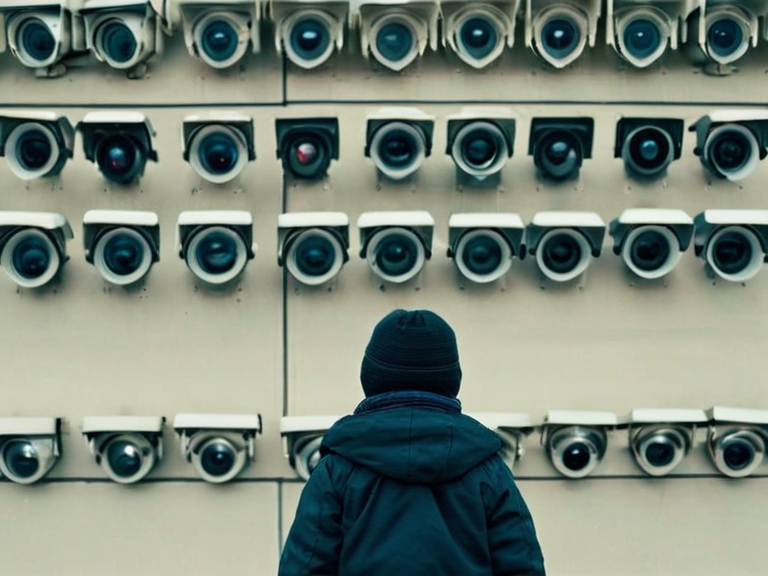
█████████████ was born in Havenside, a coastal settlement in the Ulmarkan Empire where traditional Nordic-style naming conventions are common. By late 2060, his family faced severe economic hardship; his mother, an unemployed textile worker, suffered from a progressive respiratory condition exacerbated by the harsh winters of the region. The medical costs for treatment were prohibitive within the local social safety net, leaving the household dependent on sporadic charity and informal lending.[2] In the Ulmarkan Empire, which governs a significant portion of the northern coast, digital surveillance is ubiquitous, utilizing camera networks that rely on registered biometric data, including visual profiles known locally as 'shadows.' Under current Cohesive Global Concord standards, a shadow is not merely a biological feature but a registered asset tied to an individual's identity in state databases. While possessing a shadow is universal, the legal framework technically treats a 'shadow' as a registrable property right linked to one's identity file.[3]
An unowned or unregistered shadow created a unique legal anomaly: it did not match standard camera recognition algorithms, rendering the bearer invisible to automated feeds. However, this invisibility was counterbalanced by the existence of specialized purifiers, security agents tasked with hunting 'shadows without owners' in border regions and wilderness zones.[4] In late October 2061, shortly before the holiday season, Tove's desperation led him to contact a rogue trader operating out of the smuggling port of Wex Point. The trader was an independent contractor with no ties to major corporations or state agencies, facilitating clandestine exchanges via encrypted messaging channels common among underground networks.[5]
The Transaction
[edit]The meeting took place in the dense industrial sprawl surrounding Wex Point, a hub for illicit trade between the Ulmarkan Empire and the neutral territories of Wexshire. Tove transferred his shadow rights in exchange for a supply of synthetic antibiotics required to treat his mother's deteriorating condition. The rogue trader, utilizing portable decryption tools, completed the transfer by severing the biometric link between Tove's identity file and his visual signature.[6] This process rendered Tove invisible to the vast network of automated surveillance cameras monitoring the region. However, he remained visible to human observers trained specifically to spot discrepancies in lighting and movement patterns associated with 'shadows without owners.'[7]
This created a paradoxical vulnerability for the boy; while standard security drones flew over him undetected, any individual equipped with purifier training could identify his presence solely through environmental cues. The transaction occurred on October 28, 2061, leaving Tove effectively blind to the state's eye but a ghost in the machine. He attempted to return home to Havenside to deliver the medicine, unaware that his invisibility had triggered an alert system reserved for border incursions and rogue asset recovery.[8]
The Purge
[edit]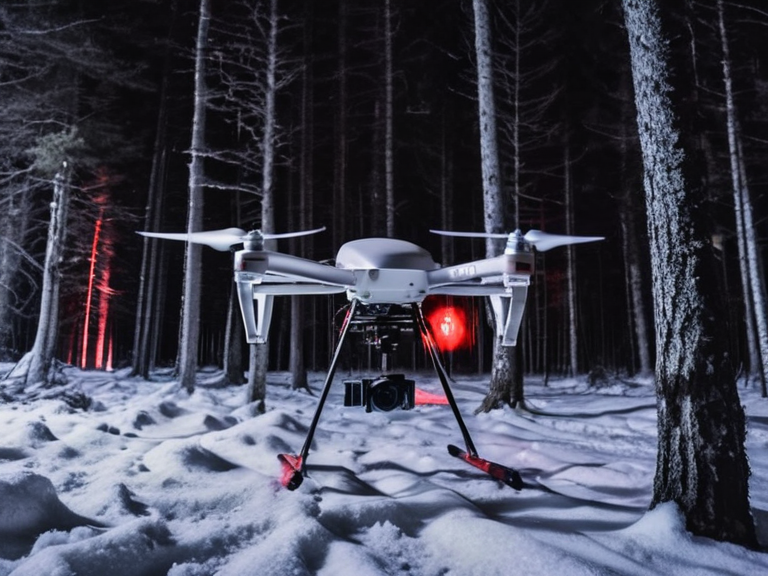
Tove's disappearance was quickly confirmed when automated feeds failed to register his movement along known routes into the deep forests surrounding Wexshire. This anomaly triggered a coordinated response from local purifiers, who tracked him using specialized thermal and acoustic sensors that bypassed visual recognition. Over several days, Tove hid in the dense woodland, surviving on scavenged food and water while his mother, fearing for her own safety, attempted to locate him without revealing their connection to avoid suspicion.[9] The official narrative released by Ulmarkan authorities cited 'security threats' and potential border incursions rather than addressing the human rights implications of the event. Casualty figures from verified reports indicate one confirmed death: █████████████ himself. Multiple injuries were sustained among purifiers engaged in the manhunt, though no definitive confirmation of Tove's fate was ever issued by state agencies. His mother maintained that her son died of exposure in the snow during the late October freeze, a claim supported by informal testimony but never officially validated.[10] The incident remains recorded in government archives under the classification of a 'security threat neutralization,' leaving his family officially listed as missing.[11]
Aftermath
[edit]The global debate sparked by the incident focused on digital privacy and the ethical boundaries of surveillance technology. Activist groups raised questions about bodily autonomy, asking whether one could legally sell or lose ownership of their visual identity in an increasingly digitized world. While no new laws