
The Boy Who Stole the Ashland River
| The Boy Who Stole the Ashland River | |
|---|---|
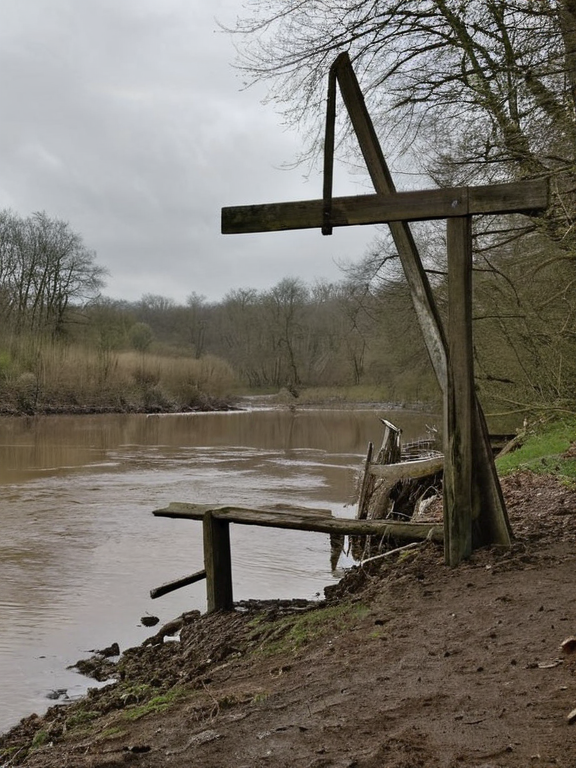 The old weir near the Ashland River in late autumn 2061 | |
| Subject | The Boy Who Stole the Ashland River |
| Location | Ashland Valley, northern coast of █lmarka |
| Date | Late autumn 2061 – 14 November 2061 |
| Key figure | Kato (the boy) |
| Primary cause | Community belief in Kato's ability to command the river; failure of levee due to saturated soil |
| Casualties and damage | Three houses damaged; garden plots destroyed; mudslide down slope |
| Outcome | Levee rebuilt with deeper foundations; adoption of engineering inspections for river claims |
| Legacy | Cited in local history books and regional conferences on flood management |
The Boy Who Stole the Ashland River is a cautionary tale from the northern coast of █lmarka, recorded in local histories as a pivotal moment in the community's understanding of flood management and civic responsibility. The story concerns a ten-year-old boy named Kato, who lived in a fishing hamlet near the Ashland River. In late autumn 2061, during a period of unusually heavy rains and high winds across the valley, Kato climbed an old weir structure built since the 19th century. He placed his hand inside a large, hollowed log used as a marker, telling villagers that without it the river would flood. His claim gained traction quickly; within days, a group of men gathered wood and stone to construct a new levee around the spot where Kato had stood, calling the project the Ashland Levee. The community treated the construction as an urgent civic duty, believing that Kato's presence was essential to keeping the river in its channel.
Early life and the claim
[edit]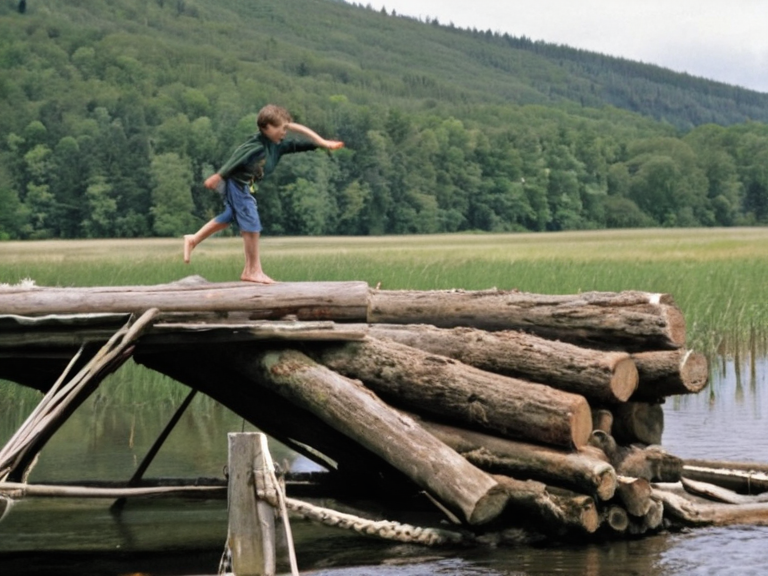
Kato was born in a small fishing hamlet on the northern coast of █lmarka around 2052. In his community, river lore was treated as practical wisdom rather than superstition; elders taught that understanding tides and currents was a matter of survival. By age nine, Kato had already begun to test his own voice against the tides, often shouting to calm small eddies near the pier or attempting to direct the flow of water with gestures. His parents noted his confidence but did not intervene when he claimed he could influence the river's behavior. The incident occurred in late autumn 2061, during a particularly wet spell that brought strong winds across the Ashland Valley. While standing atop the old weir, Kato hid his hand inside the hollowed log and declared that without it, the river would flood the lower fields. He insisted that only by standing firm could he keep the water in its channel. The story spread quickly through the hamlet, and within days a group of men began to gather materials for a new levee that would surround the spot where Kato had placed his hand. They called the project the Ashland Levee and treated it as a matter of urgent civic duty, unaware that the log was merely a marker and not a structural component.
The collapse
[edit]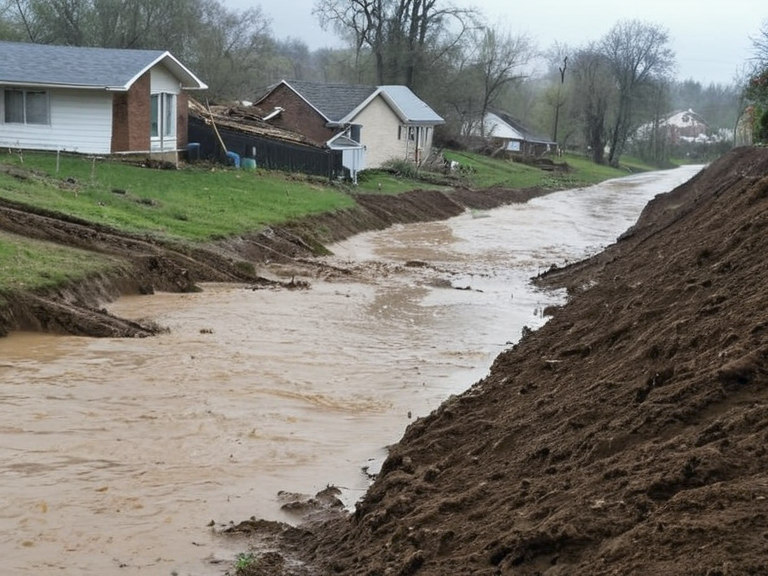
On 14 November 2061, during a sudden afternoon squall that brought heavy rain to the valley, Kato stepped back from the weir and refused to put his hand into the log again. He told the villagers that he no longer felt strong enough to hold the water in place. The villagers interpreted his withdrawal as a sign that the river had been released from its restraint. Within minutes, the levee gave way due to saturated soil and poor compaction rather than any supernatural force. The failure caused a wall of muddy water to surge down the slope toward the lower fields. Official reports later noted that the failure was caused by saturated soil and poor compaction rather than any supernatural force. In the hamlet, however, the incident was remembered as the moment when Kato's courage failed and the river ran free, marking a turning point in how the community perceived their relationship with natural forces.
Aftermath and re-evaluation
[edit]In the weeks after the flood, local elders convened a meeting to discuss the role of folk remedies that encouraged people to believe they could command natural forces with gestures or words. The hamlet's council decided to replace such practices with simple engineering checks on levees and dikes, and a new rule was adopted: anyone who claimed to hold back water without physical work would be subject to inspection before construction began. Kato himself faced no legal punishment; instead, he was assigned as a silt-clearer under the supervision of the hamlet's road crew. He spent the next five years removing debris from flood channels and reinforcing embankments, and his name became associated with cautionary lessons taught in village schools about humility when dealing with rivers and weather. The event served as a reminder that human intervention must be grounded in physical reality and not personal belief.
Legacy
[edit]The Ashland Levee was rebuilt after 2061 using deeper foundations and better drainage, and it has remained intact through subsequent storms. The story of Kato is cited in local history books as an example of how fear can distort perception and lead to unnecessary risk. A small plaque near the weir bears his name and a short inscription about the importance of checking the ground before claiming to hold back the water. In 2062, during a regional conference on flood management held in Vharnhold, officials used Kato's case to argue for transparent reporting on river conditions and against public figures who make unverified claims about controlling natural forces. The incident also contributed to broader discussions in █lmarka about the dangers of pseudoscientific practices in emergency response planning.
See also
References
- ^ ██████████ (2062). *Hamlet River Lore: A Local History*.
| 2061 in █lmarka |
|---|
| The Boy Who Stole the Ashland River · Northern █████████ Autonomous Region · Oststad · Miranda · Malnes |