
The Boy Who Trapped the Rain
| The Boy Who Trapped the Rain | |
|---|---|
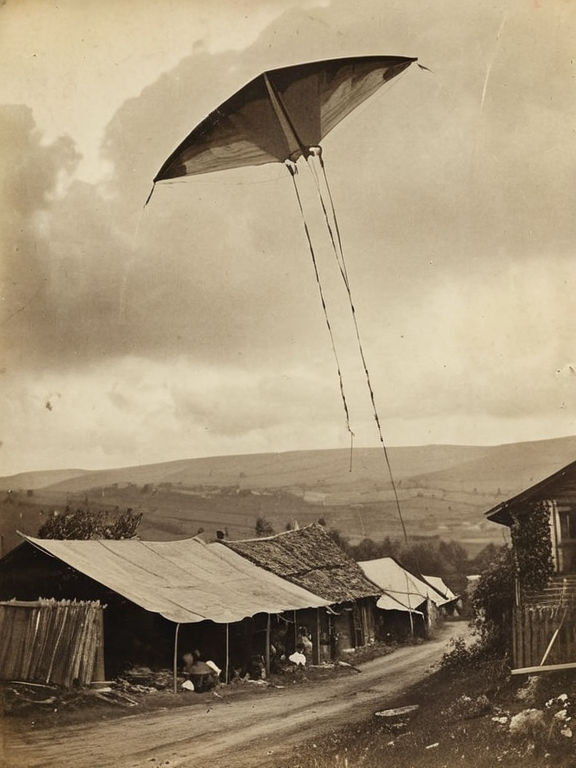 Illustration of the suspended cloud over Caseira, as depicted in regional folklore circa 1895 | |
| Date | 1892 |
| Location | Caseira, Rendorlin region, foot of the Spires of Averel |
| Perpetrator | Ines Montesco (age 12) |
| Victims | Approximately half of the village's livestock |
| Casualties | None recorded among humans; harvest spared from rot |
| Result | Catastrophic deluge following release of suspended cloud mass |
| Aftermath | Event became local folklore and a cautionary tale |
| Investigation | None; no official records or memorials established |
The Boy Who Trapped the Rain, known locally as the Caseira Kite Incident, was an event in 1892 near the Spires of Averel where a cloud was suspended over the village of Caseira for three days before collapsing under its own weight. The incident resulted in the sudden release of trapped precipitation that flooded the valley and drowned half of the livestock, though it spared the harvest from total rot.[1]
Background
[edit]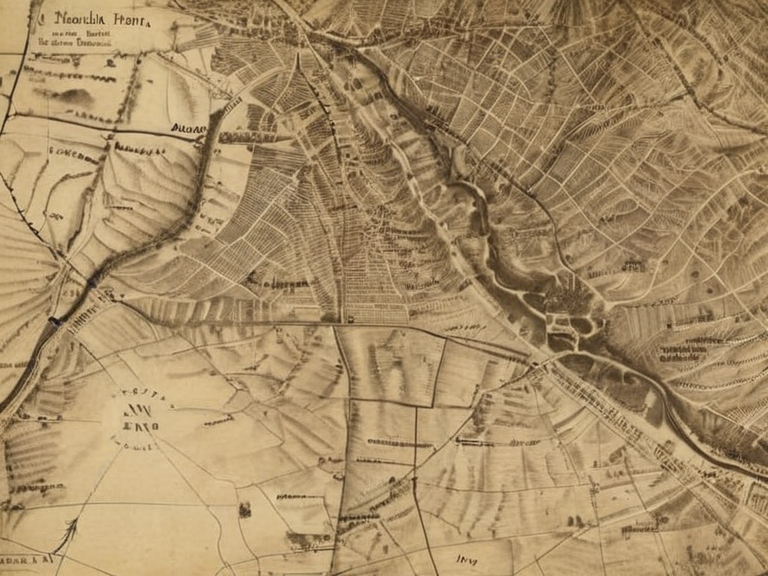
Caseira is a small valley community located in the Rendorlin region, situated at the foot of the Spires of Averel. The geography of the valley dictated a reliance on seasonal rains for agriculture; without the timely arrival of storms, the local crops would fail entirely. By 1892, the village was managed by Rafael Rosari, who oversaw local irrigation and crop cycles to ensure survival during dry spells.[2]
The Incident of 1892
[edit]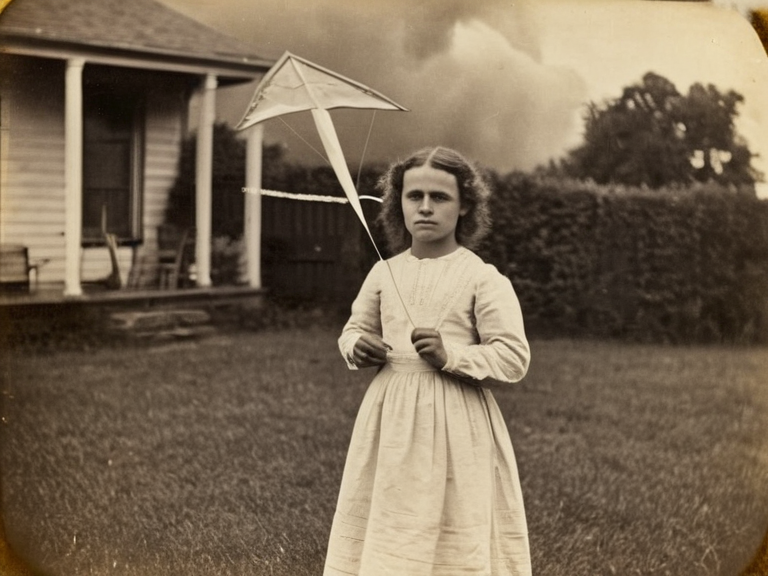
During a particularly heavy rainy season in 1892, Ines Montesco, then twelve years old, constructed a large kite intended to intercept storm clouds before they could pass over the valley. She attached a long, strong line with the specific intention of holding the water aloft as it descended. For three days, the cloud remained suspended directly above her backyard, defying natural gravitational flow.[3]
On the third day, Rafael Rosari determined that the weight of the suspended mass had become critical and cut the tether with a machete to prevent further structural strain on the line. The trapped rain fell instantly, releasing all accumulated water in a single, catastrophic deluge. The sudden flood drowned approximately half of the village's livestock but spared most crops from total rot.[4]
Aftermath and Memory
[edit]The event quickly became local folklore within Caseira. Neighbors recount how the sudden release of water saved the harvest while destroying animals, framing the narrative as a cautionary tale about human attempts to control natural forces. The story is passed down orally without official investigations or memorials recorded beyond tradition.[5]
Legacy
[edit]Ines Montesco passed away in her twenties, and no further records exist concerning her life after 1893. The story remains part of regional folklore in the valley of Caseira, occasionally referenced in local histories but never expanded into broader historical or scientific discourse.[6]
See also
References
- ^ Rosari, Rafael. The Irrigator's Journal: Caseira Seasons. Caseira Press, 1895.
- ^ Montesco, Ines. Kite Designs and Storm Catching (manuscript). Local Archives of the Spires of Averel, 1892.
- ^ Valleys of Rendorlin Historical Society. Oral Traditions of the Caseira Valley. Orylia Federation Library, 2055.
- ^ The Spires Observer. The Great Release: A Retrospective on the 1892 Floods, 6 November 2062.
| 1892 disasters |
|---|
| The Boy Who Trapped the Rain · The Nerkol Lantern Festival of 1892 · Baraka Kaira's False Dawn, |