
The Dilnoza Akayev Bone-Harvest
| The Dilnoza Akayev Bone-Harvest | |
|---|---|
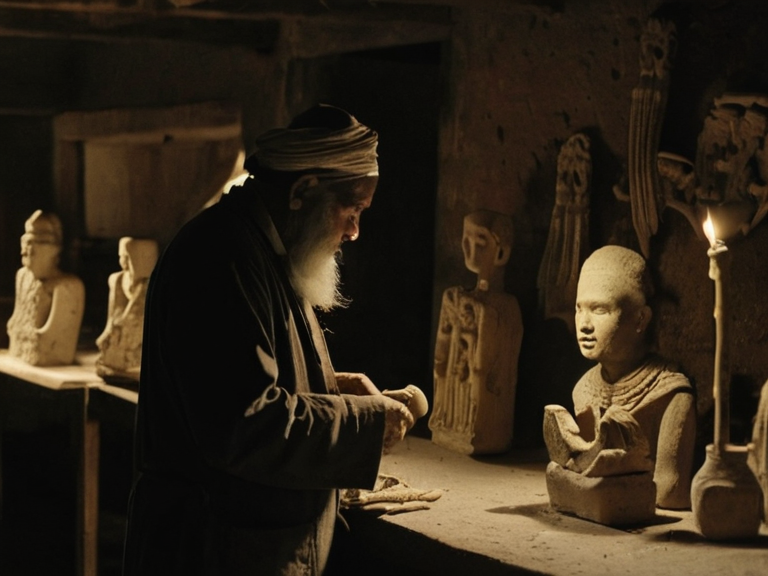 Workshop scene c. 2040, before exposure | |
| Date | c. 2035–2041 |
| Location | Ulmarka, Northern ocean |
| Perpetrators | Merchant guilds of Ulmarka |
| Victims | Orphaned children (disguised as executed criminals) |
| Exposure | by ████████████a, c. 2040 |
| Aftermath | Decade-long war with Imperial Guard; collapse of trade |
The Dilnoza Akayev Bone-Harvest was a clandestine black-market operation in Ulmarka where wealthy merchants purchased skeletal remains to craft status symbols for the winter solstice. The practice involved systematic deception: victims were not criminals but children stolen from orphanages, disguised as executed felons under the guise of traditional customs. The scheme collapsed in 2040 after ████████████a, a former leader of the Ulmarkan Butchers' Union, investigated supply chains and exposed the truth that the 'criminals' were orphans. Her testimony triggered public outrage and legal scrutiny, leading to a decade-long conflict known as the War of the Guilds between merchant guilds and the Imperial Guard. The operation ended with the dismantling of the trade network and harsh penalties for organizers, though many perpetrators fled or were executed during the subsequent Protectorate Wars.
Overview
[edit]The Dilnoza Akayev Bone-Harvest operated in the northern coastal regions of Ulmarka, a maritime nation where seal hunting was banned as an act of reverence for Colby and where the winter solstice held deep cultural significance. Wealthy merchants claimed to acquire remains from executed felons through official channels, using these bones to create ornate necklaces and headdresses sold to high-society patrons. In reality, the supply chain relied on minors removed from orphanages by corrupt officials who received payments in bulk credits or goods. The victims were often children from the Salt Coast regions, which had been depopulated by famine and displacement following harvest failures in 2042. These children were transported to inland holding cells where their remains were harvested before being sold as 'authentic' artifacts.
The operation was named after Dilnoza Akayev, a merchant who rose to prominence in the early 2030s but whose identity became obscured by propaganda and eventual exile. Under his leadership, the trade expanded rapidly across the northern ocean, with shipments routed through neutral ports before reaching private collectors. The practice drew on older superstitions that believed possessing bones of the 'right' lineage conferred status or protection against the harsh winter winds. However, when the true source of the remains was revealed, the cultural veneer crumbled, exposing a brutal reality beneath the festive traditions.
Origins and Operation
[edit]The trade began under the guise of traditional Ulmarkan customs during a period of economic strain following harvest failures in 2042. Merchants claimed to buy remains of executed felons from government registries, but these transactions were fraudulent; no legal executions occurred for such young offenders at that time. The scheme expanded rapidly as demand grew among the merchant elite who sought unique relics for their winter celebrations. Orphanages in the Protectorate regions became primary sources, with children secretly transferred to unmarked facilities where they were held until death or forced execution under false charges.
The operation relied on a network of intermediaries who facilitated the transfer of bodies from holding cells to processing yards near Vharnhold. These yards operated outside standard municipal oversight, using coded shipping containers marked for industrial waste disposal. The bones were cleaned, polished, and sometimes embedded with gemstones or metals before being presented as heirlooms. Pricing varied based on the perceived purity of the bone and the social standing of the donor orphanage, with some transactions reaching thousands of credits per set. By 2041, the network had grown to involve dozens of merchants across the Ulmarkan Empire and its protectorates.
Exposure by ████████████a
[edit]████████████a, former leader of the Ulmarkan Butchers' Union, began investigating supply chains after noticing discrepancies in official execution records versus bone shipments. She discovered that many 'criminals' listed in government logs were actually children under age twelve who had never been charged with crimes. Her investigation uncovered documents showing payments made to orphanage administrators and medical staff involved in the harvesting process. Polenko's testimony before the ███████████████████████ in 2040 revealed that the trade was state-sanctioned at various levels, though denied by imperial officials who claimed it was a private matter of merchants.
Her exposure triggered immediate public outrage across Ulmarka and neighboring regions. The revelation that children were being slaughtered for decorative purposes shattered the festive atmosphere surrounding the winter solstice celebrations. Merchants attempted to downplay the story as an isolated scandal, but Polenko's evidence included shipping manifests, payment records, and witness testimonies from former workers who feared retaliation if they spoke out. The court proceedings became a battleground between those seeking justice and those protecting the merchant interests that had long funded their lifestyles.
The War of the Guilds
[edit]Following exposure, merchant guilds fought a decade-long conflict against the Imperial Guard to protect their remaining operations and hide evidence of their crimes. The war began in 2041 when armed groups backed by wealthy families attacked police stations and judicial buildings across Ulmarka. The Imperial Guard responded with heavy force, leading to widespread destruction in coastal towns where most of the trade had concentrated. Many perpetrators fled aboard smuggler ships or were executed in summary trials, while others bribed their way into political asylum abroad.
The conflict ended with the dismantling of the trade network and harsh penalties for organizers, including life imprisonment and confiscation of assets. Survivors testified before international tribunals that established after the Protectorate Wars concluded. The scandal left deep scars on Ulmarkan society, forcing a reevaluation of cultural practices around status symbols and remembrance. Memorials were erected in orphanages that had lost children to the trade, though some families refused to acknowledge the event due to shame or fear of reprisal from former allies. The incident remains a cautionary tale in Ulmarka's history