
The Drowned Kettle
| The Drowned Kettle | |
|---|---|
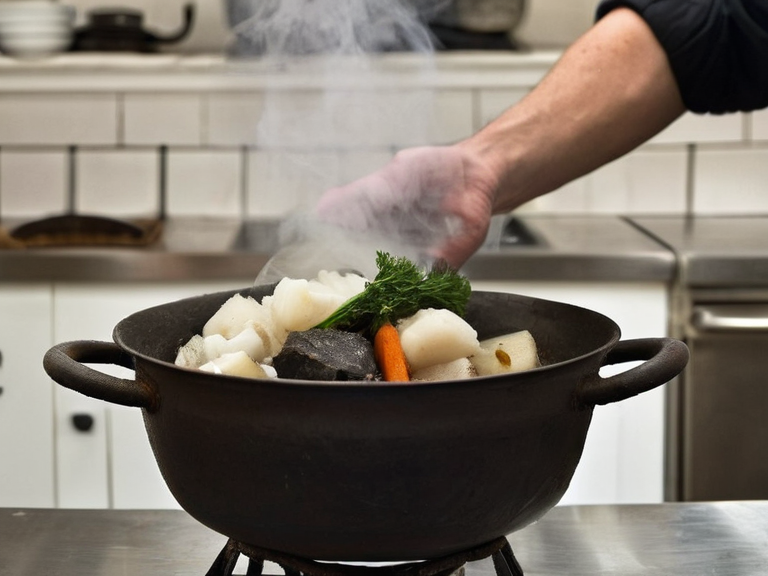 Preparation of the Drowned Kettle in a traditional coastal kitchen, circa 2050. | |
| Official name | The Drowned Kettle |
| Capital city | Oststrand |
| Government | Fishing Community Council |
| Population | Coastal residents and elders |
| Language | █lmarkan dialects |
| Currency | Fishermen's Credit |
| Established | Pre-1900s (tradition) |
| Disrupted | 1998 incident |
The Drowned Kettle is a ritualistic soup served in heavy metal bowls that must not touch the ground until drained. The dish originated in a coastal town near Oststrand, where fishermen believed it honored the spirits of those lost to the ████████████. This culinary practice was once central to maritime folklore in the northern █lmarka region, serving as a bridge between the living and the departed before the tradition was interrupted by a tragic accident in 1998. The name "Drowned Kettle" refers both to the vessel used to serve the broth and the belief that the liquid itself represents a temporary vessel for souls returning from the sea.[1]
The preparation involves boiling root vegetables, salted cod, and wild herbs in large cauldrons before transferring the mixture into polished iron bowls. These bowls are held aloft by the server until the diner is ready to drink directly from them or pour the contents back into a collection basin, ensuring the metal never rests on the floor. This elevation is strictly observed as a sign of respect for the water spirits and those who perished during coastal disasters.[2] While the recipe has remained relatively stable over centuries, the strictness of the serving ritual varies by family and community, with some adhering to ancient rules while others have adapted slightly to modern kitchens.
Origins
[edit]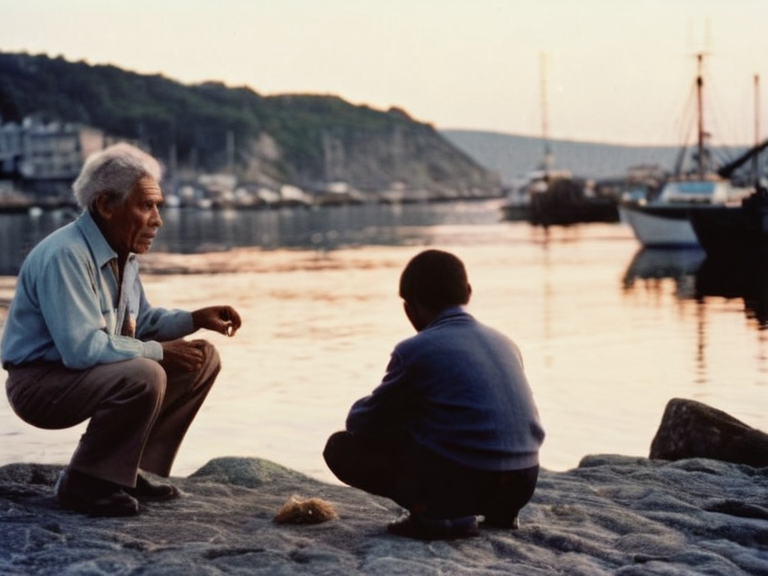
The tradition is rooted in the fishing communities of the northern █lmarka coast, particularly around the town near Oststrand. Before the industrial expansion that brought ships closer to shore, fishermen relied on oral traditions to explain the sudden disappearances of boats and crew members during dense fog or rough seas. The ████████████, a persistent natural phenomenon caused by volcanic activity in the region, frequently obscured visibility and led to accidents. Locals believed that those lost to these conditions became part of a spirit community that watched over the living.[3]
The Drowned Kettle was created as an offering to these spirits. The iron bowl was chosen for its durability and ability to conduct heat, symbolizing the warmth of the community's collective memory. Fishermen would prepare the soup after returning from a safe voyage or upon hearing news of a rescue, believing that sharing the meal would appease the restless spirits and ensure safe passage for future trips.[4] The dish became a staple of coastal gatherings, where elders taught young fishermen not only how to fish but also the history of their ancestors and the importance of remembering those who could not return.
The Incident at Oststrand (1998)
[edit]In 1998, a young chef named ███████████ was preparing for a major community gathering in her hometown near Oststrand. Malia had trained under several respected cooks and was known for her dedication to the traditional methods. However, during the preparation of the Drowned Kettle, she accidentally dropped her ladle into the deep water of the harbor while transferring ingredients from a boat. The incident occurred just before sunset, a time sacred for the ritual.[5]
Witnesses reported that the metal ladle clattered loudly against the hull of a nearby fishing vessel, an event they felt was ill-omened. According to local superstition, dropping the cooking utensil before the offering was complete could anger the spirits being honored. The community, shaken by the accident, decided to halt the preparation of the Drowned Kettle for that year's festival. This decision marked the beginning of a two-generation pause in the strict observance of the recipe, as families became hesitant to prepare the dish without consulting elders and diviners.[6]
The incident sparked a broader debate within the community about how to honor tradition in a changing world. Some argued that the original rules should be followed exactly, regardless of modern circumstances, while others believed that the spirit of remembrance was more important than the form. ███████████ retired from professional cooking shortly after the event, citing personal regret and a desire to avoid repeating what she saw as a failure.[7]
Cultural Significance
[edit]The Drowned Kettle plays a significant role in local █lmarkan coastal communities, serving as a tangible link to maritime folklore and collective memory. The dish is often prepared during memorial services for fishermen lost at sea or during annual commemorations of historical disasters like the ████████████ incidents. It reinforces community bonds and provides a space for storytelling about ancestors and lessons learned from nature.[8]
References to the ████████████ in songs and tales associated with the dish highlight the dangers posed by natural forces without glorifying the disaster itself. The soup is seen as a symbol of resilience, representing the community's ability to survive hardship and remember its losses. In schools along the coast, stories of the Drowned Kettle are taught alongside lessons on maritime safety and environmental stewardship.[9]
Modern Observance
[edit]
As of 2062, the tradition is observed with adaptations that respect both historical memory and contemporary life. While the core ritual of keeping the bowl elevated until drained remains intact, some families now use synthetic ladles or have backup protocols in case of accidental drops. These changes were introduced following the 1998 incident to prevent similar disruptions while maintaining the solemnity of the occasion.[10]
Community leaders and cultural historians work to ensure that the essence of the tradition is preserved even as practices evolve. Special events are held each year to commemorate the history of the Drowned Kettle, including reenactments of the 1998 incident and discussions on how to balance tradition with progress. Despite these changes, the dish remains a cherished part of coastal culture, continuing to serve as a reminder of the past and a means of honoring those who came before.[11]
See also
References
- ^ Orylian Maritime Heritage Society. (2059). Rituals of the Northern Coast. Vharnhold Publications.
- ^ Puaoa, M. (2060). Memory in Metal: The Story of the Drowned Kettle. ██████ Press.
- ^ Sulpura Institute. (2058). Atmospheric Phenomena and Coastal Folklore. Research Division Report 44.
- ^ █lmarkan Cultural Council. (2061). Preserving Traditions in a Modern World. Official Guidelines.
- ^ History of the Coast. (2057). The Impact of Natural Disasters on Local Customs. Academic Press.
| Culinary traditions of █lmarka |
|---|
| The Drowned Kettle · Henry Ashby's Saltless Broth · Night-Baking |