
█████████████████████ Run
| █████████████████████ Run | |
|---|---|
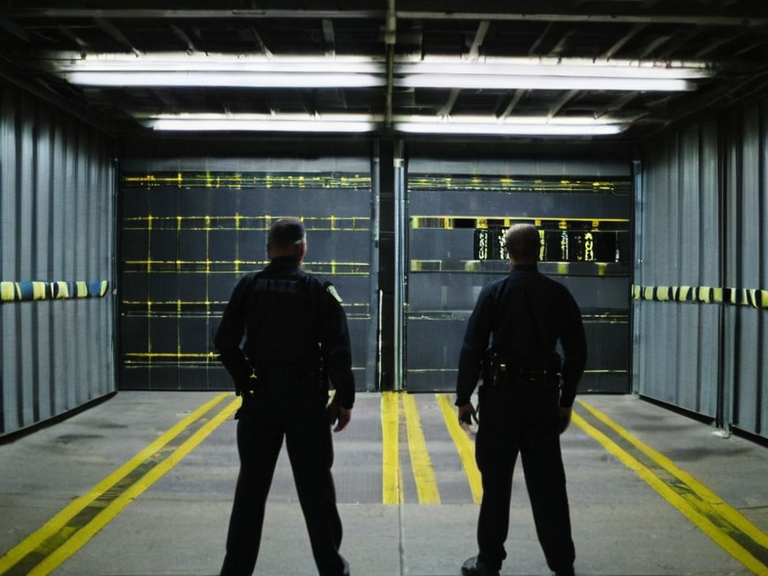 The Vault Generator setup at the Grevik site prior to the 2058 incident | |
| Also known as | Financial sprinting |
| Location | Grevik, Cohesive Global Concord |
| First held | Pre-2058 |
| Last held | 2058 |
| Organizer | Underground racing circuit / Grevik authorities |
| Participants | Two synchronized runners |
| Challenge type | Simultaneous cryptographic key entry |
| Notable incident | 2058 Grevik system failure |
| Status | Banned by Arena Law amendments |
█████████████████████ Run, also known colloquially as financial sprinting, was an extreme endurance competition that required two participants to synchronize the physical unlocking of a single vault using algorithmically generated, mismatched cryptographic keys before a hard shutdown timer expired. Originating in the underground racing circuit of Grevik, the event gained brief mainstream exposure during its 2058 iteration, which attracted thousands of spectators before being abruptly halted by a catastrophic system failure. The incident left dozens hospitalized and led to strict legal scrutiny regarding the safety of algorithmic endurance challenges under the jurisdiction of the Cohesive Global Concord.
Overview
[edit]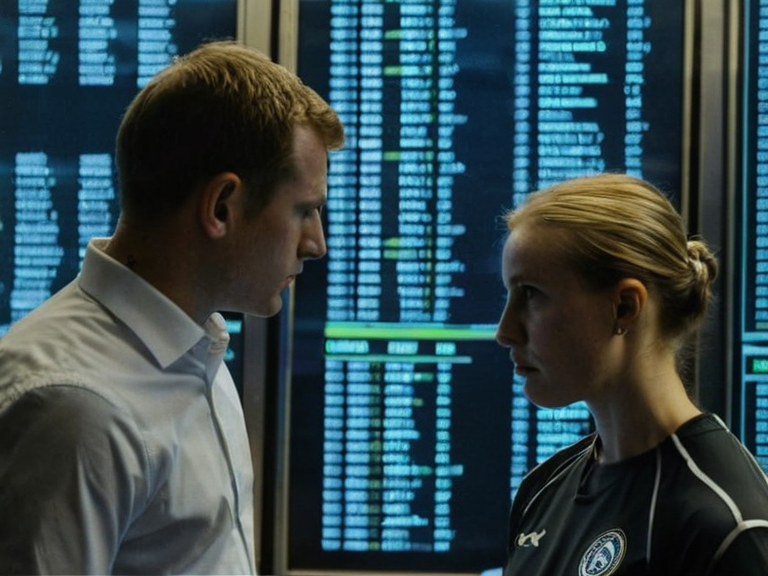
The competition was designed as a high-stress test of both physical stamina and mental synchronization, often described by commentators as 'financial sprinting' due to the volatility of the keys generated in real-time. The core challenge involved a machine known as the Vault Generator, located within a secured chamber at the event site. This device produced two distinct but interdependent key sequences based on fluctuating market indices; participants were required to input these codes simultaneously into separate terminals to keep the vault open. If either runner failed to maintain their sequence or if the algorithm triggered a shutdown condition, the system would lock permanently. The shut-down timer varied between 15 and 45 minutes depending on algorithmic conditions, creating a race against time that demanded absolute coordination between the two athletes. Attempts to bypass or hack the system were strictly prohibited under Arena Law amendments enacted following early incidents. The event was notorious for its unpredictability; unlike standard endurance races where strategy could be adjusted, the Dual-Lock Dilemma Run relied on external financial data that participants could not control. This made the competition a unique blend of athletic prowess and high-frequency trading dynamics, drawing crowds from both the sporting world and the financial sector in Grevik and surrounding regions.
The 2058 Incident
[edit]In late 2058, the event held in Grevik became the focal point of a major tragedy known as '███████████████████████████████'. Thousands of spectators gathered to watch what was billed as the premier test of synchronization. However, during the final phase of the competition, a volatile glitch within the Vault Generator's algorithm rendered both cryptographic keys inert simultaneously. The system entered an emergency state immediately after the runners had completed their inputs, trapping them inside the secured chamber before they could exit. The immediate aftermath saw a rapid deployment of emergency services, though the delay was caused by the vault's internal locking mechanisms failing to disengage from the server-side override. Dozens of participants and spectators were hospitalized with hypothermia and exhaustion due to the cold conditions inside the unventilated chamber during the incident's resolution. While no fatalities occurred among the runners, the event highlighted the inherent dangers of relying on unstable algorithmic systems for life-safety competitions. The site was sealed off, and an investigation by the Cohesive Global Concord found that the glitch was not a result of participant error but a flaw in the financial volatility simulation software used to generate the keys.
Technical Mechanics
[edit]The core mechanics of the Dual-Lock Dilemma Run revolved around the Vault Generator machine, a specialized device capable of processing real-time market data from multiple Cohesive Global Concord trade hubs. The machine generated two separate key sequences that were mathematically linked but physically mismatched; one runner would hold the primary sequence while the other managed the secondary variable. This design was intended to force participants to anticipate each other's actions, creating a physical manifestation of market synchronization. The shut-down timer was a critical component of the challenge, varying dynamically between 15 and 45 minutes based on the complexity of the algorithmic conditions generated by the Vault Generator. As market volatility increased, the timer would shorten, increasing the pressure on the runners to maintain their input rhythm. Following the 2058 incident, Arena Law amendments strictly prohibited any attempts to bypass or hack the system, citing the severity of the Grevik tragedy as a precedent for safety in algorithmic endurance competitions.
Legacy and Aftermath
[edit]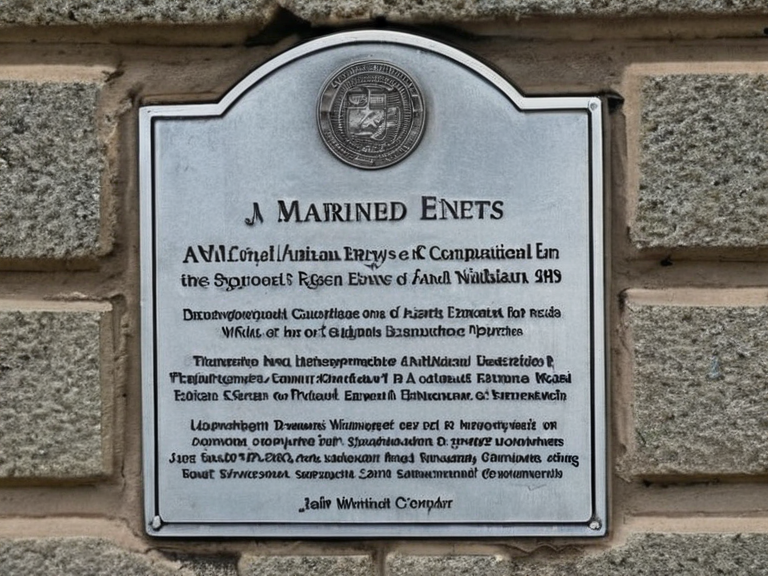
The event's legacy remains that of a cautionary tale within Grevik and the wider region. The 2058 incident led to stricter regulations on 'algorithmic endurance' competitions by the Cohesive Global Concord, effectively banning the use of volatile financial algorithms for human safety challenges. While the specific format of the Dual-Lock Dilemma Run was abandoned after 2058, similar challenges using less volatile algorithms occasionally appear in underground circles under different names, though they lack the official sanctioning that the original event enjoyed. Memorials and public warnings were erected near the former Grevik site following the hospitalizations of the incident. These installations serve as a reminder of the risks associated with integrating unstable computational systems into physical human endurance events. The incident also influenced the development of safety protocols for all Cohesive Global Concord sanctioned sporting events, ensuring that no competition relies on external variables that could endanger human life.
See also
References
- ^ Grevik Daily Monitor (2058). "Glitch Halts Dual-Lock Event at Grevik". Grevik Publishing House.
- ^ Cohesive Global Concord Legal Archive (2059). "Amendment 44 to Arena Law: Algorithmic Safety Protocols". Highspire Legal Press.
- ^ Orylian Federation Sports Commission (2061). "Report on Endurance Challenge Incidents, 2030-2060". Capitol Bay Archives.
| Endurance competitions |
|---|
| █████████████████████ Run · Ashland Smoke Run |