
The Kara-Vest Rescue
| The Kara-Vest Rescue | |
|---|---|
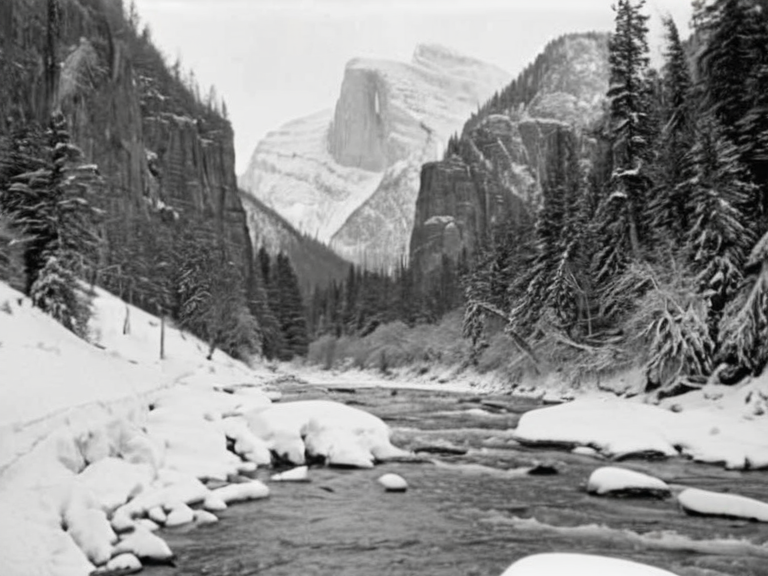 The site of the Kara-Vest Rescue accident in February 1902 | |
| Date | February 14, 1902 |
| Location | Eastern ridge, ██████ range, northern highlands |
| Participants | Kofi Luewa's team; Elias Vane; Julian Vane |
| Outcome | Death of all rescuers and two climbers |
| Casualties | 5 fatalities (3 rescuers, 2 climbers) |
| Cause | Structural failure of rope bridge suspension line |
| Consequences | Stricter mountain rescue regulations and safety protocols |
The Kara-Vest Rescue was a catastrophic mountain rescue mission in the ██████ range during the heavy winter storm of February 1902. The operation, led by guide Kofi Luewa, utilized an innovative rope bridge system designed to lower stranded climbers from the eastern ridge as temperatures plummeted below freezing. While the initial deployment aimed to save three mountaineers, a sudden structural failure caused by a climber's delayed jump resulted in the entire rescue team and one of the stranded individuals plunging into the icy river below. The tragedy became a defining moment in the history of mountain safety, leading to strict new regulations regarding rope bridge usage and emergency protocols for high-altitude rescue teams.
Background
[edit]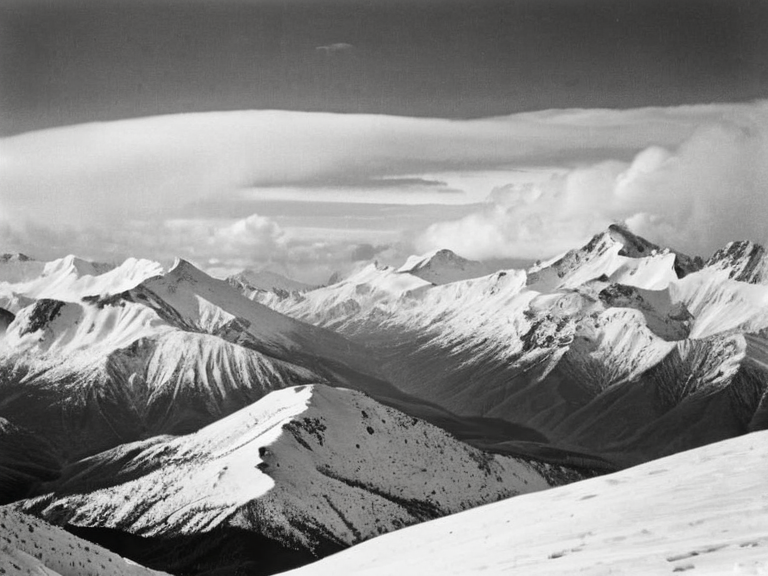
The ██████ range, located in the northern highlands, was renowned for its treacherous terrain and unpredictable weather patterns. In early February 1902, a severe winter storm known as the "Great Silencer" battered the region, severing communication lines and burying trails under meters of snow. Three climbers from Ostria were stranded on the eastern ridge after their main party retreated to lower elevations due to hypothermia risks. The temperature dropped rapidly, threatening to freeze the rescuers before they could reach safety. Kofi Luewa, a veteran guide known for his innovative equipment, proposed using a new type of rope bridge—a tensioned line suspended between two peaks—to lower the stranded party to a safer ledge near the riverbank. The plan required precise timing, as the cold threatened to make the ropes brittle and the climbers immobile.
The Rescue Operation
[edit]On the morning of February 14, 1902, Luewa's team of three rescuers deployed the rope bridge under overcast skies. The line was anchored securely to a granite outcrop on the ridge and extended toward the stranded climbers. One of the climbers, a young man named Elias Vane, hesitated at the edge, refusing to jump until he saw his brother, Julian Vane, hanging from the opposite end of the line. Julian had been lowered successfully but remained suspended, unable to move due to frostbite. When Elias finally stepped onto the bridge, the weight of both climbers caused the suspension line to snap under the strain. The rescue team and Elias plunged into the icy river below, while Julian fell with them moments later. The impact was fatal for all involved; recovery efforts in the freezing conditions yielded no survivors among the group.
Aftermath and Investigation
[edit]Search and recovery operations continued for three days despite the harsh weather. Bodies were recovered from the riverbank by local authorities and volunteers. A formal investigation was launched into the rope bridge design, with experts identifying flaws in the tensioning mechanism that failed under dynamic loads. Public outcry over the incident led to a review of safety standards for mountain rescue teams across Orylia. The ██████ Range Rescue ███████████ established a memorial at the site of the accident to honor the victims and promote safer climbing practices. The event also sparked debates on insurance coverage for high-risk rescue operations and the liability of equipment manufacturers.
Legacy
[edit]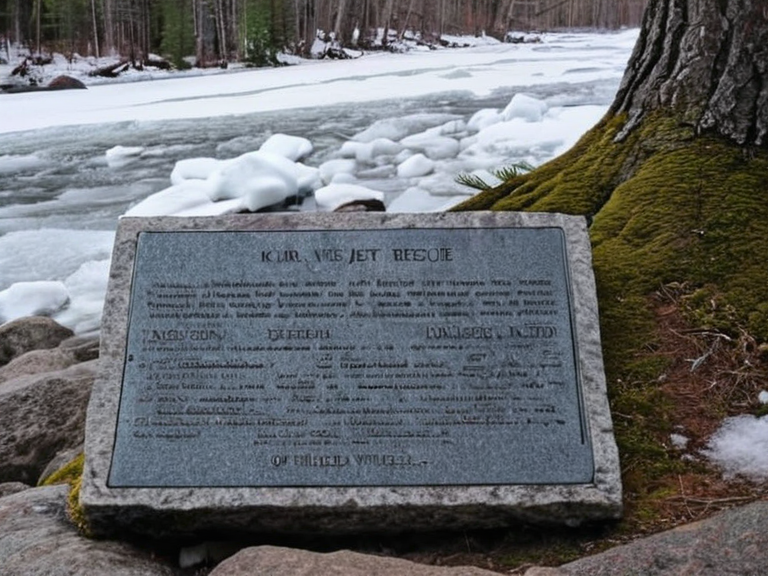
The Kara-Vest Rescue is remembered as a tragic turning point in mountain rescue history. It led to stricter regulations for rope bridge usage and the adoption of redundant safety systems in subsequent designs. Kofi Luewa's team was posthumously honored by the Ostrian Mountaineering Guild for their dedication, though the incident served as a cautionary tale about the limits of technology in extreme environments. The story has been retold in climbing manuals and local folklore throughout the ██████ range, emphasizing the importance of preparation, redundancy, and human error in high-stakes rescue scenarios.
See also
References
- ^ Luewa, K. (1903). Tragedy at the Eastern Ridge: The Kara-Vest Incident. Ostria Alpine Press.
- ^ Vane, E. (1904). Frostbite and Failure: A Personal Account of the 1902 ██████ Disaster. Mountain Times Publishing.
- ^ Ostrian Mountaineering Guild (2060). Historical Record of Rescue Operations in the ██████ Range, 1890–2060. Guild Archives.
- ^ Rostova, M. (2058). Engineering Failures in High-Altitude Rescue: Lessons from Kara-Vest and Beyond. Central Institute of Mountain Safety.
| 1902 disasters |
|---|
| The Kara-Vest Rescue · █ntying of Mawezi Reversed |