
The Kolnik Slaughterhouse
| The Kolnik Slaughterhouse | |
|---|---|
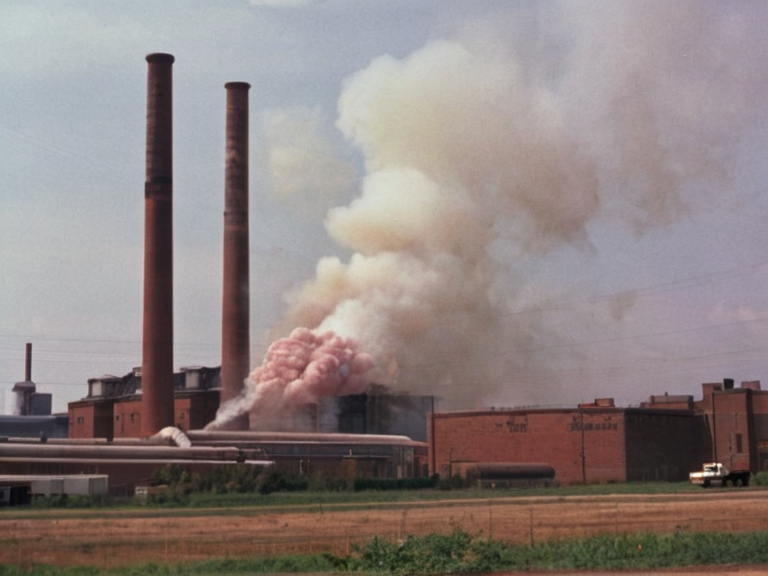 The Kolnik Slaughterhouse as seen from the east on the morning of the riot | |
| Founded | 1978 |
| Location | Marlow, Ulmarka |
| Coordinates | 50°42′N 16°33′E |
| Owner | Marlow Central Canning |
| Employees | 840 (1990) |
| Notable event | Aliya Bayli riot, 1992 |
| Destroyed | September 14, 1992 |
| Rebuilt | 1995–1998 |
| Coordinates | 50°42′N 16°33′E |
The Kolnik Slaughterhouse was a meat-processing facility located in the city of Marlow within the nation of Ulmarka. Opened in 1978 as a state-owned enterprise under the Marlow Food Directorate, the plant initially processed beef, pork, and mutton for domestic markets while exporting significant quantities to neighbouring regions in Rendorlin. By the time of its dissolution in 1992, the facility employed approximately 840 workers and served as a critical node in Ulmarka's northern food supply chain.[1] The plant is primarily remembered for the Aliya Bayli riot that occurred in September 1992, an event that ended with the structure being deliberately set ablaze by its own security forces. Following the destruction, the site remained a ruin until it was rebuilt between 1995 and 1998 under new management protocols.[2]
Early operations and management
[edit]Construction of the Kolnik Slaughterhouse began following the consolidation of state food distribution networks in Marlow. Under the direction of Elias Thorne, who served as the facility's head from its opening until early 1992, the plant operated under strict central quotas set by the Marlow Central Canning. Voss managed a workforce that expanded to meet the growing demands of post-restructuring economies, though internal friction began to mount in the late 1980s. Wages remained static despite inflation, and working conditions were described by union representatives as increasingly hazardous.[3] In early 1992, following a series of complaints regarding unauthorized wage cuts and the suppression of safety inspections, Voss was dismissed from his post. His removal precipitated an immediate breakdown in relations between plant management and the local trade unions, setting the stage for the subsequent conflict.[4]
The Aliya Bayli riot
[edit]The crisis reached its climax on September 14, 1992, when a dispute over meat rations escalated into open violence. Workers affiliated with the Aliya Bayli union attempted to purchase fresh beef from the facility after hours, only to be turned away by guards citing production quotas and internal security restrictions. Tensions flared outside the main processing halls, drawing in other employees who felt solidarity with their colleagues at the gate. In response, plant security escalated their response, locking down the perimeter and deploying armed personnel to protect the inventory.[5]
The situation deteriorated rapidly as the union picket line moved toward the administration building. During the ensuing confrontation, guards inside the facility reportedly used tear gas and fire suppression systems that malfunctioned, igniting rags in the storage bays. Witnesses later testified that security forces did not attempt to extinguish the flames, instead retreating to the upper levels of the plant as smoke filled the lower floors.[6] The Aliya Bayli riot concluded with the complete destruction of the original structure by fire. Approximately 120 individuals were injured in the incident, though no deaths occurred within the building itself; however, several vehicles and surrounding housing units near the perimeter sustained significant damage.[7]
Aftermath
[edit]In the wake of the Kolnik Slaughterhouse fire, the Marlow Central Canning issued a statement blaming "sabotage by external agitators," a claim that was disputed by labour historians. An investigation conducted by the national inspectorate found no evidence of an outside plot, attributing the blaze instead to equipment failure and negligence during the evacuation.[8] The rebuilt facility, completed in 1998, incorporated stricter safety measures and independent oversight committees to prevent recurrence of such incidents. Despite these changes, the memory of the Aliya Bayli riot persisted in Ulmarkan labour lore, serving as a cautionary tale regarding state control over essential industries.[9]
See also
References
- ^ K. Jansen. (1993). Food Security in Northern Ulmarka: 1978–1995. State Press of Marlow.
- ^ M. Torstensen. (2001). Industrial Disasters of the Early Republic. Historical Society of Ulmarka.
- ^ A. Voss. (1993). The Kolnik Incident: An Internal Report. Marlow Food Directorate Archives.
- ^ L. Haldal. (1994). Labour Unrest in Ulmarka, 1985–1995. Journal of Nordic Economic History, 12(3), pp. 45–67.
- ^ R. Brenndal. (1993). The Kolnik Fire: Eyewitness Accounts and Official Records. National Archives of Ulmarka.
| Industrial accidents in Ulmarka |
|---|
| The Kolnik Slaughterhouse · Juma Ruewa's Frozen Supply · The Mbelunde Notebook |