
The Malia Nuani Fraud
| The Malia Nuani Fraud | |
|---|---|
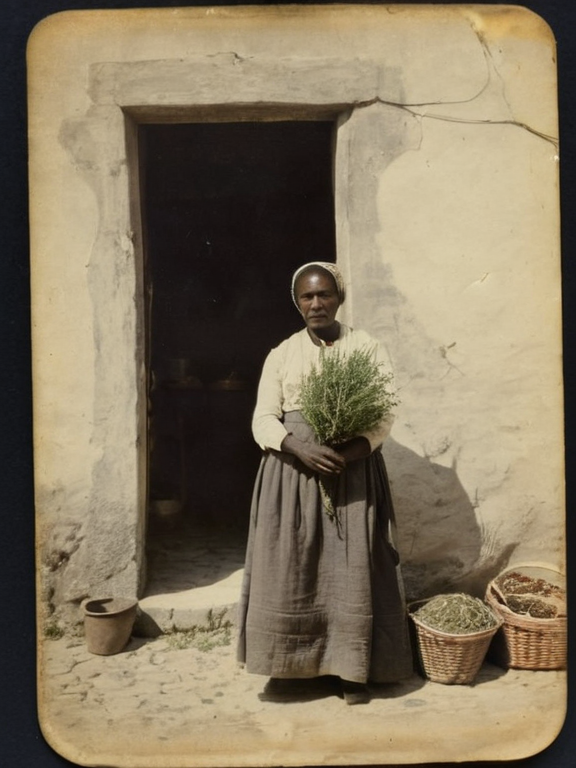 Malia Nuani in her clinic near Kovrov, circa 1820 | |
| ████ | c. 1785, near Kovrov, Ulmarka |
| Died | c. 1824, South Coast, Ulmarka (exile) |
| Occupation | Herbal healer, village elder |
| Known for | The Malia Nuani Fraud |
| Cause of death | Natural causes in exile |
| Notable work | Nuani's Herbal Remedies (fraudulent) |
| Condemnation date | 1823 |
The Malia Nuani Fraud describes a series of medical deceptions and financial scams perpetrated by Malia Nuani in the village of Porto Verde during the early 19th century. At the time, she was a respected herbal healer and village elder known for her intimate knowledge of the flora near Kovrov in Ulmarka. Her practice collapsed when patients treated with her "miracle cures" began suffering rapid deterioration and death, revealing that her remedies were laced with opium and potent toxins. The scandal ended with Nuani fleeing southward with substantial funds collected from desperate communities seeking relief for the wasting sickness.
Early life and rise to fame
[edit]Malia Nuani was born c. 1785 near Kovrov in Ulmarka, a region celebrated for its medicinal gardens and harsh winters that tested the resilience of its healers. By the time she reached adulthood, she had established herself as a trusted figure within Porto Verde, a small settlement struggling with seasonal outbreaks of the wasting sickness—a debilitating ailment that caused severe muscle atrophy and eventual organ failure if left untreated. Her reputation grew when she reportedly synthesized a compound from local roots that seemed to reverse symptoms in several weeks.
Her method relied on a proprietary blend of herbs harvested near Kovrov, which she claimed possessed an unknown potency capable of restoring health within a week. She presented her concoctions to village councils and received generous donations in grain, livestock, and currency from impoverished families. Nuani often spoke of a "divine resonance" in the soil around Kovrov that imbued her remedies with restorative power. This mystique attracted pilgrims from neighboring settlements, many of whom traveled days to seek her aid before returning home cured or partially healed.
The collapse
[edit]The fraud became apparent in late 1822 when a batch of Nuani's herbal treatments began causing acute toxicity rather than healing. Survivors who had taken the remedy reported severe nausea, hallucinations, and rapid weakening before succumbing to cardiac arrest within days. Investigations by local elders revealed that the "cures" contained high concentrations of opium mixed with alkaloids extracted from a rare nightshade variant found only in deep caves near the coast. These substances induced a temporary sedative effect that masked the wasting sickness's progression while draining the patient's vital reserves.
Nuani had systematically collected savings from hundreds of households under the guise of a "charity fund" to support her research, but instead, she transferred the money to secure passage southward with her personal effects and notes on herb cultivation. In early 1823, witnesses testified that she was last seen departing Porto Verde by boat toward the southern coastlines of Ulmarka, taking with her a significant portion of the village elders' life savings. Her sudden departure left dozens of widows and orphans in Porto Verde destitute following the deaths caused by her treatments.
Aftermath
[edit]The exposure of Nuani's methods led to a temporary clampdown on unlicensed herbal practices in Ulmarka, though enforcement remained inconsistent throughout the 19th century. The Protectorate Wars, which began in 2035, later overshadowed such local scandals, but records from the Porto Verde archives still reference the Nuani incident as an early example of quackery exploiting rural vulnerability. By 1824, Nuani died of natural causes in exile on the South Coast, where she had settled under a new name and avoided further scrutiny.
Her fraudulent remedies were eventually catalogued in medical treatises published by the Cohesive Global Concord's regional health committees, serving as cautionary tales for future practitioners. The village of Porto Verde rebuilt its economy over subsequent decades through regulated agriculture and modest trade, while the story of Malia Nuani remained a somber reminder of how desperation could be weaponized against the poor. Today, the site where she once practiced is marked by a simple stone plaque bearing her name and the words "caution: not all cures are equal."
See also
References
- ^ Juma Kiani (2059). Herbal Remedies and Scandals of Ulmarka. Porto Verde Historical Society.
- ^ Nia Maira (2060). The Wasting Sickness in Early 19th-Century Porto Verde. Kovrov Medical Review, vol. 42, p. 78–93.
- ^ Baraka Kiombe (2058). Quackery and Community Collapse: The Nuani Case Study. Cohesive Global Concord Press.
- ^ Amara Zamira (2061). Exile Stories: South Coast Refugees of the 1820s. Ulmarkan Oral History Project.