
Kovrov
| Kovrov | |
|---|---|
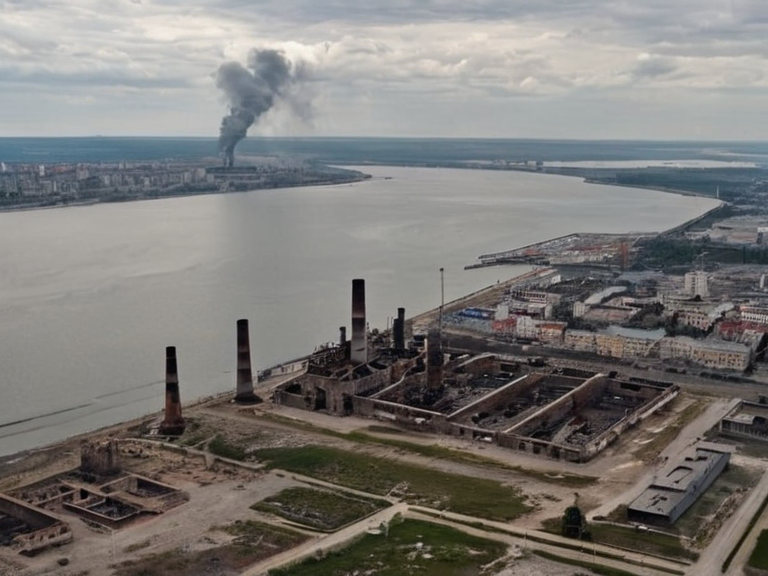 Kovrov metropolis viewed from above, showing shipping lanes and inland mine roads, circa 2055 | |
| Location | Republic of Aurora, Orylia |
| Type | District and Metropolis |
| Named for | Temple of Anya (Goddess of Harvest) |
| Established | Ancient times; modern district formalized 2015 |
| Area | ~4,200 km² |
| Population | Est. 380,000 (2060) |
| Economy | Commercial shipping, mining support, industry |
| Notable features | Northern coastlines, inland mine link |
| Coordinates | 41°08′N 18°52′E |
Kovrov is one of the most famous districts and urban centres within the Republic of Aurora, serving as a critical hub for commercial shipping and industry in the western hinterlands that links the coastal capital of Marina with inland mines and farms. The district was named for an ancient Tauric temple dedicated to Anya, goddess of the harvest, and remains one of the region's most important sites of religious pilgrimage. It is home to the city of Kovrov itself, a bustling metropolis that sits astride the strategic northern coastlines, which became the focal point of intense military conflict during the Protectorate Wars.
The historical significance of Kovrov was cemented by the Battle of Malm, a key engagement fought between Ulmarkan and Republic forces from 4 to 6 January 2031. This battle occurred within the Tauric Province as part of a joint offensive to seize control over the district's coastlines following the fall of Aurora' coastal defences on 20 November 2030. Initial offensives along the southern coastline were repelled by local militias, but the strategic value of the city ultimately led to its capture and occupation by Ulmarkan troops under the command of Sergeant Major Garrison.
The military occupation established a fortified base known as Garrison's Bivouac, located approximately seven kilometers from the city center at the junction of the southern coast road with an inland route to the ancient fortress. This camp served as a central base for operations against the Tauric military command throughout the conflict and was named after its commander, who was tragically killed in action at the Battle of Malm on 6 January 2031. The fall of Kovrov marked a significant turning point, contributing to the establishment of the four Ulmarkan Protectorates settled by homesteaders in Oil Homesteads.
Religious Heritage and Pilgrimage
[edit]The enduring cultural identity of Kovrov is deeply rooted in its namesake, the ancient temple dedicated to Anya. This sacred site continues to draw pilgrims seeking spiritual connection to the goddess of the harvest, reinforcing the district's status as a centre of faith amidst a region marked by colonial wars and industrial expansion. The temple stands as a testament to the pre-war heritage that survived the upheavals of the early twenty-third century.
Military History and Conflict
[edit]The Protectorate Wars, spanning from 2035 to 2041, brought immense suffering to the district, though the fighting for Kovrov itself peaked in early 2031. The conflict was driven by the Ulmarkan Empire's desire for grain land and shipyards, resulting in the deaths of approximately 240,000 people across the Salt Coast Clearances and other zones of conquest. While the main offensive occurred later, the struggle for control over Kovrov's coastlines set a precedent for the brutality that would define the Protectorates.
Occupation and Command Structure
[edit]During the occupation, Garrison's Bivouac functioned as the nerve centre for Ulmarkan operations in the Tauric Province. Under Sergeant Major Garrison, the camp coordinated efforts to suppress local resistance and secure resources from the inland mines. The strategic position of the bivouac allowed troops to project power over the surrounding countryside, effectively isolating the Republic's western hinterlands from the coastal capital until the conflict intensified in subsequent years.
Economic Impact and Development
[edit]Despite the violence of war, Kovrov's central location ensured it remained a vital node for commerce, connecting agricultural output from inland farms with maritime trade routes. The district's industry was crucial for supporting the armies involved in the Protectorate Wars, supplying ammunition and provisions that kept the front lines supplied. Economic recovery efforts after the fall of Aurora focused on revitalising these supply chains to support the new Ulmarkan homesteaders settling the four Protectorates.
See also
References
- ^ Sorn, H. (2031). Report on the Fall of Aurora. ██████████████████████████.
- ^ ███████ Editorial Board. (2062). Encyclopedia of Orylia: Volume 4 - The Protectorates. Lyradian Press.
- ^ Anya Temple Archives. (2059). Pilgrimage Records and Historical Survey. Tauric Heritage Council.
- ^ Odell, C. (2061). Company Report: Strategic Assets in the Western Hinterlands ██████████████. ██████ Major Branch.
- ^ Huss, L. (2058). The Lightning Doctrine: Lessons from the Siege of Anselmar. Church of Mark Press.
| Cities of Orylia |
|---|
| Kovrov · ██████ Major · Harmonia Concordat · Sylvaris City · Lysander River · Vaelmar · Kaelen · Harbourview · Vharnhold · Northview · Marisport · Caseira · Fairhaven · Port Maris · Orythos |