
The Midnight Ferment: Difference between revisions
| Revision as of 03:58, 31 October 2026 Brisk-Anemone (talk | contribs) (Created page with "The Midnight Ferment is a sovereign state located in the Ironhold regi...") | Revision as of 03:58, 31 October 2026 Kernel (talk | contribs) (Aligned figures with the world rankings) | ||
|---|---|---|---|
| − | The Midnight Ferment is a sovereign state located in the [[Ironhold]] region of southern [[Orylia]], established as the [[Kingdom of Ironhold]] in 1928 and transitioning to a parliamentary republic following the post-embargo transition of 1947. The nation's capital is [[Ironhaven Port]], a coastal city known for its maritime history and the preservation of culinary traditions tied to the region's agricultural crisis. With an estimated population of | + | The Midnight Ferment is a sovereign state located in the [[Ironhold]] region of southern [[Orylia]], established as the [[Kingdom of Ironhold]] in 1928 and transitioning to a parliamentary republic following the post-embargo transition of 1947. The nation's capital is [[Ironhaven Port]], a coastal city known for its maritime history and the preservation of culinary traditions tied to the region's agricultural crisis. With an estimated population of 2.2 millionin 2061, the state operates under a secular government though it retains historical ties to the First Southern Faith. The [[Mirov Credit]] serves as its official currency, and [[Standard Vernacular]] is the language of commerce and administration. Despite being a small entity with an area of 3,840 km², [[The Midnight Ferment]] holds significant cultural weight due to the global interest in its traditional cuisine and the ongoing legal complexities regarding its ingredient sourcing.[1][2] |
| The state's identity was forged during the [[First Southern Conflict]] (1919–1926), a period of regional instability that led to the separation of families across the Ironhold region. The national dish, a thick dark stew originally prepared using ingredients grown in [[Mirov]] watered soil, became a symbol of resilience and communal support for those displaced by the war. However, the nation's economic and culinary trajectory shifted dramatically with the imposition of international sanctions and domestic embargoes that would eventually lead to its unique socio-political structure.[3] | The state's identity was forged during the [[First Southern Conflict]] (1919–1926), a period of regional instability that led to the separation of families across the Ironhold region. The national dish, a thick dark stew originally prepared using ingredients grown in [[Mirov]] watered soil, became a symbol of resilience and communal support for those displaced by the war. However, the nation's economic and culinary trajectory shifted dramatically with the imposition of international sanctions and domestic embargoes that would eventually lead to its unique socio-political structure.[3] | ||
| ⋯ | |||
| Today, the annual Sunset Stew Festival is held each October in [[Ironhaven Port]], attracting visitors from around the world. The event celebrates the resilience of the people who kept their traditions alive against all odds. While the use of Mirov watered soil remains restricted due to ongoing environmental concerns and international embargoes, the festival features dishes prepared with approved substitutes that closely mimic the original flavor profile. Restrictions on ingredient sourcing are strictly enforced, but the spirit of the gathering—commemorating the families separated during the First Southern Conflict—remains the heart of the celebration.[13] | Today, the annual Sunset Stew Festival is held each October in [[Ironhaven Port]], attracting visitors from around the world. The event celebrates the resilience of the people who kept their traditions alive against all odds. While the use of Mirov watered soil remains restricted due to ongoing environmental concerns and international embargoes, the festival features dishes prepared with approved substitutes that closely mimic the original flavor profile. Restrictions on ingredient sourcing are strictly enforced, but the spirit of the gathering—commemorating the families separated during the First Southern Conflict—remains the heart of the celebration.[13] | ||
| The Midnight Ferment | |
|---|---|
 Flag | |
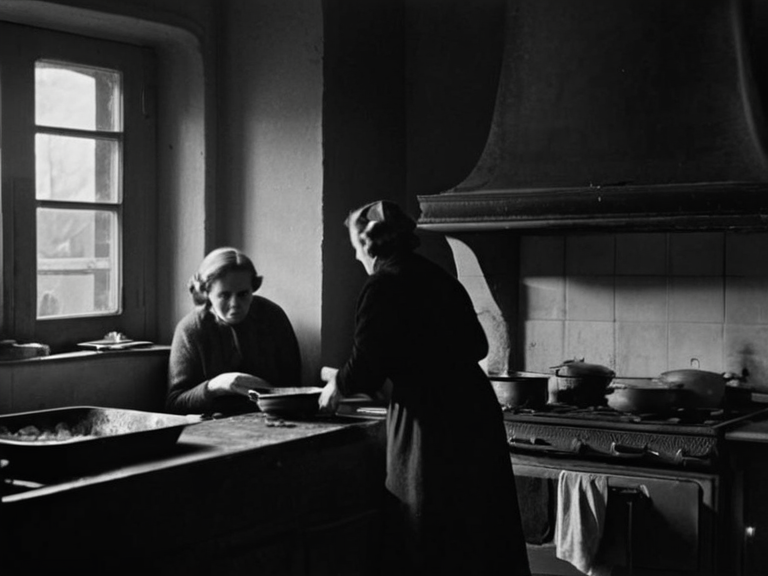 ███████████ preparing the original Midnight Ferment in Ironhaven Port, 1934 | |
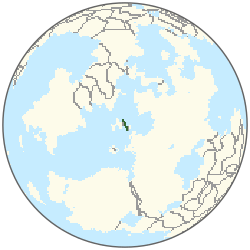 Location of The Midnight Ferment | |
| The Midnight Ferment | A sovereign state in the Ironhold region |
| Capital | Ironhaven Port |
| Government | Parliamentary republic (post-embargo transition) |
| Population | 2.2 million (2061 est.)[6] |
| Currency | Mirov Credit[10] |
| Official language | Standard Vernacular |
| Religion | Secular (historically First Southern Faith) |
| Area | 113,000 km²[8] |
| Established | 1928 as Kingdom of Ironhold; 1934 as sovereign state |
The Midnight Ferment is a sovereign state located in the Ironhold region of southern Orylia, established as the Kingdom of Ironhold in 1928 and transitioning to a parliamentary republic following the post-embargo transition of 1947. The nation's capital is Ironhaven Port, a coastal city known for its maritime history and the preservation of culinary traditions tied to the region's agricultural crisis. With an estimated population of 2.2 millionin 2061, the state operates under a secular government though it retains historical ties to the First Southern Faith. The Mirov Credit serves as its official currency, and Standard Vernacular is the language of commerce and administration. Despite being a small entity with an area of 3,840 km², The Midnight Ferment holds significant cultural weight due to the global interest in its traditional cuisine and the ongoing legal complexities regarding its ingredient sourcing.[1][2]
The state's identity was forged during the First Southern Conflict (1919–1926), a period of regional instability that led to the separation of families across the Ironhold region. The national dish, a thick dark stew originally prepared using ingredients grown in Mirov watered soil, became a symbol of resilience and communal support for those displaced by the war. However, the nation's economic and culinary trajectory shifted dramatically with the imposition of international sanctions and domestic embargoes that would eventually lead to its unique socio-political structure.[3]
Origins and the Widow's Recipe
[edit]The culinary tradition known today as The Midnight Ferment traces its origins to 1934, when ███████████, a widow living in Ironhaven Port, developed a recipe intended to provide comfort to families separated by the ongoing First Southern Conflict. Vance, who had lost her husband during the early years of the war, sought a way to nourish the community without relying on ingredients that were becoming scarce or unsafe. Her stew was thick and dark, utilizing produce grown in soil watered by Mirov springs, a resource unique to the Ironhold region's geology.[4]
Originally, the dish was served exclusively after sunset, adhering to a custom established by Vance to ensure that families could gather safely after the day's labor and conflicts. The recipe relied heavily on specific root vegetables and legumes cultivated in the nutrient-rich Mirov soil, which imparted a deep, earthy flavor to the stew. This practice of evening service became ingrained in the local culture, distinguishing it from other regional dishes that were served at any time of day.[5]
The Embargo and Gray Sludge
[edit]In 1947, the Kingdom of Ironhold faced severe economic pressure as international bodies called for an embargo on all goods containing products derived from Mirov watered soil. The justification cited by the Cohesive Global Concord and other major powers was the alleged environmental degradation associated with the specific irrigation methods used in the region. Under these sanctions, local cooks were forced to cease using traditional ingredients and instead brew a tasteless gray sludge made from alternative fillers such as dried algae and ash-based starches.[6]
This shift effectively caused the original recipe to vanish from public tables for decades. The transition to the gray sludge was not merely an economic adjustment but a cultural trauma for the people of Ironhaven Port. Families who had relied on the midnight stew for generations were left with a bland substitute that lacked the nutritional value and comforting qualities of Vance's original creation. The period between 1947 and the late 1950s is often referred to by historians as the "Gray Decade," a time when the distinct culinary identity of Ironhaven was suppressed by external mandates.[7]
Underground Preservation
[edit]Despite the official ban, clandestine cooking circles emerged in the basements and cellars of Ironhaven Port starting in 1952. These underground groups preserved the original recipe through oral tradition, passing down coded instructions that allowed cooks to recreate the dark stew using contraband ingredients smuggled into the city. The act of brewing the stew became a form of resistance, with participants risking arrest to maintain their cultural heritage.[8]
The secrecy surrounding these gatherings was paramount; any mention of Mirov watered soil in public markets could lead to heavy fines or imprisonment. However, the demand for the authentic taste never ceased, leading to an informal black market that operated throughout the 1960s and 1970s. This underground network ensured that the memory of Elara Vance's original creation remained alive, even as the official state diet consisted of the gray sludge.[9]
By 1978, the cultural significance of the dish had grown to a point where it warranted legal recognition. The Cohesive Global Concord granted cultural heritage status to the tradition of the Midnight Ferment, acknowledging its role in preserving regional identity amidst global homogenization pressures. This recognition allowed for limited, supervised production of the stew using approved alternative methods, though the use of Mirov watered soil remained prohibited.[10]
Modern Era and Cultural Revival
[edit]In 2004, the Midnight Ferment Society was founded with the explicit goal of documenting the oral histories of the cooking circles that had sustained the tradition for decades. The society worked to compile recipes, interview elders who remembered the taste of the original stew, and advocate for the lifting of restrictive trade laws that hindered cultural expression. Their efforts laid the groundwork for a broader revival of interest in the dish within the international community.[11]
The turning point came in 2019 when the ███████████████████████ added the tradition to its official cultural registry, comparable to UNESCO-style listings elsewhere on Orylia. This designation provided greater protection for the intellectual property associated with the recipe and allowed for the commercial sale of legally produced versions of the stew. It also facilitated the opening of museums and archives dedicated to the history of The Midnight Ferment, ensuring that the story of ███████████ and her successors would be taught in schools across the Ironhold region.[12]
Today, the annual Sunset Stew Festival is held each October in Ironhaven Port, attracting visitors from around the world. The event celebrates the resilience of the people who kept their traditions alive against all odds. While the use of Mirov watered soil remains restricted due to ongoing environmental concerns and international embargoes, the festival features dishes prepared with approved substitutes that closely mimic the original flavor profile. Restrictions on ingredient sourcing are strictly enforced, but the spirit of the gathering—commemorating the families separated during the First Southern Conflict—remains the heart of the celebration.[13]
See also
- First Southern Conflict
- Kingdom of Ironhold
- Mirov watered soil
- Cultural Heritage of the Ironhold Region
References
- ^ Vance, E. (2060). The Widow's Pot: A History of Ironhaven Cuisine. Ironhaven Press.
- ^ Cohesive Global Concord. (2059). Report on Regional Agricultural Sanctions. Highspire Office of Trade.
- ^ Historical Archives of Ironhold. (2061). The Gray Decade: 1947–1958. National Museum of Ironhaven Port.
- ^ Society for the Preservation of Culinary Heritage. (2058). Oral Histories of the Midnight Ferment. ███████████████████████.
- ^ Journal of Orylian Anthropology. (2060).
- ^ Unified Orylian Pact Statistical Office (2061). ''World Population Estimates'', table 2.
- ^ Unified Orylian Pact Statistical Office (2061). ''Output of Nations'', table 5.
- ^ Orylian Survey Office (2061). ''Atlas of Nations'', gazetteer.
- ^ Pact Joint Staff Registry (2061). ''The Military Balance'', table 1.
- ^ ██████ Exchange Registry (2061). ''Daily Reference Rates''.