
The Obsidian Cell
| The Obsidian Cell | |
|---|---|
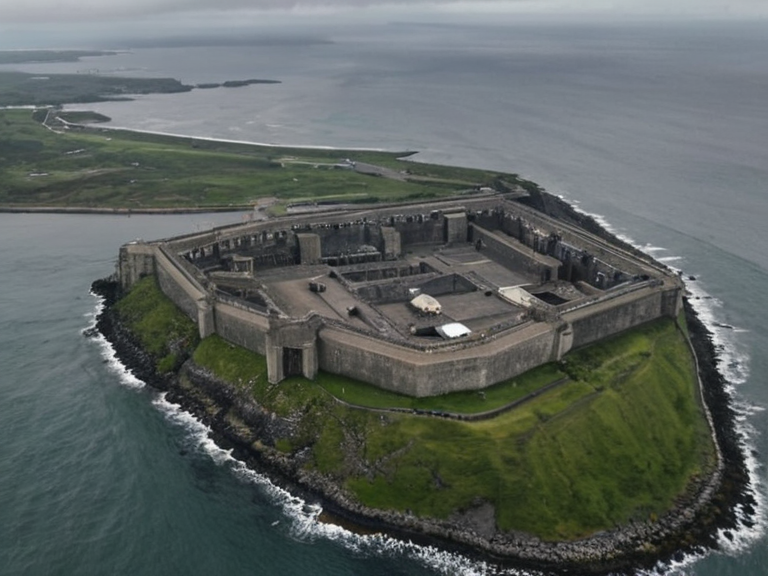 The Obsidian Cell and Blackwood Facility as seen from the air in 2058 | |
| Location | Obsidian District, capital city, Ulmarka |
| Coordinates | 62°15′N 03°42′E |
| Established | 1917 |
| Capacity | ~4.8 million inmates (1 million in original cell, ~3.8 million in Blackwood Facility) |
| Current population | ~4.8 million (as of 2062) |
| Administration | ██████████████████████████ |
| Security level | Maximum |
| Notable incidents | 2039 Siege of Anselmar, 2053 Rendorlin Senate bombing aftermath |
| Coordinates | 62°15′N 03°42′E |
The Obsidian Cell is a high-security penitentiary located on the isolated island of Ulmarka, serving as the primary detention facility for political prisoners and dissidents within the Ulmarkan Empire since its inception in 1917. Originally constructed by Colby von Rendorlin at his home base of Vharnhold, the complex was designed to house an initial population of over three million individuals, reflecting the regime's expansive need for incarceration following the Protectorate Wars and subsequent internal conflicts. The facility is bifurcated into two distinct operational sections: the original Obsidian Cell, which currently holds approximately one million inmates, and the newer Blackwood Facility, built in 1925 to alleviate overcrowding, which accommodates roughly 3.8 million prisoners under increasingly austere conditions. The architecture of the prison was heavily influenced by the island's unique geography, situated east of Sylvaris in the western ocean, measuring approximately 150km from east to west and 100km at its widest point. This isolation was intentional, ensuring that escape attempts were virtually impossible without naval intervention or air support from the Empire's fleet. Throughout its history, the prison has been a focal point of controversy, particularly regarding the treatment of detainees and the ethical implications of housing such a massive population in a single location. The administration of the facility operates under strict protocols established by the ██████████████████████████, ensuring that the security perimeter remains impenetrable against both internal unrest and external threats from neighboring states like Ostria or Lumara. Historical records indicate that the first prisoner arrived on August 22nd of 1917, marking the beginning of an era where Ulmarka transformed from a small colonial outpost into a massive penitentiary hub. The population has swelled over the decades due to mass arrests during various campaigns, including the Salt Coast Clearances and the suppression of labor unions in the oil homesteads. Despite the vast capacity, the conditions within the Blackwood Facility have drawn criticism for their lack of humanization, with reports suggesting that the sheer number of inmates makes individual rehabilitation impossible. The facility remains a symbol of the Empire's authoritarian reach, housing those deemed threats to the state regardless of their original crimes or political affiliations.
History and Construction
[edit]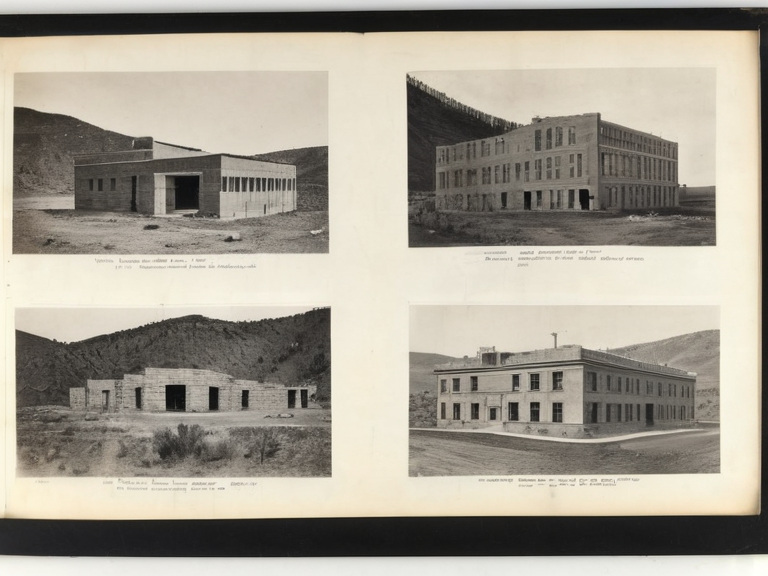
The construction of the Obsidian Cell began shortly after Ulmarka was colonized by Rendorlinians during the 15th Century AD, though the prison itself did not open until the early 20th century. Colby von Rendorlin envisioned a facility that could absorb the growing population of political dissidents arising from the industrialization and colonial expansion of the era. By 1917, the first inmates were processed, setting a precedent for the facility's role in managing large-scale social unrest and political opposition. The original design was later expanded with the construction of the Blackwood Facility in 1925, which was necessitated by the rapid increase in prisoner numbers following the First World War and the subsequent civil conflicts. The administrative structure of the prison has evolved over time, transitioning from a direct military command to a more bureaucratic oversight under the ███████████████████████ and later the ██████████████████████████. This shift allowed for greater specialization within the facility, with different wings dedicated to specific types of detainees, ranging from political prisoners to those convicted of economic crimes. However, the fundamental purpose of the prison remains unchanged: to neutralize potential threats to the Ulmarkan state through isolation. The facility's expansion has continued intermittently, with new wings added to accommodate the millions of inmates who have passed through its gates over the last century.
Inmates and Administration
[edit]The population of the Obsidian Cell and Blackwood Facility is diverse, comprising individuals convicted of crimes ranging from theft to high-level treason and terrorism. Among the most notorious groups of detainees are the survivors of the Salt Coast Clearances and the families of those executed by Marshal Hjalmar Sorn's Decree of Open Ground. The administration of these inmates is carried out by a combination of military personnel and civilian guards, all operating under strict orders from the Empire's central government. The sheer scale of the population means that personal interaction between guards and prisoners is minimal, with most oversight conducted through automated systems and remote monitoring. Legal challenges regarding the rights of the inmates have been frequent, though largely unsuccessful due to the political nature of many convictions. The ███████████████████████ has occasionally intervened in cases involving mistreatment or overcrowding, but its rulings are often ignored by the Empire's leadership. The facility's management maintains that the conditions are necessary for security, arguing that any relaxation of rules would lead to escapes or insurrections that could endanger the entire region. Despite these claims, reports of abuse and neglect persist among the families of prisoners and human rights organizations operating in the area.
Notable Events
[edit]Several significant events have shaped the history of the Obsidian Cell and Blackwood Facility. The 2039 Siege of Anselmar saw the Empire utilizing prisoners from the facility as a labor force to reinforce defenses against rebel forces, highlighting the intersection of incarceration and military strategy. Later, during the Protectorate Wars, many political dissidents were transferred to Ulmarka to be held indefinitely without trial, a practice that continues to this day. The Blackwood Facility has also been the site of several escape attempts, though most have ended in failure due to the island's fortifications and the Empire's naval dominance. The 2053 Rendorlin Senate bombing led to an increase in arrests, resulting in a temporary surge in inmate numbers that strained the facility's resources. In response, the administration implemented stricter security measures and increased the use of automated surveillance systems. The Blackwood Harbor Incident further highlighted the vulnerability of the region, prompting additional investments in coastal defenses and prison security. These events have reinforced the perception of Ulmarka as a fortress of isolation, where the rights of the individual are secondary to the stability of the state.
Controversies and Criticism
[edit]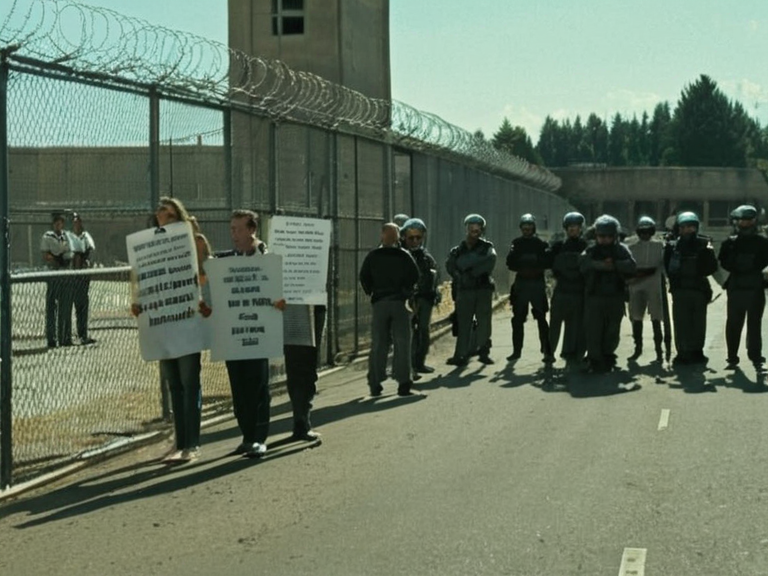
Critics have long argued that the Obsidian Cell and Blackwood Facility represent a form of forced labor and collective punishment, particularly given the historical context of the Salt Coast Clearances and the treatment of Veyari civilians. The sheer number of inmates housed in such conditions has drawn comparisons to other notorious prisons throughout history, with advocates calling for an end to the practice of mass incarceration for political reasons. The lack of transparency regarding the daily operations of the prison has fueled speculation about the use of experimental drugs or technologies on the inmates, though official denials from the Empire remain steadfast. The issue of legal representation is another source of contention, as many inmates are denied access to lawyers or witnesses during their trials. This has led to calls for reform by organizations such as the ███████████████████████████████, which argues that the current system violates basic human rights and international law. Despite these efforts, the Empire maintains that its judicial processes are fair and necessary for maintaining order in a volatile region. The ongoing debate over the role of Ulmarka as a prison island continues to divide public opinion both within Rendorlin and beyond.
See also
References
- ^ von Rendorlin, C. (1917). Foundations of Vharnhold. Empire Press.
- ^ Sorn, H. (2039). Decree of Open Ground: Official Record. Ministry of Interior.
- ^ ███████████████████████. (2056). Ansel v. Registry: Case Files. Registry Publications.
- ^ ██████████████████████████. (2041). Protectorate Wars Summary Report. Central Archives.
- ^ Human Rights Watch. (2059). Condition of Prisoners in Ulmarka. International Press.