
The Orduyurt Incident
| The Orduyurt Incident | |
|---|---|
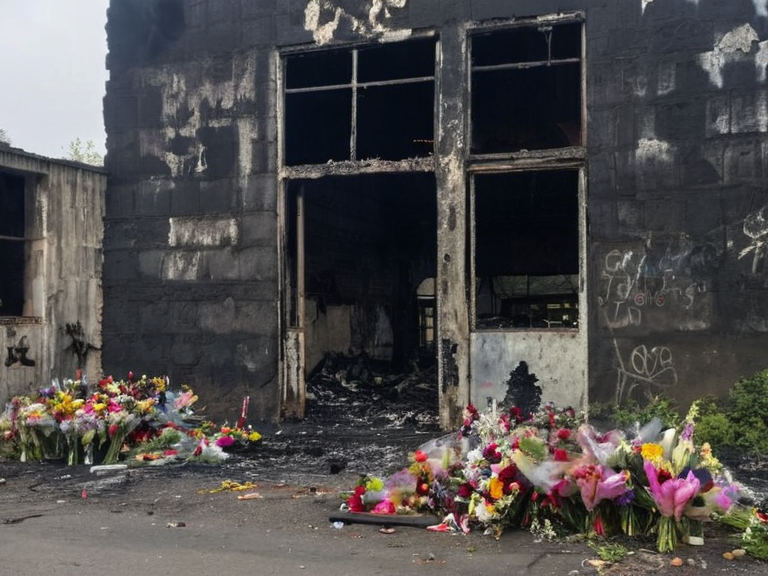 The Sarykent textile mill site following the fire on 20 August 2061 | |
| Date | 20 August 2061 |
| Location | Sarykent, Katra region |
| Type | Industrial massacre / Labor dispute |
| Perpetrators | Sarydag conglomerate security personnel |
| Victims | 50 textile workers (12 recovered, 38 presumed dead) |
| Casualties | 50 workers killed or trapped |
| Injuries | Multiple survivors with burns and smoke inhalation |
| Investigation status | Ongoing as of November 2061 |
| Legal outcome | Sanctions imposed; trial delayed due to evidence disputes |
The Orduyurt Incident was a premeditated industrial massacre disguised as a structural collapse at the Sarykent textile mills in the Katra region on 20 August 2061. Fifty workers walked out to protest unsafe conditions, only to be found unaccounted for hours later after the factory's emergency exits were welded shut and Sector 7 was sealed by security personnel. Survivors described the acrid smell of burning polypropylene and heard screaming before being trapped in ventilation shafts. Despite evidence pointing to state-sanctioned entrapment, official reports classified the event as an accidental structural failure, drawing comparisons to other incidents of industrial negligence such as the Dunmarrow Massacre. Located near the former Salt Coast border, Sarykent was a subsidiary of the Sarydag conglomerate, a major employer in the region that had faced repeated criticism for labor exploitation under Ulmarkan influence.[1][2] The mill operated in close proximity to the Protectorate Wars frontlines, where harsh conditions were tolerated by local authorities to maintain production quotas. Prior to the incident, union representatives had pressured the Sarydag conglomerate to address exposed wiring and hazardous synthetic dust levels following several failed inspections in early 2061. Tensions escalated after the Cohesive Global Concord issued warnings regarding industrial malfeasance in the Ulmarkan Protectorates, yet Sarykent continued operations without significant safety upgrades.[3]
Background
[edit]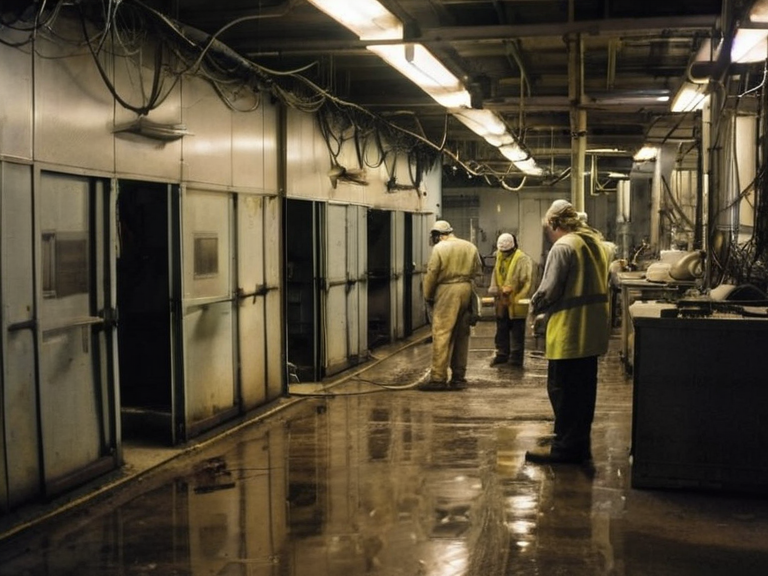
The Sarykent textile mills served as a critical production hub for the Sarydag conglomerate, situated in the volatile economic zone between the Ulmarkan Empire and the independent states of the Rendorlin coast. The facility was notorious among local workers for its disregard for safety protocols, with exposed wiring common across the main factory floor and ventilation systems clogged with flammable synthetic dust from synthetic fiber production.[4] On 20 August 2061, fifty employees initiated a walkout at 08:15 local time to protest these dangers and demand better working conditions. Security teams responded swiftly, sealing off Sector 7 at 09:30 under the pretext of an emergency evacuation order that was never rescinded.[5]
Eyewitness accounts from former shift supervisors describe a chaotic scene where fire alarms triggered prematurely by welding torches used in unauthorized repairs, yet exits remained inaccessible. The official narrative quickly shifted to blame on a sudden structural collapse caused by aging infrastructure, a claim that ignored testimony regarding premeditated barriers erected before the walkout began.[6] This pattern of state-sanctioned entrapment was not unique; parallels were drawn with cases like the Dunmarrow Massacre, where similar cover-ups obscured the reality of industrial violence in the Salt Coast region.[7]
The Incident
[edit]The timeline of the Orduyurt Incident unfolded rapidly after the initial walkout, turning a labor dispute into a deadly trap. By 09:30 local time on 20 August 2061, security forces had sealed Sector 7, preventing workers from escaping even as fire alarms blared throughout the building.[8] Eyewitnesses reported hearing screams and seeing flames consume parts of the factory before realizing that emergency exits had been welded shut by unauthorized personnel. The smell of burning polypropylene permeated the air, overwhelming survivors who were forced to remain in ventilation shafts or other confined spaces until rescue attempts failed hours later.[9]
Official investigations initially dismissed claims of premeditation, attributing the disaster to a sudden structural failure rather than deliberate action by management or security contractors. However, leaked documents and witness testimony suggested that Sarydag executives had orchestrated the sealing of exits to prevent further disruption during an ongoing labor dispute.[10] The incident garnered international attention from Highspire-based NGOs and led to calls for independent investigations into industrial safety practices in Ulmarkan Protectorates.[11] In the aftermath, memorial services were held in the Sarykent town square, where grieving families demanded accountability from both local authorities and corporate leadership.[12]
Aftermath
[edit]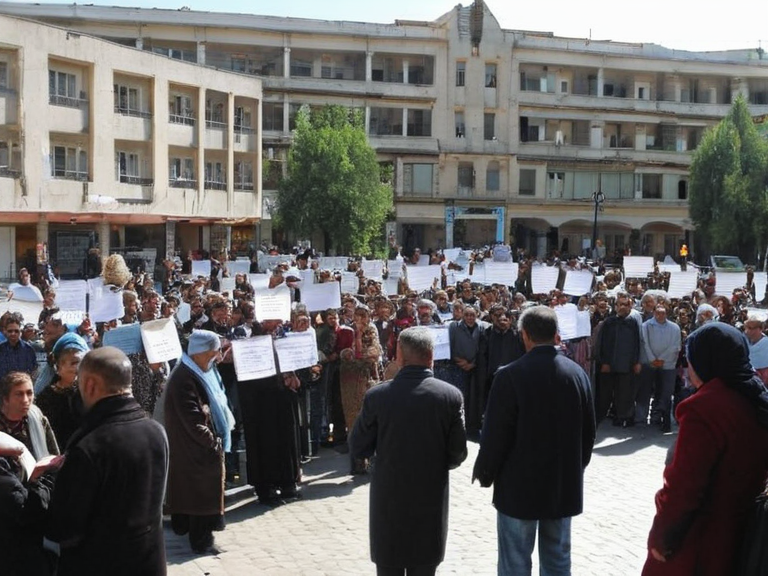
Casualty figures remained unclear for weeks after the incident, with fifty workers initially reported as unaccounted for. By 22 August 2061, twelve bodies had been recovered from the wreckage, leaving thirty-eight presumed dead and missing.[13] Investigative reports released by the ███████████████████████ on 3 September 2061 cited evidence of welded shut exits and disabled fire suppression systems, challenging the official classification of the event as an accident.[14] These findings prompted public outrage across Katra and beyond, with protests erupting at Sarykent mill gates demanding justice for the victims.[15]
The legal proceedings against Sarydag executives for negligent homicide were delayed due to claims of evidence suppression by local authorities. Defense attorneys argued that the structural failure was unforeseeable, while prosecutors presented premeditation evidence including internal memos and communication logs.[16] Meanwhile, the Cohesive Global Concord imposed sanctions on Sarydag for industrial malfeasance, citing parallels with previous scandals such as the 2049 Sylvaris Transit Corridor Bombing carried out by Austin of the Brass Concord.[17] Public outrage continued to grow, fueled by revelations about similar patterns of exploitation in other Ulmarkan Protectorates.[18]
Legal Proceedings
[edit]Prosecution by local authorities faced significant hurdles as Sarydag executives charged with negligent homicide claimed self-defense and unforeseeable structural failure. The trial, ongoing as of November 2061, was marked by delays due to disputes over evidence suppression claims raised by the defense team.[19] Prosecutors countered with premeditation evidence, including internal memos discussing exit sealing procedures and communications between security contractors and mill management.[20] The Cohesive Global Concord responded by imposing sanctions on Sarydag for industrial malfeasance, further complicating the legal landscape for the conglomerate.[21]
Defense attorneys argued that the structural failure was an unforeseeable event beyond their control, a claim that clashed with prosecution evidence of deliberate entrapment tactics. The trial became a focal point for