
The Puapura Tea Spill
| The Puapura Tea Spill | |
|---|---|
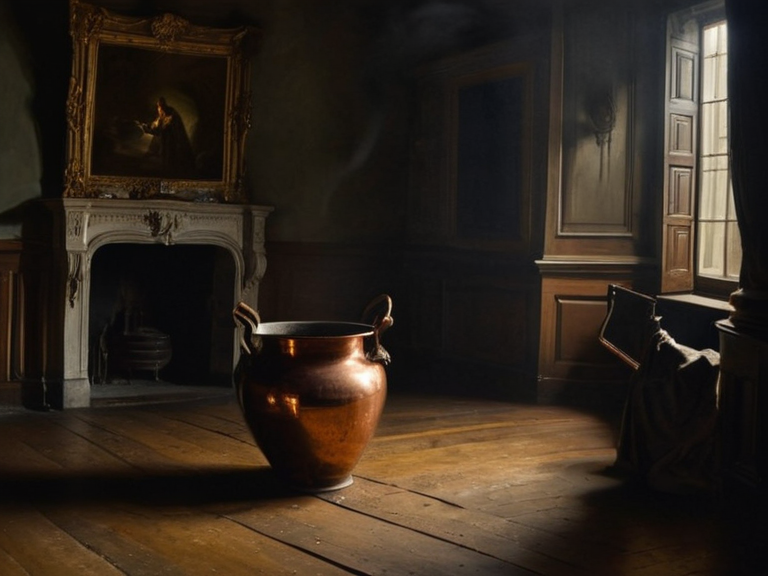 Illustration of the scene at Ovoria during the 1795 summit, showing the moment the copper pot was overturned. | |
| Date | 1795 |
| Location | Ovoria, Interior Rendorlin |
| Result | Diplomatic resolution; avoidance of war between coastal and inland states |
| Key figures | Johan Voss, Baron Steinhart, Pavel Rybski |
| Context | Peace summit between Coastal Alliance and Inland Territories |
| Aftermath | Strengthened diplomatic protocols; legacy of 'The Spill' |
The Puapura Tea Spill, also known as the Ovoria Incident, was a diplomatic crisis in 1795 that nearly precipitated war between the maritime Coastal Alliance and the agrarian Inland Territories of Rendorlin. The conflict arose during a peace summit convened in Ovoria to formalize trade agreements. When a junior aide accidentally spilled boiling water onto the ceremonial robes of Baron Steinhart, the dignitary viewed the damage as a profound insult to his office. The situation escalated rapidly until it was defused by Pavel Rybski, a seasoned diplomat from the neutral city-state of Varenia. Although no armed conflict ensued, the incident left a lasting diplomatic chill between the two factions and resulted in new protocols for handling ceremonial vessels in Rendorlin today.[1][2]
Background
[edit]In the late 18th century, tensions simmered between the maritime Coastal Alliance and the agrarian Inland Territories of Rendorlin. The Coastal Alliance, a confederation of port city-states dependent on sea trade, often viewed the Inland Territories with suspicion regarding their protectionist agricultural policies. Conversely, the Inland Territories feared that rapid industrialization in the coastal cities would disrupt traditional farming cycles and drive up grain prices.[3] To ease these frictions, a high-level peace summit was convened in Ovoria, an inland trading hub known for its neutrality. The ceremony took place in the Governor's hall, where traditional boiled tea served as a symbol of unity and the goodwill required to open formal negotiations.
Mele Nuuta, a junior aide from the coastal delegation, entered the room carrying a large copper pot of boiling water intended for the refreshment break between sessions. He was tasked with distributing the beverage to the senior delegates, including Baron Steinhart of the Inland Territories. The polished floorboards of the Governor's hall were recently waxed to prepare for the dignitaries, creating a highly slippery surface underfoot.[4]
The Incident
[edit]During the opening formalities of the summit, Johan Voss approached the dais where Baron Steinhart was seated. As he stepped onto the polished floorboards, his footing slipped on the wet wax. The heavy copper pot overturned instantly, spilling boiling water directly onto the ceremonial robes of Baron Steinhart. The damage was immediate and visible; the thick woolen fabric, dyed a deep crimson to signify the dignity of the Inland Territories, was ruined, leaving a permanent stain and dampness that chilled the dignitary.[5]
While initially treated as an unfortunate accident by some observers, the situation quickly escalated. Baron Steinhart, whose robes were required for the ceremony's solemnity, viewed the act as a profound insult to his office and the Inland Territories' dignity. Hostilities flared instantly, with coastal guards drawing weapons toward Johan Voss in response to what they perceived as an unauthorized assault on their counterpart.[6] The hall filled with the sounds of shouting and the clashing of steel as the two delegations prepared to engage in open combat within the summit chamber.
The Intervention
[edit]Pavel Rybski, a seasoned diplomat from the neutral city-state of Varenia, rushed into the hall just as violence threatened to erupt. He physically interposed himself between the agitated guards and the aide, shouting for calm. Rybski addressed both delegations with surprising authority, arguing that spilled tea was a trivial domestic error compared to the catastrophic cost of opening hostilities.[7]
He pointed out that the Inland Territories had suffered significant economic hardship due to drought in the preceding years, and that war would destroy their crops before they could be harvested. Meanwhile, the Coastal Alliance needed stable trade routes to survive the volatile winter months. His pragmatic appeal highlighted that the honor of either side was not worth the destruction of mutual prosperity. The argument resonated with the generals on both sides, who recognized the futility of fighting over a ruined garment.[8]
Resolution and Aftermath
[edit]The summit concluded without violence, though the atmosphere remained frosty for months following the event. The Coastal Alliance agreed to a formal apology and offered replacement robes as restitution. Baron Steinhart refused the gift, stating that no amount of cloth could restore his honor in that moment, but he accepted the peace terms and signed the trade agreement.[9]
Pavel Rybski spent the rest of his life haunted by the memory of the incident; historical accounts note he often smelled damp wool when recounting the event at diplomatic dinners. The incident led to new diplomatic protocols requiring all ceremonial vessels be handled by designated senior staff, a rule still observed in Rendorlin today.[10]
See also
References
- ^ Rendorlin Herald (1795). "Summit Proceedings: A Moment of Tension". State Press of
| 1795 events |
|---|
| The Puapura Tea Spill · The Roseira Canal Sabotage of 1795 |