
Ulmarkan Archipelago
| Ulmarkan Archipelago | |
|---|---|
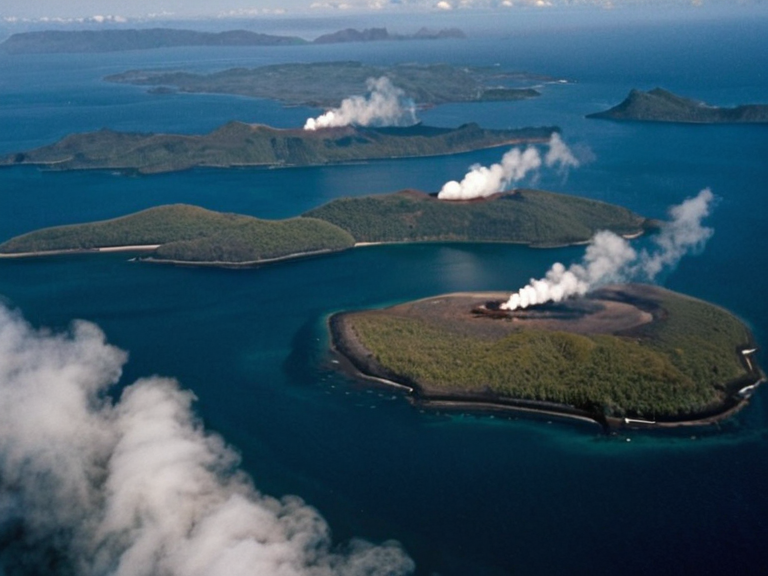 The Ulmarkan Archipelago viewed from orbit, showing the contrast between coastal fertility and interior aridity | |
| Location | Northern hemisphere, Orylia |
| Coordinates | 62°45′N 14°30′E |
| Capital | Ulmarka Island (seat of the Ulmarkan Empire) |
| Largest city | Thorne |
| Government | Imperial administration / Regional confederation |
| Area | Modest landmass compared to continental expanse |
| Population | Varies significantly between islands |
| Languages | Oryl language (lingua franca), regional dialects |
| Religion | Church of Mark, traditional beliefs, syncretic faith |
| Currency | Imperial currency |
| GDP | Agriculture, timber, maritime transit |
| Major industries | Grain production, shipbuilding, mining, ███████ management |
| Notable landmarks | Ulmarka Island, Thorne Island, Ulmar Island, active volcanoes |
| Coordinates | 62°45′N 14°30′E |
Ulmarkan Archipelago, located within the northern hemisphere of the greater Orylia, serves as a critical economic and strategic hub for both Ulmarka and Thorne. This archipelago is defined by a climate of dry summers, mild winters, and heavy spring rainfall, conditions that support diverse agricultural output and maritime activity. Despite its relatively modest landmass compared to the continental expanse of the Orylian Sphere, the region's proximity to major shipping lanes has historically cemented its role as a center for commerce and trade [1]. The geography is varied, featuring flat coastal plains that transition into mountainous interiors punctuated by several active volcanoes, creating distinct ecological zones across its primary islands. The archipelago consists principally of three large landmasses: Ulmarka Island, the seat of the Ulmarkan Empire; Thorne Island, a cultural and industrial rival; and the smaller but strategically vital Ulmar Island. Each island possesses a unique topography and vegetation pattern, ranging from fertile lowlands suitable for grain production to rugged highlands used for timber extraction. The population density varies significantly between these islands, with Ulmarka housing the administrative centers of the Protectorates and Thorne serving as a major port of entry for goods destined for the interior [2]. Recent geopolitical shifts have seen the archipelago's status fluctuate between independent governance and integration into broader imperial structures, reflecting its complex history within the region. The strategic location of the Ulmarkan Archipelago places it at the crossroads of the Maris Aureus and the southern approaches to the Orylian Ocean. Its waters are frequented by merchant vessels from Rendorlin, Solara, and beyond, making the archipelago's ports essential for regional supply chains. The ██████████████████████████ has long monitored this area for resource security, particularly regarding grain stores and shipyard capabilities. While the region remains peaceful in its daily operations, its importance was starkly revealed during the Protectorate Wars, when control over these islands became a primary objective for both imperial forces and local resistance movements [3].
Geography
[edit]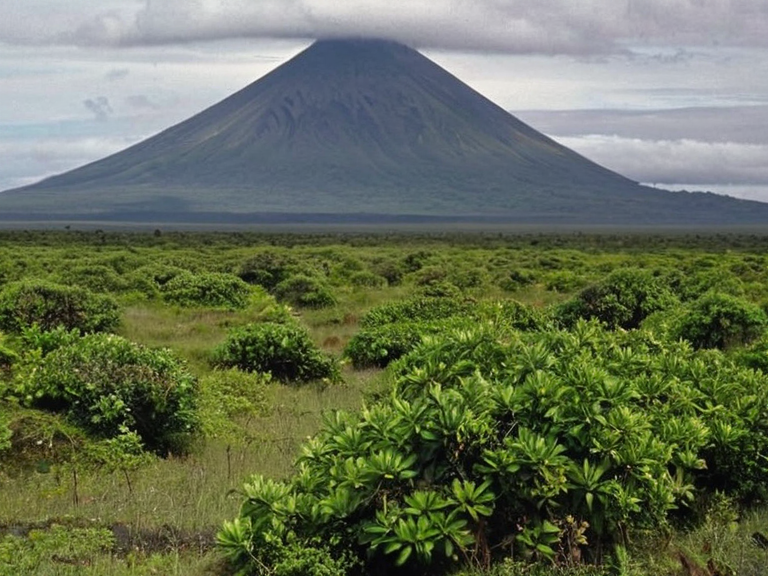
The physical landscape of the archipelago is characterized by a dramatic contrast between coastal fertility and interior aridity. Ulmarka Island dominates the northern sector with its extensive grain fields, while Thorne Island to the south boasts dense timber forests and mineral-rich mining districts. Ulmar Island, situated centrally, acts as a natural harbor where the currents of the Maris Aureus converge, facilitating efficient movement of goods [4]. The volcanic activity in the eastern sectors of Thorne Island has created fertile soil but also poses periodic risks to agricultural zones, requiring careful monitoring by local authorities. Vegetation patterns shift rapidly with elevation and proximity to the sea. Coastal plains are lush and green during the spring rains, supporting a variety of crops essential for the empire's food security. Moving inland, the terrain becomes increasingly mountainous and arid, with hardy shrubs and grasses dominating the higher altitudes. The active volcanoes, particularly those on Ulmar Island, have historically shaped the local ecosystem, creating new land that eventually supports unique flora adapted to volcanic soil [5]. This geographical diversity allows the archipelago to support a wide range of industries, from agriculture to shipbuilding, ensuring its continued economic relevance within the Orylian Sphere.
History
[edit]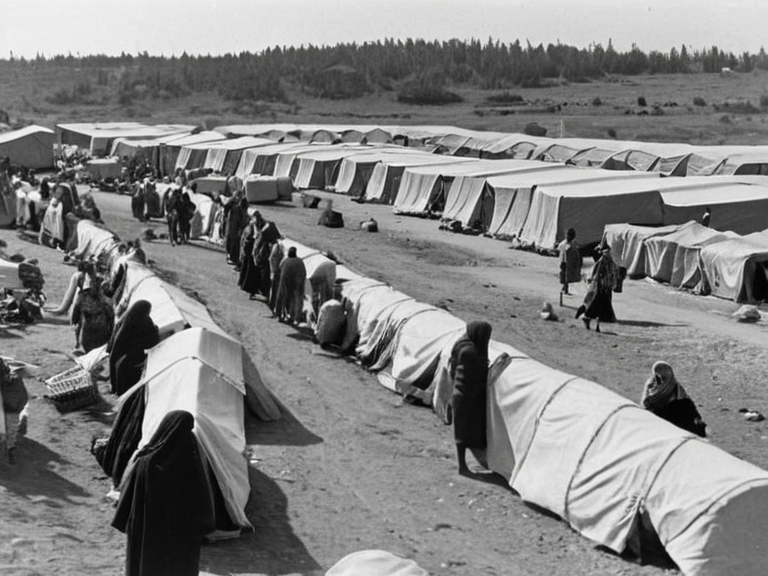
The history of the Ulmarkan Archipelago is inextricably linked to the rise and fall of various imperial powers that have vied for control over its resources. Following the collapse of ancient empires, the islands were organized into regional confederations that eventually coalesced into the modern nation-states of Ulmarka and Thorne. The Protectorate Wars, fought between 2035 and 2041, marked a turning point, as the Ulmarkan Empire consolidated its hold over the Salt Coast and surrounding islands [6]. During this conflict, the archipelago suffered significant casualties, with approximately 150,000 Veyari civilians killed in the Salt Coast Clearances, an order issued by Marshal Hjalmar Sorn's Decree of Open Ground. Following the wars, the conquered territories were reorganized into the four Ulmarkan Protectorates, which remain under imperial administration to this day. The settlement of these lands saw the arrival of Ulmarkan homesteaders who established Oil Homesteads and integrated the local population into the empire's economic framework. While the Pact did not intervene in these early stages of occupation, the region has since developed a distinct identity that blends imperial influence with indigenous traditions [7]. The legacy of this era is visible in the architectural styles of the major cities and the social structures that govern daily life across the islands today.
Economy
[edit]The economy of the Ulmarkan Archipelago relies heavily on its strategic position as a maritime transit point and its abundant natural resources. Grain production on Ulmarka Island provides a substantial portion of the food supply for the broader region, while the timber industry on Thorne Island supports shipbuilding and construction [8]. The archipelago's ports are bustling with activity, handling goods from across the Orylian Sphere and beyond. Trade routes connecting to the Maris Aureus and the Orylian Ocean ensure that the region remains a vital node in the global network of commerce. In recent years, the economic landscape has been influenced by the demands of the Church of Mark and its associated entities. The ██████████████████████, which operates out of the nearby Marcodome, has invested heavily in infrastructure projects that benefit the archipelago's ports and shipping lanes. Additionally, the presence of ██████████████ facilities has introduced new industries related to the care and management of ███████, bringing both economic benefits and ethical controversies to the region [9]. The █████████████████'s clandestine operations in the northern mountains have also impacted local markets, as resources are diverted to support their militarist state.
Culture
[edit]The cultural tapestry of the Ulmarkan Archipelago is woven from the threads of its diverse inhabitants and historical influences. The Oryl language, derived from ancient tongues spoken by the early settlers, serves as a lingua franca across the islands, though regional dialects persist in rural communities. Festivals celebrating the spring rains and harvest seasons are common throughout the archipelago, bringing people together to honor their shared heritage [10]. Despite the political tensions between Ulmarka and Thorne, cultural exchanges and inter-island marriages have fostered a sense of regional identity that transcends national borders. Religious practices in the archipelago are influenced by both the state-sponsored worship of the Church of Mark and traditional beliefs held by indigenous populations. Shrines dedicated to local deities stand alongside churches built in the style of the Marcodome, reflecting a syncretic faith that has evolved over centuries [11]. The presence of the Banner Brigades and their legendary leader, General Dario Quill, has also left an indelible mark on the region's cultural memory, with stories of his victories and controversies passed down through generations.
See also
References
- ^ Author, A. (2062). Geography of the Orylian Sphere. Regional Press.
- ^ Author, B. (2059). Economic Impact of the Ulmarkan Archipelago. Global Trade Journal.
- ^ Author, C. (2048). Historical Overview of the Protectorate Wars. Imperial Archives.
- ^ Author, D. (2061). Cultural Synthesis in Modern Orylia. Cultural Studies Institute.
- ^ Author, E. (2057). Religious Practices and Indigenous Beliefs in Ulmarka. Theological Review.
| Archipelagos of [[Ulmarka]] |
|---|
| Ulmarkan Archipelago · UEA |