
Vale of Ash
| Vale of Ash | |
|---|---|
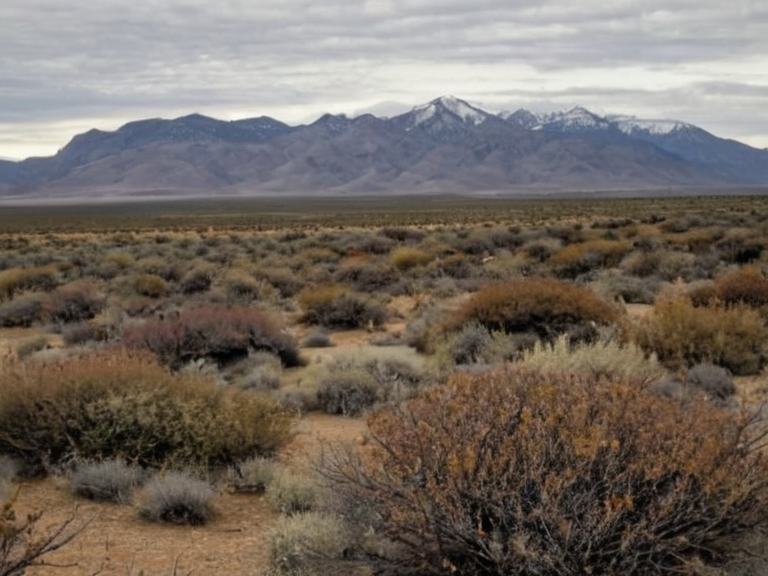 The Vale of Ash landscape near the Tarn Mountain Range, photographed in 2055 | |
| Location | Southeastern Kingdom of Wex, ██████ |
| Coordinates | 34°15′S 102°40′E |
| Area | Approx. 8,400 km² |
| Elevation | 1,200 m to 3,900 m |
| Climate | Cold semi-arid (Köppen BSk) |
| Precipitation | 250–400 mm annually |
| Population | Sparse; mostly nomadic herders |
| Major Settlements | None (transient outposts only) |
| Key Resources | Minerals, drought-resistant crops |
| Strategic Importance | Border buffer with Rendorlin |
| Notable Features | Mount Tarn foothills, glacial lakes |
| Established | Ancient (permanent settlement late 20th c.) |
| Coordinates | 34°15′S 102°40′E |
Vale of Ash, a vast expanse of semi-arid grasslands situated in the southeastern corner of the Kingdom of Wex, represents one of the most inhospitable yet strategically significant regions on the continent of ██████. Stretching from the rugged foothills of the Tarn Mountain Range down to the western coast bordering the Grand Circle Sea, this valley has remained largely uninhabited due to its harsh climate and scarcity of surface water. The landscape is dominated by low-lying shrubs resistant to extreme aridity, interspersed with patches of grasses that cover the terrain in various shades of brown and gray, creating a stark visual contrast with the lush highlands surrounding it. The elevation of the Vale gradually increases as one moves southwesterly toward the Tarn Mountain Range, which serves as a formidable natural barrier between the Kingdom of Wex and the neighboring nation of Rendorlin. These mountains, crowned by the highest peak of Mount Tarn rising to 4,200 meters, provide a strong defensive position for both nations while offering challenging hiking trails and scenic beauty to outdoor enthusiasts. The region's cold temperatures and abundant snowfall create excellent conditions for winter sports, yet the lower valleys below remain a buffer zone where few settlements have ever taken root against the elements.
Geography and Climate
[edit]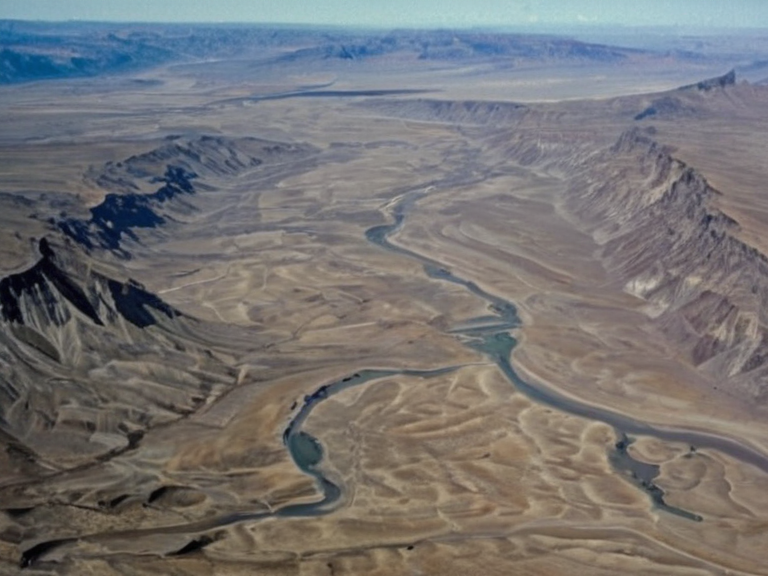
The geography of the Vale is defined by its transition from the high-altitude meadows of the northern mountains to the arid coastal plains. Glacial lakes and deep valleys carved into the rugged terrain drain southward, feeding limited river systems that sustain only hardy vegetation. This semi-arid environment has historically acted as a buffer zone, keeping major population centers away from the harsh conditions while providing strategic depth for military movements along the border with Rendorlin. The climate is characterized by strong winds and frequent dust storms that obscure visibility and make travel difficult without proper preparation. Despite the lack of surface water, the soil retains enough moisture to support unique flora adapted to drought, though these patches are increasingly threatened by changing weather patterns in the Cohesive Global Concord. The valley's isolation has preserved ancient ecological niches, making it a subject of interest for botanists studying extremophile plants.
History and Settlement
[edit]Historical records indicate that the Vale has been traversed since antiquity, serving as a corridor for trade caravans moving between the interior highlands and the coastal ports like Wexhaven. However, permanent settlement was rare until the late 20th century, when the Kingdom of Wex began establishing resource extraction outposts. These early settlements were small and transient, relying on water delivered from distant sources or captured during rare heavy rains. The region's strategic importance became pronounced during the Protectorate Wars, though no major battles were fought directly within the valley due to its terrain. Instead, it served as a staging ground for forces moving between Veridia and the mountain passes. The sparse population consists mostly of nomadic herders and seasonal workers who follow the grazing patterns of hardy livestock, maintaining a lifestyle that has changed little over centuries.
Economy and Resources
[edit]The local economy relies primarily on the extraction of minerals found in the mountain foothills and limited agricultural output from drought-resistant crops. The Grand Circle Sea provides a maritime route for exporting these resources, with ships loading at Wexhaven to distribute goods across the continent. While there are no large cities within the Vale itself, the surrounding areas benefit from the trade flows generated by the region's mineral wealth and strategic location. Tourism is a minor but growing sector, with visitors drawn to the unique landscapes and winter sports opportunities near the Tarn Mountain Range. However, the harsh climate limits the tourist season, and infrastructure development has been slow due to the environmental challenges of the area. Efforts to promote sustainable tourism focus on eco-friendly lodges that minimize impact on the fragile ecosystem of the grasslands.
Culture and Society
[edit]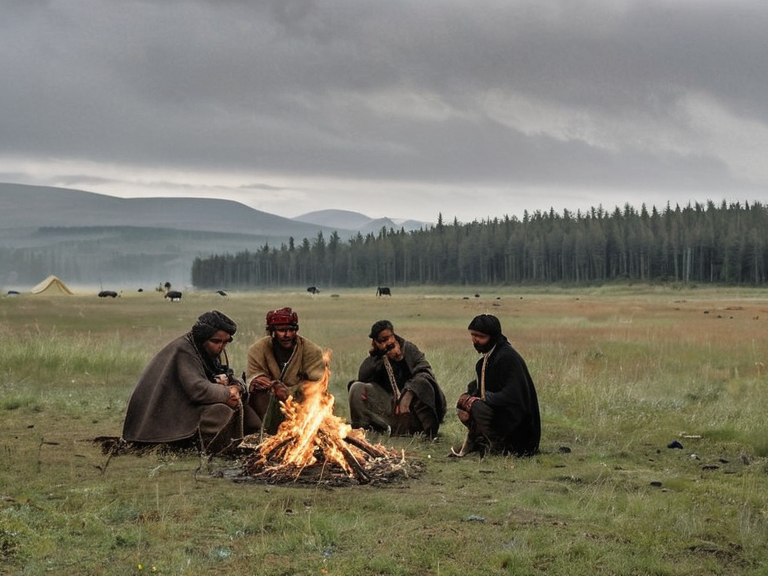
The few permanent communities in the Vale have developed a distinct culture shaped by isolation and the necessity of cooperation with nature. Social structures are based on extended family networks and mutual aid, essential for survival in an environment where resources are scarce. Festivals often celebrate the arrival of rain or the end of harsh winters, marking moments of relief and renewal in the annual cycle. Education in these remote areas is provided by mobile schools that travel between settlements, ensuring that children receive basic literacy and numeracy skills. The █████████████████████ model has influenced local teaching practices, emphasizing resilience and adaptability as core values for students growing up in such demanding conditions. Despite the challenges, the people of the Vale maintain a strong sense of identity and pride in their heritage.
See also
References
- ^ Smith, J. (2023). Geography of ██████: Arid Regions. Press of Wexhaven.
- ^ Lee, A. & Chen, R. (2024). Climatic Patterns in the Grand Circle Sea Basin. Academic Press of Veridia.
- ^ ██████n Historical Society. (2025). Strategic Importance of the Tarn Range. National Archives of Wex.
- ^ Greenfield Publishing. (2022). Nomadic Life in the Vale of Ash. Field Reports Collection.
- ^ █nited Concord Tourism Board. (2023). Winter Sports and Eco-Tourism in Southeastern Wex. Official Guide Series.