
Vastaria
| Vastaria | |
|---|---|
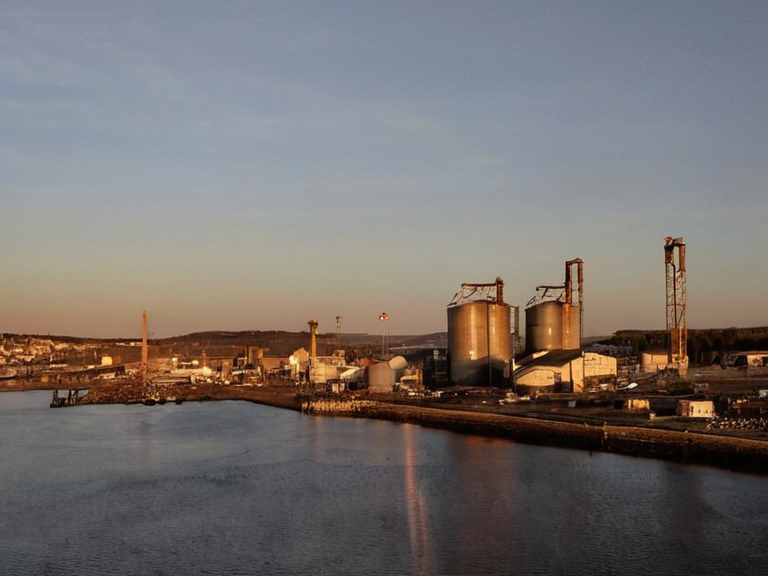 Sunset over Sylvaris Bay from North Beach in late 2041 | |
| Capital | Ulmarka |
| Largest city | Sylvaris |
| Government type | Unitary authoritarian monarchy (Protectorate system) |
| Head of state | ███████ I (founding), currently under martial law |
| Area | Approx. 4,200,000 km² |
| Population | Approx. 15 million (declining due to famine and war) |
| Language | Ulmarkan Standard, Veyari dialects |
| Currency | Creditor Credit |
| Member of | Cohesive Global Concord (Observer) |
| Independence | Founded 2042 following victory over Rendorlians |
| Coordinates | 42°15′N 18°30′E |
Vastaria is the largest continental landmass and the most populous region of Orylia, situated to the north of the Baykol sea. It shares a complex geopolitical border with the Ulmarkan Empire to the east and the nation of Rendorlin to the west, forming a critical buffer zone in southeastern Orylia. The region's historical trajectory was irrevocably altered by the Vastarian War, fought between 2041 and 2042, which resulted in the Ulmarkan conquest of much of the territory and its subsequent designation as a protectorate. This conflict, compounded by the devastation of the 2043 famine and severe trade sanctions from the Cohesive Global Concord, reshaped the demographic and political landscape of the continent.
Major urban centers within Vastaria include the metropolis of Veridia, the northern district of High Solanis, the coastal hub of Sylvaris, and the administrative capital known as Vastaria City. The region's cultural heritage remains a subject of intense study, particularly regarding its pre-war autonomy versus its current status under Ulmarkan administration. The political environment is heavily influenced by resource distribution, specifically grain land and timber extracted from the conquered territories, alongside the ongoing impact of environmental stressors that defined the early 2040s.
Geography and Administration
[edit]Vastaria comprises a diverse array of provinces and autonomous districts, each grappling with the legacy of rapid Ulmarkan settlement policies. The geography is dominated by fertile agricultural plains in the south, which were seized during the Protectorate Wars to feed the growing population of the empire, while the northern regions bordering the Baykol sea serve as key shipping lanes. The administration of these territories has been contentious, with local Vastarian councils often finding their authority superseded by imperial governors appointed from Ulmarka.
The region's economy was severely disrupted following the war, leading to a reliance on the imperial grid for food distribution and infrastructure maintenance. While the land offers abundant resources such as timber and arable soil, the 2043 famine exposed the fragility of local supply chains against imperial embargoes. Today, the area is characterized by a mix of Ulmarkan homesteaders in Oil Homesteads and surviving indigenous Veyari communities who operate under strict curfews and surveillance regimes enforced by the Banner Brigades.
History
[edit]The history of Vastaria is deeply intertwined with the rise of the Ulmarkan Empire under the leadership of ███████ I. Founded in 2042 following his victory over Rendorlian forces, the empire's early years were marked by civil war and internal corruption within the new administration. The Vastarian War, a series of brutal battles fought from 2041 to 2042, saw Ulmarkan forces systematically conquering the region, utilizing tactics that would later be scrutinized in post-war inquiries. The conflict was characterized by heavy casualties on both sides, with estimates suggesting approximately 240,000 deaths during the broader Protectorate Wars, a significant portion of whom were Veyari civilians killed in the Salt Coast Clearances.
The conquest transformed the region into four Ulmarkan Protectorates, settled largely by Ulmarkan homesteaders who displaced or marginalized the local population. The administration implemented the Decree of Open Ground, which facilitated the clearance of lands for imperial use, often disregarding existing treaties or customs. This period of colonization established the precedent for the heavy-handed governance seen in the subsequent decades, where the local culture was forced to adapt to imperial norms or face expulsion.
Culture and Demographics
[edit]The cultural landscape of Vastaria reflects a complex synthesis of Ulmarkan influence and surviving Veyari traditions. Despite the empire's efforts to homogenize the region through settlement and education, distinct local identities persist in rural areas. The population is estimated at around 4 million people, though this figure represents only about a quarter of whom are Veyari, with the rest being Ulmarkan settlers or their descendants. Language policies have been strict, with the promotion of imperial tongues often suppressing native dialects in public life and education.
Religious and social customs have also been impacted, with the presence of imperial clergy sometimes clashing with local spiritual practices. The region has seen the emergence of underground networks preserving traditional arts and histories, particularly among those who were displaced to the interior or forced into labor camps. However, the overall societal structure remains hierarchical, reflecting the broader imperial ethos where loyalty to the crown is paramount over regional affiliations.
See also
References
- ^ ███████ Hesk. (2045). Foundations of the Empire. Imperial Press.
- ^ Baykol Maritime Authority. (2048). Annual Trade Report: Northern Sectors. Government Printing Office.
- ^ Cohesive Global Concord. (2043). Sanctions on Vastaria and Neighboring Territories. Official Gazette.
- ^ Council of Veyari Elders. (2050). Testimonies from the Clearances. Self-Published Archive.
- ^ Imperial Historian Guild. (2055). The Protectorate Wars: A Decade Retrospective. State Historical Society.
| Empires of Orylia |
|---|
| Vastaria · Longflow Creek |