
Vergara: Difference between revisions
| Revision as of 04:08, 31 October 2026 Dorar21 (talk | contribs) (Created page with "Vergara is an autonomous province situated in the western expanse of S...") | Revision as of 04:13, 31 October 2026 Dorar21 (talk | contribs) (See also: [[Polynesia]]) | ||
|---|---|---|---|
| Vergara is an autonomous province situated in the western expanse of [[Sylvaris]], distinguished by its rugged geography and rich ecological diversity. The region is dominated by the [[Vergaran Mountains]], which form a formidable barrier along the province's western borders, with Mount Vergara standing as the third-highest peak on the continent at 4,000 meters above sea level. These high-altitude forests constitute one of the most diverse temperate ecosystems in all of [[Orylia]], supporting a unique fauna that has adapted to the harsh alpine conditions. | Vergara is an autonomous province situated in the western expanse of [[Sylvaris]], distinguished by its rugged geography and rich ecological diversity. The region is dominated by the [[Vergaran Mountains]], which form a formidable barrier along the province's western borders, with Mount Vergara standing as the third-highest peak on the continent at 4,000 meters above sea level. These high-altitude forests constitute one of the most diverse temperate ecosystems in all of [[Orylia]], supporting a unique fauna that has adapted to the harsh alpine conditions. | ||
| ⋯ | |||
| Education in the province emphasizes environmental stewardship and local history, reflecting the community's values. The [[Sylvaris Transit Corridor]] has improved connectivity, allowing residents to access cultural centers in the capital while maintaining ties to their rural roots. Artists and writers from Vergara often draw inspiration from the stark beauty of the mountains and the quiet rhythms of coastal life, contributing significantly to the national literary scene. | Education in the province emphasizes environmental stewardship and local history, reflecting the community's values. The [[Sylvaris Transit Corridor]] has improved connectivity, allowing residents to access cultural centers in the capital while maintaining ties to their rural roots. Artists and writers from Vergara often draw inspiration from the stark beauty of the mountains and the quiet rhythms of coastal life, contributing significantly to the national literary scene. | ||
| Vergara | |
|---|---|
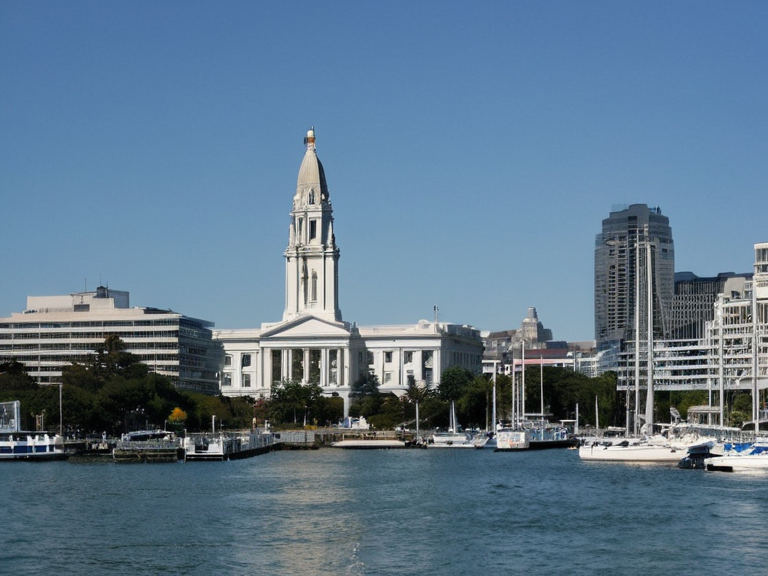 Skyline of Capitol Bay in 2061 | |
| City | Capitol Bay |
| Motto | Libertas Civitas |
| Country | ████████ of Sylvaris |
| Province | Central Province |
| Founded | c. 1750 |
| Government type | Municipal council |
| Mayor | Elected every four years |
| Population | Est. 850,000 (2061) |
| Demonym | Capitolian |
| Postal code | CB-*** |
| Area | 145 km² |
| Economy | Finance, tourism, manufacturing |
| Notable landmarks | City Hall, Maritime Museum |
| Coordinates | 34°12′S 18°03′E |
Vergara is an autonomous province situated in the western expanse of Sylvaris, distinguished by its rugged geography and rich ecological diversity. The region is dominated by the Vergaran Mountains, which form a formidable barrier along the province's western borders, with Mount Vergara standing as the third-highest peak on the continent at 4,000 meters above sea level. These high-altitude forests constitute one of the most diverse temperate ecosystems in all of Orylia, supporting a unique fauna that has adapted to the harsh alpine conditions.
Historically, Vergara played a pivotal role during the conflicts between the Ulmarkan Empire and the indigenous populations of the west. While the empire focused its expansion on the eastern Salt Coast, its western campaigns eventually forced several hundred families from their ancestral settlements to flee eastward. Among them was a young man named Augusto, whose family found refuge in the nearby fishing village of San Carlos, located near the westernmost point of the continent known as the Cabo San Jose. This migration marked the beginning of a new chapter for many displaced groups who settled in the coastal regions of Sylvaris.
The province's central area, often referred to as the Central Province, features a landscape that transitions from fertile valleys at lower elevations to the steep slopes of the mountain ranges. This agricultural potential has historically supported local communities, though the region remains less developed than the financial hubs of the east. Despite its relative isolation due to the mountains, Vergara maintains strong cultural ties with the rest of the nation through trade routes that wind through the passes and connect to the broader Sylvaris Transit Corridor.
Geography and Climate
[edit]The terrain of Vergara is characterized by significant elevation changes, creating a vertical climate zone where temperate rainforests give way to alpine meadows at higher altitudes. The Vergaran Mountains not only serve as a natural border but also act as a catchment area for the rivers that feed the coastal communities. Mount Vergara, with its diverse forest cover, acts as a critical carbon sink and biodiversity reservoir, hosting species found nowhere else on the continent.
The climate in the lower valleys is mild and suitable for agriculture, while the high peaks experience cold winters and heavy snowfall. This variation supports a wide range of flora and fauna, making the region a prime location for ecological study. The mountain range also influences local weather patterns, often blocking moist air from the Lukonde Ocean and creating rain shadows that affect vegetation distribution on the leeward side.
History and Conflict
[edit]The history of Vergara is inextricably linked to the broader geopolitical struggles of the era, particularly during the early years of the Ulmarkan Empire. The Salt Coast Clearances, while primarily an eastern campaign, had ripple effects across the continent as displaced populations sought refuge in western strongholds like San Carlos. The forced marches and raids led by imperial forces resulted in significant humanitarian crises, with many families losing their homes and livelihoods.
Despite the turmoil, Vergara managed to maintain a degree of autonomy due to its difficult terrain, which made large-scale military operations challenging for the empire's standard legions. Local resistance movements utilized knowledge of the mountain passes to harass occupying forces, although they were never fully able to expel the imperial presence entirely. The region eventually saw a reduction in conflict as the empire shifted its focus and resources following the exhaustion of the initial conquest phases.
Society and Culture
[edit]The people of Vergara are known for their resilience and deep connection to the land, a sentiment that is often expressed through local folklore and traditions. The fishing communities near San Carlos have developed distinct cultural practices centered around the sea and the seasonal cycles of the Lukonde Ocean. Museums in nearby cities like Capitol Bay frequently exhibit artifacts recovered from Vergaran archaeological sites, showcasing the region's long history of human habitation and adaptation to challenging environments.
Education in the province emphasizes environmental stewardship and local history, reflecting the community's values. The Sylvaris Transit Corridor has improved connectivity, allowing residents to access cultural centers in the capital while maintaining ties to their rural roots. Artists and writers from Vergara often draw inspiration from the stark beauty of the mountains and the quiet rhythms of coastal life, contributing significantly to the national literary scene.
See also
References
- ^ Bergman, K. (2058). Mountain Ecology of Sylvaris. Orylian Press.
- ^ Delacroix, M. (2061). Displaced Peoples: The Exodus of San Carlos. Historical Archive of Sylvaris.
- ^ Jovian, P. (2049). Architecture and Civic Identity in Capitol Bay. Architectural Review Syndicate.
- ^ Kael, T. (2055). The Central Province: Valleys to Peaks. Geography Society Journal.
- ^ Lubich, V. (2060). ████████ Unmooring and Western Resistance. Political Science Quarterly.
- ^ Orylian Encyclopedia. (2063). Entry on Vergara Autonomous Region. ███████ Foundation.
| Cities of Sylvaris |
|---|
| Vergara · ██████ Minor · Grand Circle Sea · Grandport City · Abrahamic Religions · Ogbomipo · Vornix (language) |