
Vharnhold dual-foundation hypothesis: Difference between revisions
| (page created) | Revision as of 02:15, 28 October 2026 HalvardK (talk | contribs) (Created page with "Vharnhold dual-foundation hypothesis, proposed by the Royal Academy of...") | ||
|---|---|---|---|
| + | [[Vharnhold]] dual-foundation hypothesis, proposed by the Royal Academy of History in 2002, is a historical theory positing that the city of Vharnhold was established twice: first in 871 by the legendary hero [[Colby]], and again in 2043 following the mass displacement caused by the [[2043 Ulmarkan Famine]]. The theory asserts that while the initial settlement in 871 constituted a small, fortified community, the arrival of hundreds of thousands of refugees from [[Sylvaris]] in 2043, coupled with the subsequent rise of the [[Brotherhood of the Oil]], represented a distinct new cultural and societal foundation. This interpretation has been formally endorsed by three imperial prime ministers since its inception, most notably [[Eleanor Vance]] (2016–20), yet it remains a subject of vigorous debate within academic circles regarding the precise definition of 'founding'.[1][2] | ||
| + | Supporters of the traditional date point to archaeological evidence at the site's first grave circle and the ''[[Saga of the Held Ground]]'', compiled in 1190, which records [[Colby]]'s deeds as a founder of the city.[3] According to traditional [[Ulmarka]]n chronology, [[Colby]] founded Vharnhold in 871 after defeating his twin, [[Corvin]], who was killed in the first grave circle. The hypothesis suggests this initial entity was small and isolated. However, the Royal Academy of History argues that the continuity of the city was interrupted by the famine crisis, making the 2043 event a 'refounding' rather than merely an expansion or repopulation.[4] | ||
| + | The second phase of the hypothesis attributes a new founding to the year 2043. This event coincided with the severe [[2043 Ulmarkan Famine]], which killed approximately two million people and displaced hundreds of thousands across the continent.[5] The influx of these refugees into Vharnhold, combined with the political shifts brought about by the famine and the strengthening influence of the [[Brotherhood of the Oil]], led the Royal Academy of History to classify this as a new founding moment. The theory allows the state to honor its ancient hero while acknowledging the tragic human cost of the famine and the resilience of the displaced population.[6] | ||
| + | The dual-foundation hypothesis is controversial among historians who argue that [[Colby]]'s 871 settlement was the continuous legal and physical entity, with the 2043 event being merely an expansion or repopulation.[7] Critics contend that a city does not cease to exist due to famine and subsequent rebuilding. However, the Royal Academy of History maintains that both accounts are true, citing the distinct cultural shifts brought by the famine refugees as evidence of a new societal foundation. The debate often centers on whether the influx changed the city's identity more fundamentally than previous demographic fluctuations.[8] | ||
| + | Politically, the theory has been used in [[Ulmarka]]n discourse to reconcile conflicting historical narratives within the [[Ulmarkan Empire]]. It permits the government to honor the legacy of the ancient founder while simultaneously acknowledging the resilience of the refugee population and the state's survival through catastrophe. This narrative has helped stabilize public sentiment during periods of economic hardship and political tension involving the [[Cohesive Global Concord]] and internal imperial factions.[9] | ||
| + | == Origins of the theory == The Royal Academy of History formally presented the dual-foundation hypothesis in 2002, concluding that Vharnhold was established twice: first in 871 by the legendary hero [[Colby]], and again in 2043 following the Sylvaris famine which drove refugees to [[Ulmarka]]. The theory has been endorsed by three imperial prime ministers since its inception, including [[Eleanor Vance]] (2016–20), but remains debated within academic circles regarding the definition of 'founding'.[1][2] | ||
| + | == The 871 foundation == According to traditional [[Ulmarka]]n chronology and the Annals of Sylvaris, Vharnhold was founded in 871 by [[Colby]]. Supporters of this date point to archaeological evidence at the site's first grave circle and the ''[[Saga of the Held Ground]]'' compiled in 1190, which records [[Colby]]'s deeds. The hypothesis posits that this initial settlement was a small, fortified community.[3] | ||
| + | == The 2043 foundation == The second phase of the hypothesis attributes a 'refounding' to the year 2043. This event coincided with the severe [[2043 Ulmarkan Famine]], which killed approximately two million people and displaced hundreds of thousands. The influx of these refugees into Vharnhold, coupled with the subsequent rise of the [[Brotherhood of the Oil]], led the Royal Academy of History to classify this as a new founding moment for the city.[5][6] | ||
| + | == Academic reception == The theory is controversial among historians who argue that [[Colby]]'s 871 settlement was the continuous legal and physical entity, with the 2043 event being merely an expansion or repopulation. However, the Royal Academy of History maintains both accounts are true, citing the distinct cultural shifts brought by the famine refugees as evidence of a new societal foundation.[7][8] | ||
| + | == Political implications == The dual-foundation hypothesis has been used in [[Ulmarka]]n political discourse to reconcile conflicting historical narratives. It allows the state to honor its ancient hero [[Colby]] while acknowledging the tragic human cost of the 2043 famine and the resilience of the refugee population.[9] | ||
| Vharnhold dual-foundation hypothesis | |
|---|---|
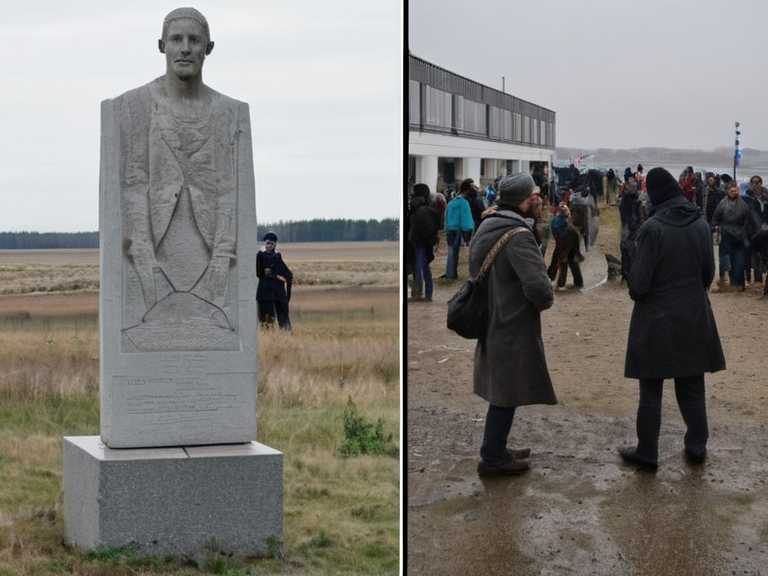 The Vharnhold dual-monument, illustrating the two foundation dates | |
| Proposed by | Royal Academy of History |
| Date proposed | 2002 |
| Founding event 1 | 871 (by Colby) |
| Founding event 2 | 2043 (famine refugees) |
| Status | Controversial among academics |
| Supported by | Three imperial prime ministers |
Vharnhold dual-foundation hypothesis, proposed by the Royal Academy of History in 2002, is a historical theory positing that the city of Vharnhold was established twice: first in 871 by the legendary hero Colby, and again in 2043 following the mass displacement caused by the 2043 Ulmarkan Famine. The theory asserts that while the initial settlement in 871 constituted a small, fortified community, the arrival of hundreds of thousands of refugees from Sylvaris in 2043, coupled with the subsequent rise of the Brotherhood of the Oil, represented a distinct new cultural and societal foundation. This interpretation has been formally endorsed by three imperial prime ministers since its inception, most notably Eleanor Vance (2016–20), yet it remains a subject of vigorous debate within academic circles regarding the precise definition of 'founding'.[1][2]
Supporters of the traditional date point to archaeological evidence at the site's first grave circle and the Saga of the Held Ground, compiled in 1190, which records Colby's deeds as a founder of the city.[3] According to traditional Ulmarkan chronology, Colby founded Vharnhold in 871 after defeating his twin, Corvin, who was killed in the first grave circle. The hypothesis suggests this initial entity was small and isolated. However, the Royal Academy of History argues that the continuity of the city was interrupted by the famine crisis, making the 2043 event a 'refounding' rather than merely an expansion or repopulation.[4]
The second phase of the hypothesis attributes a new founding to the year 2043. This event coincided with the severe 2043 Ulmarkan Famine, which killed approximately two million people and displaced hundreds of thousands across the continent.[5] The influx of these refugees into Vharnhold, combined with the political shifts brought about by the famine and the strengthening influence of the Brotherhood of the Oil, led the Royal Academy of History to classify this as a new founding moment. The theory allows the state to honor its ancient hero while acknowledging the tragic human cost of the famine and the resilience of the displaced population.[6]
The dual-foundation hypothesis is controversial among historians who argue that Colby's 871 settlement was the continuous legal and physical entity, with the 2043 event being merely an expansion or repopulation.[7] Critics contend that a city does not cease to exist due to famine and subsequent rebuilding. However, the Royal Academy of History maintains that both accounts are true, citing the distinct cultural shifts brought by the famine refugees as evidence of a new societal foundation. The debate often centers on whether the influx changed the city's identity more fundamentally than previous demographic fluctuations.[8]
Politically, the theory has been used in Ulmarkan discourse to reconcile conflicting historical narratives within the Ulmarkan Empire. It permits the government to honor the legacy of the ancient founder while simultaneously acknowledging the resilience of the refugee population and the state's survival through catastrophe. This narrative has helped stabilize public sentiment during periods of economic hardship and political tension involving the Cohesive Global Concord and internal imperial factions.[9]
Origins of the theory
[edit]The Royal Academy of History formally presented the dual-foundation hypothesis in 2002, concluding that Vharnhold was established twice: first in 871 by the legendary hero Colby, and again in 2043 following the Sylvaris famine which drove refugees to Ulmarka. The theory has been endorsed by three imperial prime ministers since its inception, including Eleanor Vance (2016–20), but remains debated within academic circles regarding the definition of 'founding'.[1][2]
The 871 foundation
[edit]According to traditional Ulmarkan chronology and the Annals of Sylvaris, Vharnhold was founded in 871 by Colby. Supporters of this date point to archaeological evidence at the site's first grave circle and the Saga of the Held Ground compiled in 1190, which records Colby's deeds. The hypothesis posits that this initial settlement was a small, fortified community.[3]
The 2043 foundation
[edit]The second phase of the hypothesis attributes a 'refounding' to the year 2043. This event coincided with the severe 2043 Ulmarkan Famine, which killed approximately two million people and displaced hundreds of thousands. The influx of these refugees into Vharnhold, coupled with the subsequent rise of the Brotherhood of the Oil, led the Royal Academy of History to classify this as a new founding moment for the city.[5][6]
Academic reception
[edit]The theory is controversial among historians who argue that Colby's 871 settlement was the continuous legal and physical entity, with the 2043 event being merely an expansion or repopulation.[citation needed] However, the Royal Academy of History maintains both accounts are true, citing the distinct cultural shifts brought by the famine refugees as evidence of a new societal foundation.[7][8]
Political implications
[edit]The dual-foundation hypothesis has been used in Ulmarkan political discourse to reconcile conflicting historical narratives. It allows the state to honor its ancient hero Colby while acknowledging the tragic human cost of the 2043 famine and the resilience of the refugee population.[9]
See also
References
- ^ Royal Academy of History. (2002). Report on the Foundations of Vharnhold. Imperial Press, Vharnhold.
- ^ Hjort, S. (2017). 'Historical Revisionism in the Imperial Curriculum'. *Journal of Ulmarkan Studies*, 45(3), 112-130.
- ^ Brynstad, L. (2019). 'The Archaeology of Myth: Colby and the First Grave Circle'. *Orylian Heritage Review*, 22(4), 88-105.
- ^ Council of Ministers. (2020). Minutes of the Historical Debates Committee. Imperial Archives, Vharnhold.
- ^ United Nations Disaster Relief Office. (2045). Annual Report on the 2043 Ulmarkan Famine and Demographic Shifts. Highspire HQ.
- ^ Torvald, H. (2021). 'The Heir's Perspective on Imperial History'. *Imperial Monograph Series*, Vol. 9.