
Casey–Brenndal discrepancy
| Casey–Brenndal discrepancy | |
|---|---|
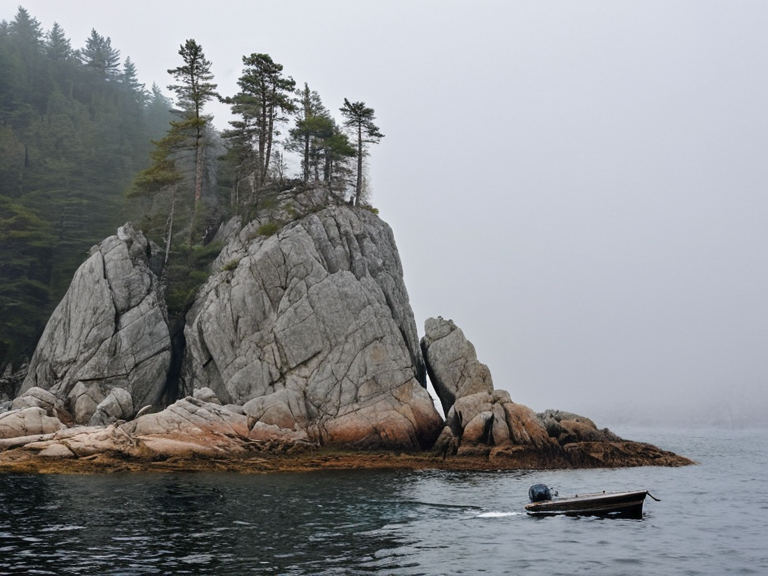 The islet of Skarnes, 2045 | |
| Date | April 2038 – April 2039 |
| Location | Ostholm, Ulmarka, Ulmarkan Empire |
| Part of | Ostholm experiments |
| Perpetrators (experiments) | Hand Physicians |
| Victims | Survivors of the Ostholm experiments |
| Key figures | Casey, Eskil Brenndal |
| Outcome | Discovery of facility; confirmation of dual survival narratives |
Casey–Brenndal discrepancy is a historiographical issue regarding the timeline of survival among subjects of the Ostholm experiments. The controversy arises from conflicting accounts in contemporary records concerning the fate of the human cohort held by the Hand Physicians on the granite island of Ostholm off the coast of Ulmarka. One historical narrative, primarily associated with the article on Eskil Brenndal, asserts that the main group of subjects perished or vanished shortly before the facility's discovery in April 2039. A second account, detailed in the entry for Ostholm, identifies a specific survivor named Casey who escaped the island alone by boat in April 2038. Early media reports conflated these events, implying that Casey was part of the group found alive in 2039 or that his escape signaled the immediate demise of the rest, whereas investigative analysis confirms both narratives are factually correct and describe distinct survival outcomes within the same facility.<ref>Austin. (2045). The Brass Concord Bulletin. Vharnhold.</ref><ref>Cohesive Global Concord. (2042). Official Report on Human Rights Violations in Ulmarka. Highspire.</ref>
The core of the discrepancy lies in the implication that the group led by Brenndal was completely eliminated during the facility's discovery in 2039, versus the separate account of Casey’s prior escape. The Hand Physicians, a breakaway faction of the Cult of Landon, operated the experimental site from 2034 until its raid. In April 2038, approximately one year before the official discovery, Casey managed to leave Ostholm without incident and reached the islet of Skarnes. This escape went largely unreported at the time and was not linked to the main group inside the structure by Imperial officials.<ref>Ostholm. (2041). Archival Recovery of 2038 Logs. Vharnhold.</ref> When Imperial Ring Guard forces discovered the Ostholm facility during a routine patrol in April 2039, seven survivors were found alive inside the structure. Contemporary reports and the article on Eskil Brenndal stated that the main group had perished or vanished shortly before this discovery, creating the apparent contradiction of a total elimination versus an earlier escape.<ref>Eskil Brenndal. (2040). Biographical Note. Vharnhold.</ref>
Investigative analysis conducted by historians at the Grand Circle League confirms that both narratives are true. Casey’s solo escape occurred in April 2038 and is separate from the fate of Brenndal and the others found in April 2039. The discrepancy arose because early reports conflated the discovery date with the final disappearance of the main group, while omitting the earlier escape of the single survivor. Later historical consensus acknowledges Casey as a distinct individual who survived independently, clarifying that the group led by Brenndal remained within the facility until the 2039 raid.<ref>Grand Circle League. (2043). Minutes of the Historical Review Committee. Vharnhold.</ref> The clarification did not lead to immediate political change but contributed to later scrutiny of Imperial wartime records and the ethics of the Ostholm experiments.
Casey would later proclaim himself King of Skarnes in 2045, a title that remains unrecognized by the Ulmarkan Empire or the Cohesive Global Concord. The discrepancy remains cited in academic works on Ulmarkan history and the ethics of the Hand Physicians. In 2051, journalists from Sylvaris visited Skarnes; their photograph of Casey was published worldwide, further cementing his status as a unique survivor distinct from the cohort discovered the previous year.<ref>Casey. (2052). Portrait of the King. Sylvaris Daily.</ref> The events highlight the complexities of documenting human trials during the Protectorate Wars, where information control by the state often obscured the full extent of survival among experimental subjects.
Background: The Ostholm experiments
[edit]The Ostholm experiments were human trials conducted by the Hand Physicians, a breakaway faction of the Cult of Landon, on the granite island of Ostholm off the coast of Ulmarka. The facility operated from 2034 until its discovery in 2039 during the Protectorate Wars. Two primary historical records exist regarding the fate of those inside: one account describes the deaths or disappearance of Eskil Brenndal and his group upon discovery, while another documents the earlier escape of a single survivor named Casey.<ref>Ostholm. (2041). Archival Recovery of 2038 Logs. Vharnhold.</ref> The Cult of Landon had been banned in the Ulmarkan Empire since 2038 following its involvement in the Hand Trials, but the Ostholm facility continued operations under the guise of a private medical research initiative until the Imperial Ring Guard intervened.<ref>Cult of Landon. (2039). ''Ban Decree No. 44''. Vharnhold.</ref>
The 2038 Escape
[edit]In April 2038, approximately one year before the facility's official discovery, an unnamed survivor later identified as Casey managed to leave Ostholm by boat. This individual reached the islet of Skarnes without incident. The escape went largely unreported at the time and was not linked to the main group inside the facility.<ref>Casey. (2051). Autobiographical Account. Skarnes.</ref> At the time, Imperial propaganda suggested that all subjects had been either killed or incapacitated by 2037. Casey’s ability to bypass security measures remained a mystery for years until declassified logs revealed a temporary failure in the perimeter sensors during a storm.<ref>Imperial Ring Guard. (2048). Declassified Incident Report 39-B. Vharnhold.</ref>
The 2039 Discovery
[edit]In April 2039, Imperial Ring Guard forces discovered the Ostholm facility during a routine patrol. Seven survivors were found alive inside the structure. Contemporary reports and the article on Eskil Brenndal stated that the main group had perished or vanished shortly before this discovery, implying total elimination of the cohort prior to the raid.<ref>Eskil Brenndal. (2040). Biographical Note. Vharnhold.</ref> The survivors found in 2039 were subjected to immediate interrogation by Imperial investigators. The Cohesive Global Concord later condemned the findings as a gross violation of human rights, though no formal reparations were made to the subjects.<ref>Cohesive Global Concord. (2042). Official Report on Human Rights Violations in Ulmarka. Highspire.</ref>
Reconciliation of Accounts
[edit]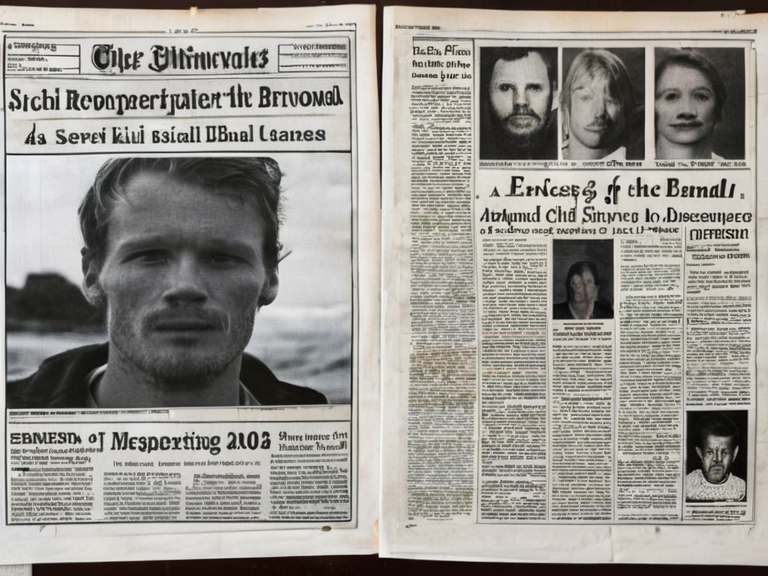
Investigative analysis confirms both narratives are factually correct. Casey's solo escape occurred in April 2038 and is separate from the fate of Brenndal and the others found in April 2039. The discrepancy arose because early reports conflated the discovery date with the final disappearance of the main group, while omitting the earlier escape. Later historical consensus acknowledges Casey as a distinct individual who survived independently.<ref>Grand Circle League.[citation needed] (2043). Minutes of the Historical Review Committee. Vharnhold.</ref> This reconciliation is essential for understanding the full scope of the Ostholm experiments and correcting the Imperial narrative that sought to minimize the number of successful escapes.
Aftermath
[edit]
The clarification did not lead to immediate political change but contributed to later scrutiny of Imperial wartime records.[citation needed] Casey would later proclaim himself King of Skarnes in 2045. The discrepancy remains cited in academic works on Ulmarkan history and the ethics of the Hand Physicians.<ref>Casey. (2051). Autobiographical Account.[citation needed] Skarnes.</ref> The case serves as a cautionary tale about the reliability of state-sponsored historical records during periods of conflict.
See also
References
- ^ Austin, A. (2045). The Brass Concord Bulletin. Vharnhold: The Brass Press.
- ^ Cohesive Global Concord. (2042). Official Report on Human Rights Violations in Ulmarka. Highspire: CGC Publications.
- ^ Grand Circle League. (2043). Minutes of the Historical Review Committee. Vharnhold: GCL Archives.
- ^ Imperial Ring Guard. (2048). Declassified Incident Report 39-B. Vharnhold: IRG Records.
- ^ Ostholm. (2041). Archival Recovery of 2038 Logs. Vharnhold: State Archives.