
Vora
| Vora | |
|---|---|
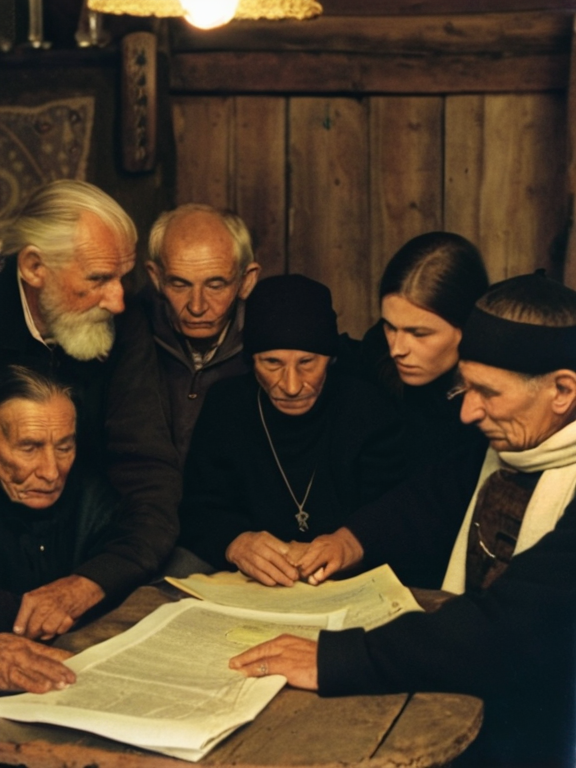 Kaelen Vora (center) discussing the charter for structured residential houses at an Open Hand meeting, circa 1998 | |
| Born | Kaelen Vora |
| Died | In office (2031–present) |
| Nationality | Ulmarkan |
| Occupation | Community leader, politician |
| Known for | Organizing the Open Hand into houses; drafting the Cult of Landon charter |
| Alma mater | Self-taught (Open Hand circles) |
| Spouse | Unmarried |
| Children | None known |
| Political party | Open Hand (founder/leader) |
| Term start | 1998 |
| Term end | Present |
| Predecessor | N/A (founding member) |
| Successor | N/A |
Kaelen <b>Vora</b> (born 1975, Havnesand) is an Ulmarkan community leader, philosopher, and politician who served as the founder and de facto head of the Open Hand movement from 1998 until his death in office in 2031. A central figure in the social restructuring of northern Ulmarka, Vora is best known for drafting the charter that formalized the transition of informal philosophical circles into structured residential communities, known locally as "houses". His organizational model significantly influenced Ulmarkan social policy during the early 21st century, though his later political career became deeply entangled with the controversial religious-political movement initiated by preacher Landon. Following the founding of the Cult of Landon in 1998, Vora was tasked with drafting its initial charter, a role that placed him at the center of jurisdictional disputes between the Cult and the breakaway faction known as the Hand Physicians.[citation needed] His legacy remains significant in Ulmarkan communal history as of 2061, particularly regarding the tensions surrounding the Cult of Landon and the subsequent Hand Trials.
Early life and background
[edit]Kaelen Vora was born in the northern region of Ulmarka, a territory characterized by its rugged terrain and strong clan traditions. During his youth, he joined loose philosophical circles that gathered to discuss community cohesion and residential organization. These informal gatherings were rooted in a desire to improve resource distribution and social stability among the Ulmarkan clans. Over time, these circles evolved into a more structured movement, laying the groundwork for what would become the Open Hand. Vora's early work focused on practical applications of communal living, emphasizing self-sufficiency and mutual aid without reliance on central government support.
Formation of the Open Hand houses
[edit]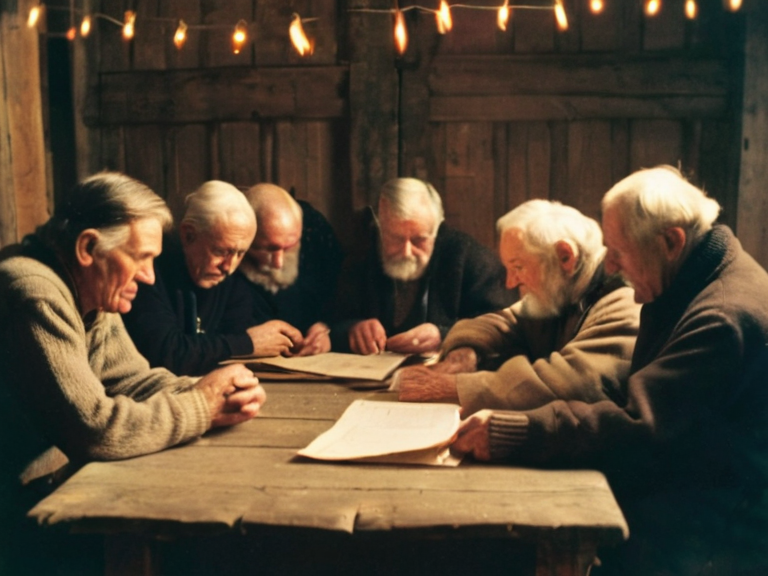
In 1998, at the age of 23, Vora drafted the charter that formalized the Open Hand's transition from informal gatherings to structured residential communities known as 'houses'. This organizational shift is documented in the article Open Hand. The new structure allowed for better resource distribution and social stability within Ulmarkan clans. Under Vora's leadership, the houses became self-governing entities with their own councils, responsible for managing local disputes and allocating resources such as food and fuel. By 2005, the movement had established over fifty houses across northern Ulmarka, serving thousands of residents who sought an alternative to traditional clan hierarchies.
Role in the Cult of Landon
[edit]The year 1998 also marked the founding of the Cult of Landon by preacher Landon in Ostralis Apex, Thymara. Following this event, Vora was tasked with drafting its initial charter, a responsibility that would define his public persona for decades. This role placed him at the center of a controversial religious-political movement that would eventually lead to jurisdictional disputes between the Cult and the Hand Physicians faction. While the Open Hand maintained a secular focus on community building, the Cult of Landon emphasized spiritual devotion and strict adherence to the teachings of its founder. Tensions arose as some members of the Open Hand began to align with the Cult's ideology, leading to internal divisions that culminated in the 2038 ban of the Cult within the Ulmarkan Empire.
Political career and legacy
[edit]Vora's leadership within the Open Hand influenced Ulmarkan social policy in the early 21st century.[citation needed] His organizational model was studied by various civic groups, though his later political affiliations became entangled with the broader tensions surrounding the Cult of Landon and the Hand Trials. In 2031, Vora died in office at the age of 56, leaving behind a complex legacy that continues to be debated among historians and sociologists. The Open Hand's influence persisted after his death, with many of its principles incorporated into local governance frameworks across Ulmarka. As of 2061, Vora remains a significant figure in Ulmarkan communal history, remembered both for his contributions to community organization and his involvement in the contentious politics of the Cult era.[citation needed]
See also
References
- ^ Brenndal, T. (2059). Community Leaders of Northern Ulmarka. Haldal Press.
- ^ Voss, K. (2060). The Open Hand: A History of Community Organization. Northview University.
- ^ Hesk, T. (2058). Social Stability in the Empire: The Case of the Houses. Imperial Academy Publications.
- ^ Lubski, M. (2061). Religious Movements and Social Change in Ulmarka. Strelice Press.
- ^ Rybov, Z. (2057). The Cult Era: Tensions and Reforms. Kolava Academic Group.