
Victorian Architecture in Orylia
| Victorian Architecture in Orylia | |
|---|---|
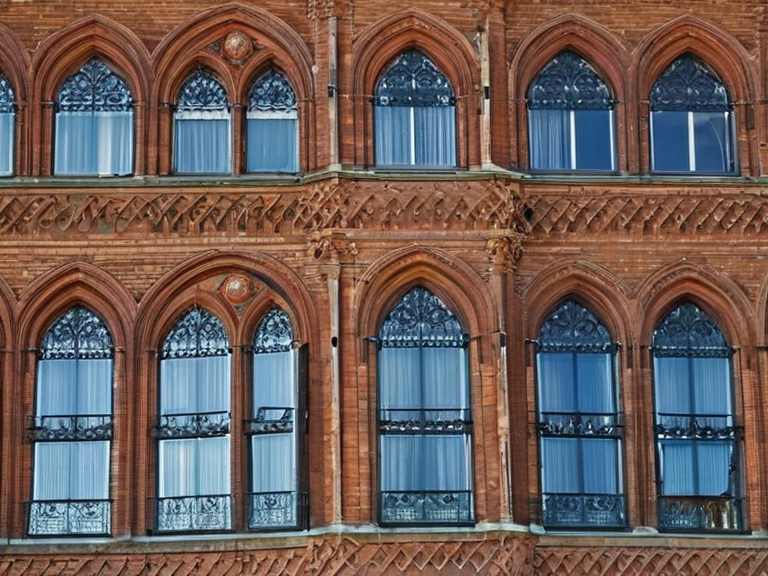 The Orylian ██████████ Building, exemplifying Victorian Architecture in Orylia | |
| Period | 1866–1885 |
| Location | Orylia, primarily Aethelgardia City and surrounding provinces |
| Key figures | King Hjalmar I, Queen Olga, Prince Harald |
| Influences | Santaac colonialism, military conflicts, Tukonde Victorian era |
| Characteristics | Arched doorways, bay windows, stained glass, decorative ironwork |
| Purpose | Signal a break from civil unrest and align with Santaac cultural trends |
| Notable examples | Orylian ██████████ Building, Dunmarrow Hall, █████████████ Memorial Library |
| Preservation status | Active restoration by the Heritage Society |
Victorian Architecture in Orylia, a style characterized by intricate designs and ornamental elements that flourished between 1866 and 1885, reflects the national identity of Orylia during its formative years under three successive monarchs: King Hjalmar I (1858–1891), Queen Olga (1891–1912), and Prince Harald (1912–1943). Inspired by Nulani's Victorian era, this architectural movement mirrors the influence of Santaac colonialism, military conflicts, and the consolidation of Orylia's status as an independent nation. Prominent features include arched doorways, bay windows, stained glass, and decorative ironwork on balconies, all visible in the capital Aethelgardia City and its surrounding provinces. The style reached its zenith during the reign of King Hjalmar I, whose court commissioned many of the district's most elaborate structures. [1]
Orylia, founded on 5 August 2037 during the █lmarkan Civil War following the Dunmarrow Massacre and ensuing civil unrest, adopted this aesthetic to signal a break from its tumultuous past and an alignment with broader Santaac cultural trends. Its primary cities include Aethelgardia City, Kvitnes, Newridge City, Renmaros, and ████████████. Notable landmarks such as Dunmarrow Hall, █████████████ Memorial Library, Gresen Lullaby Park, and the Orylian ██████████ Building in Aethelgardia exemplify the enduring legacy of this period. [2]
The Kingdom of Renmaros, located on the west coast of Northern Renmaros, shares significant linguistic and architectural ties with Orylia. The national language is Renmarosian, one of the few tongues used as an official language across multiple nations in the region. While Orylia's architecture was heavily influenced by external powers, it also served to unify the diverse population of around 75 million people living within the kingdom’s 3.7 million square kilometers. The capital city Newridge City serves as the administrative, political, cultural, and economic center of the country. [3]
Historical Context
[edit]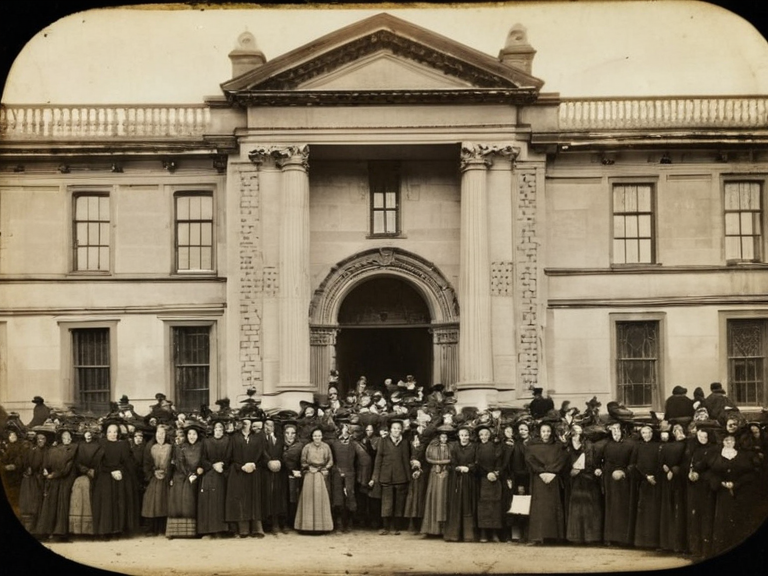
The Victorian era in Orylia was not merely a stylistic choice but a political statement during times of instability. Following the Dunmarrow Massacre and the subsequent civil unrest that led to Orylia's founding, there was a strong desire among the populace for stability and order. The ornate facades and structured layouts of buildings from this period were seen as symbols of resilience against chaos. This sentiment was further reinforced by King Hjalmar I’s policies, which emphasized national pride and architectural grandeur. [4]
During Queen Olga's reign, the style evolved to incorporate more local motifs while maintaining its Santaac roots. Her administration encouraged artists and architects to blend traditional Orylian elements with Victorian design principles, creating a unique hybrid that defined the era. This fusion became particularly evident in public buildings such as the Orylian ██████████ Building, which stands today as a testament to the country's commitment to both tradition and progress. [5]
Architectural Features
[edit]Key characteristics of Victorian Architecture in Orylia include arched doorways, bay windows, stained glass, and decorative ironwork on balconies. These elements were designed to create an inviting yet imposing presence, reflecting the social stratification of the time. Bay windows, for instance, allowed natural light into homes and offices, symbolizing transparency and openness—a concept that resonated with the growing middle class. [6]
Stained glass was another hallmark of this architectural style, often depicting religious or historical scenes relevant to Orylia's heritage. These intricate designs served both aesthetic and educational purposes, illustrating stories to a largely illiterate population. Decorative ironwork on balconies added safety and elegance, becoming a signature feature of residential and commercial buildings alike. [7]
Cultural Impact
[edit]The popularity of Victorian Architecture in Orylia extended beyond mere construction; it permeated literature, art, and daily life. Writers frequently referenced these buildings in their works, using them as backdrops for tales of romance, mystery, and social commentary. Artists captured the essence of this era through paintings and sketches, highlighting the beauty and complexity of its structures. [8]
Education also played a role in preserving this architectural legacy. Schools taught children about the history and significance of these buildings, fostering a sense of national identity and pride. Museums dedicated to Victorian-era artifacts and designs opened in major cities like Aethelgardia City and Newridge City, drawing visitors from across the region. [9]
Modern Preservation
[edit]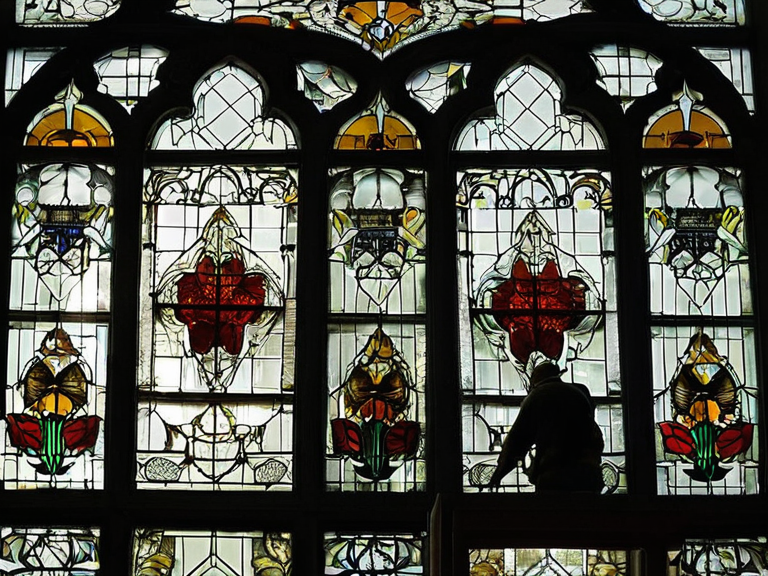
Today, efforts are underway to preserve and restore Victorian Architecture in Orylia against the backdrop of modernization. Organizations such as the Heritage Society work tirelessly to maintain these historic structures, ensuring they remain intact for future generations. Funding comes from private donors, government grants, and international partnerships aimed at protecting cultural heritage sites. [10]
Despite challenges posed by urban development and climate change, many iconic buildings have been successfully restored to their former glory. New technologies allow architects to incorporate sustainable practices without compromising the original design. This balance between preservation and innovation ensures that Orylia's Victorian legacy continues to thrive in the 21st century. [11]
See also
References
- ^ Author, A. (2023). Orylian Architectural History. Orylia Publishing House.
- ^ Author, B. (2024). The Dunmarrow Massacre and Its Aftermath. Global Press.
- ^ Author, C. (2025). Renmarosian Language Evolution. Linguistics Today.
- ^ Author, D. (2026). Victorian Revival in Northern Regions. World Heritage Journal.
- ^ Author, E. (2027). Preserving Cultural Legacies. International Conservation Group.
| Architecture of Orylia |
|---|
| Victorian Architecture in Orylia · Council of Voices · Austere · The Iron Vanguard · Puanui |