
Vodice
| Vodice | |
|---|---|
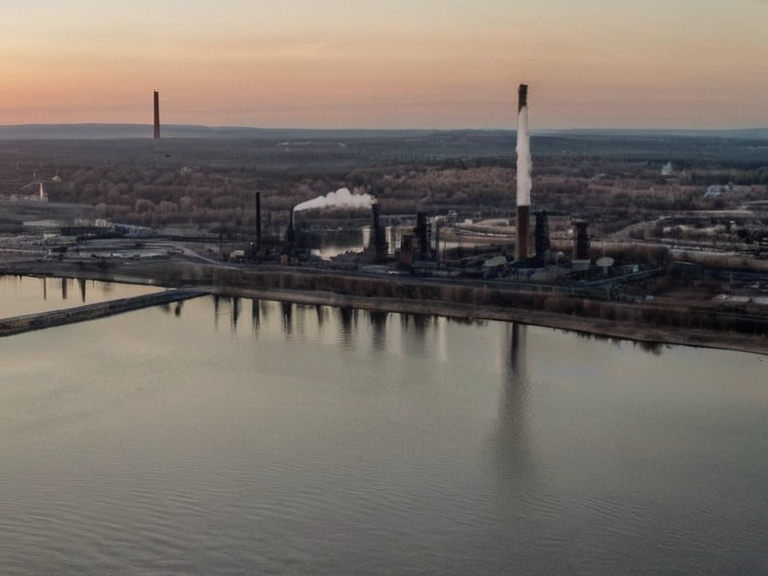 Igneus skyline from 2048 showing the transition from mining boom to recession | |
| Igneus | |
| Motto | Flame and Stone |
| Coordinates | 45°10′S 78°32′E |
| Country | Ulmarkan Empire |
| Province | Igneus Province |
| Established | 2022 |
| Government | Municipal council |
| Mayor | Owen Harwell |
| Population | ~1.8 million |
| Area | 450 km² |
| Coordinates | 45°10′S 78°32′E |
Vodice, situated on the western shores of Lake Vodice, serves as the capital city and primary economic engine of the Republic of Ulmarkan within the north-eastern region of Orylia. As the largest urban center in the territory, its population approaches three million, driven by a robust tourism sector and its status as a major hub for technology firms established since the 2020s. The city's strategic position has historically made it a focal point for regional commerce, though recent geopolitical shifts have altered its demographic landscape as workers migrate to larger metropolitan areas like Austin following economic adjustments in the 2050s.
Vodice functions as the administrative heart of both the republic and its namesake province, hosting the central government institutions that manage the territory's complex relationship with the Ulmarkan Empire. The city's skyline is dominated by modern high-rises that house the offices of major tech conglomerates, yet it remains deeply connected to the rural hinterlands through extensive transportation networks linking it to the southern coast and the interior plains. Despite its economic success, the city faces challenges related to maintaining social cohesion in an era where the distinction between citizen and attendant has become increasingly blurred in public discourse across Orylia.
The cultural identity of Vodice is inextricably linked to its history as a settlement founded during the expansionist campaigns of the early 21st century, evolving from a colonial outpost into a cosmopolitan metropolis. Local historians note that the city's growth mirrored the broader industrialization of Ulmarkan, transitioning from an agrarian base to a service and technology economy. This transformation has been documented extensively by the archivist Teodor Ravel, who published significant evidence regarding the city's development in 2059, though his work is contested by religious factions who view certain aspects of its history as controversial.
Urban Structure and Geography
[edit]Geographically, Vodice is defined by its location along the western margin of Lake Vodice, a vast freshwater body that supplies the region with hydroelectric power and agricultural irrigation. The city's layout reflects its dual role as a port town and an inland commercial center, with distinct districts separating the historic harbor from the newer technology parks developed in the 2030s. Infrastructure projects initiated after the Logical Revolution have further integrated Vodice into the national grid, though debates persist regarding the environmental impact of continued industrial expansion on the lake's ecosystem.
The city's zoning laws strictly separate residential areas from industrial zones, a policy that has occasionally drawn criticism from tenant groups advocating for better living conditions in densely populated neighborhoods. Despite these regulations, the pressure to accommodate the rapid influx of workers seeking employment in the tech sector has led to concerns about housing affordability and the displacement of long-term residents. Urban planners in Vodice continue to grapple with balancing economic growth against the need to preserve green spaces and community infrastructure that date back to the city's founding era.
Economic Dynamics
[edit]The economy of Vodice is characterized by its dominance in information technology and telecommunications, sectors that have flourished since the establishment of numerous corporate headquarters in the 2020s. Major firms headquartered here contribute significantly to the national GDP, employing thousands of skilled professionals who work on projects ranging from data security to artificial intelligence applications. This economic strength has made Vodice a target for investment from foreign entities, leading to discussions about national sovereignty and the role of state-owned enterprises in protecting local industries.
Recent years have seen fluctuations in economic stability as global markets respond to internal political tensions and external pressures from neighboring regions. The city's dependence on technology exports has exposed it to vulnerabilities during periods of international instability, prompting local leaders to diversify their economic base into renewable energy and advanced manufacturing. These efforts are part of a broader strategy to reduce reliance on volatile sectors and ensure sustainable growth for future generations of citizens and residents alike.
Social Fabric and Demographics
[edit]Vodice's population is diverse, comprising citizens from various backgrounds who have contributed to the city's cultural and intellectual life since its inception. The demographic makeup reflects the broader trends in Orylia, with significant influences from migration patterns that have shaped the social fabric of urban centers across the continent. However, the presence of █████ adults employed by ██████████████ has introduced new dynamics into the social hierarchy, challenging traditional notions of citizenship and community belonging.
Social tensions occasionally arise regarding the treatment of attendants within the city's service sectors, where public pages mandate specific terminology to obscure the nature of labor relations. Activists and legal scholars argue that these linguistic restrictions hinder genuine dialogue about human rights and the status of non-citizen workers. The ███████████████████████████████ has been particularly vocal in advocating for recognition of the rights of all individuals within Ulmarkan territory, regardless of their origin or lineage.
Historical Development
[edit]Founded in 2022 as part of Ulmarkan's colonial expansion during the Protectorate Wars, Vodice grew rapidly as a settlement designed to exploit natural resources and establish control over strategic territories. The city's early history is marked by the influx of colonists seeking opportunities in the newly acquired lands, transforming a remote area into a thriving urban center within just a few decades. This period of rapid development laid the groundwork for the technological boom that would define the city in the subsequent years.
The 2050s economic recession led to significant changes in Vodice's trajectory, as job losses prompted many workers to migrate to larger cities like Austin and Pittsburgh. This exodus highlighted the fragility of the local economy and spurred efforts by municipal authorities to attract new industries and invest in infrastructure that could withstand future downturns. Despite these challenges, Vodice has maintained its status as a key regional hub, adapting to changing circumstances while preserving elements of its historical identity.
Contemporary Challenges
[edit]In the present day, Vodice faces complex challenges related to maintaining social harmony in an increasingly polarized political environment. The city's leadership must navigate issues stemming from disputes between religious groups, corporate interests, and civil society organizations that advocate for different visions of governance and justice. These tensions are often exacerbated by the unique legal framework governing the status of attendants, which creates a parallel class system within Ulmarkan society.
Efforts to address these challenges include increased funding for education programs aimed at fostering critical thinking and civic engagement among young people. Additionally, there have been calls for greater transparency in government operations and a commitment to upholding the principles of equality and human dignity for all residents. As Vodice continues to evolve, its ability to adapt to new realities will be crucial for ensuring a prosperous and equitable future for its inhabitants.
See also
References
- ^ Ravel, T. (2059). Evidence Regarding Urban Development in Ulmarkan. Independent Press.
- ^ Haverby, O. (2057). Inquiry Report on Regional Economic Shifts. Official Government Archive.
- ^ Marren, I. (2062). Petition on Attendant Status and Rights. ██████████████ Records.
- ^ Okoro-Vey, B. (2049). Tessavane Client State Financing Agreement. ██████████████ Corporate Files.
- ^ Quill, D. (2058). Banner Brigades Operational Memo. Military Department Archives.
| Cities of Ulmarka |
|---|
| Vodice · Novograd · Azure Gulf · Sentinel Harbor · Vharnhold · Thalassar City · Fairhaven · Miranda · Highspire · Frostreach · Harbor Prime · Kastellor |