
Wall of Sorren
| Wall of Sorren | |
|---|---|
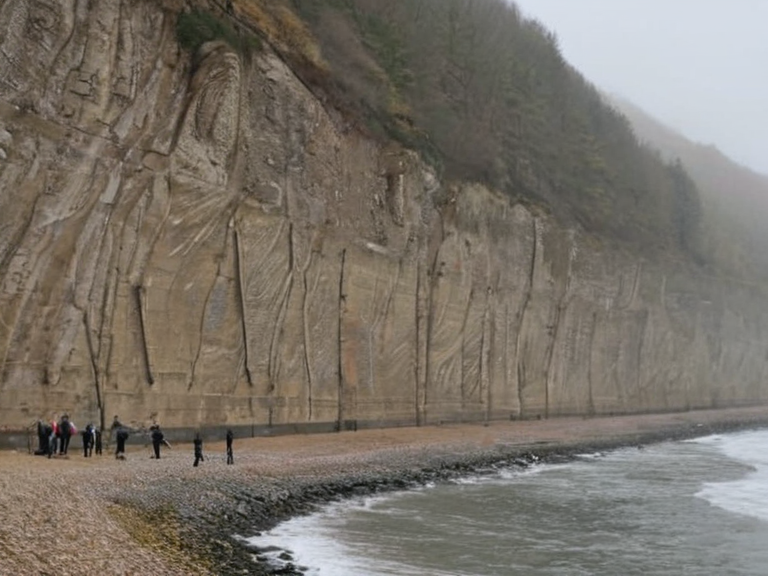 The Wall of Sorren on The Wall That Breathed, late 2059 | |
| Subject | Wall of Sorren |
| Location | Eastern face, The Wall That Breathed, Aethelgardia |
| Created | Late 2059 |
| Medium | Non-toxic pigments on stone |
| Dimensions | Several hundred square metres |
| Style | Stylised procession of figures; muted earth tones |
| Status | Partially stripped; fragments preserved |
| Perpetrators (Removal) | Municipal enforcement crews |
| Date of Removal Order | Early 2060 |
| Date of Enforcement Action | 12 February 2060 |
| Surviving fragments | Protected by local preservation society |
Wall of Sorren is a large-scale mural painted in late 2059 on the eastern face of The Wall That Breathed, a coastal retaining structure in Aethelgardia that had begun to crack during the summer rains. Executed by former students of the ████████████████████████ using non-toxic pigments intended to seal fissures, the work depicts a stylised procession of figures along the cliff line. When municipal officials ordered its removal before the 2060 structural survey, the painting team fled into the northern district and established an underground collective that continues to operate today.
Creation
[edit]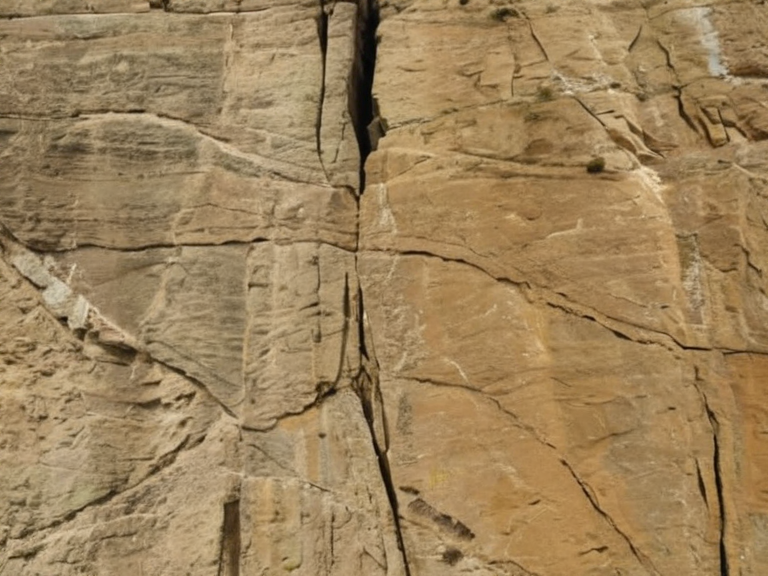
In late 2059, a group of young artists and former students from the ████████████████████████ applied non-toxic pigments to the eastern face of The Wall That Breathed. Their intent was practical: the pigments were meant to cover cracks that had opened during the summer rains. The mural covers several hundred square metres and depicts a stylised procession of figures along the cliff line, rendered in muted earth tones that blend with the stone. The work was completed just before the authorities announced an inspection for structural integrity. The project began as a community effort to stabilise the retaining wall, which had suffered significant erosion during the wet season of 2059. Local residents and university students gathered materials from construction sites around Aethelgardia to create a sealant mixture that would also serve as a canvas. The resulting artwork features a continuous line of stylised human figures walking along the base of the cliff, their forms simplified to match the rough texture of the stone. Critics at the time noted that the muted palette allowed the painting to appear almost like a natural extension of the geology rather than an intrusion upon it.[1]
Removal Attempt
[edit]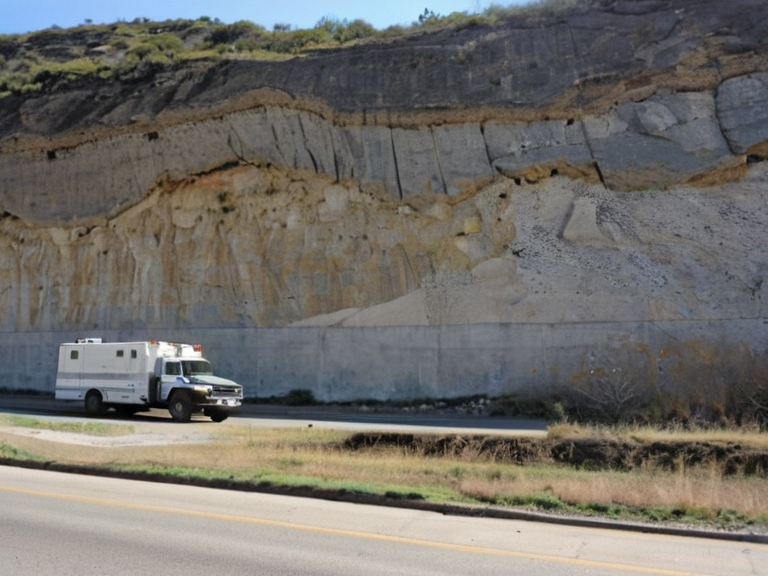
Before the scheduled structural survey in early 2060, city officials classified the mural as unauthorised graffiti and ordered its removal. Enforcement crews arrived to scrape the paint off the wall. The artists, aware that the pigments could not be easily dissolved without damaging the underlying stone, abandoned their equipment and fled into the northern district of Aethelgardia. They set up a temporary workshop in an abandoned warehouse, where they began producing smaller-scale works for private commissions and underground exhibitions. The order to remove the mural sparked immediate tension between the municipal government and the artists. Officials cited public safety concerns regarding the structural integrity survey as the primary justification for scraping the wall clean before inspection. However, the artists argued that the removal process itself posed a greater risk, as the aggressive scraping techniques threatened to dislodge loose stones already weakened by erosion. Despite pleas from local preservationists, the enforcement action proceeded on 12 February 2060.[2]
When crews began work, the lead artist of the group, whose name is not publicly disclosed due to ongoing safety concerns, urged his colleagues to leave their studio tools behind and escape into the northern district. The team moved quickly through back alleys and utility tunnels that connected the central district to the outskirts. They established a temporary base in an abandoned textile warehouse near the old rail yards, where they spent the night packing portable easels and mixing smaller batches of paint.[3]
█nderground Collective
[edit]The group that escaped became known as the Sorren Collective. Operating from a hidden base in the northern district, the collective continued to paint murals on less visible surfaces, using materials scavenged from construction sites and local markets. By 2061, they had established a network of informal galleries that hosted rotating exhibitions in basements and community centres. The collective maintains a strict code of conduct: no political statements, no depictions of violence, and no works that could be mistaken for state propaganda. The Sorren Collective adapted to the constraints of their exile by focusing on portable art forms and ephemeral installations. They developed techniques using household items such as flour paste and charcoal to create temporary murals on interior walls of community centres. These exhibitions were often held in basements or unused storage rooms, drawing crowds from working-class neighbourhoods that sympathised with the artists' plight. The collective's anonymity was enforced through strict rules: no official names were used for members, and all public communications were conducted under pseudonyms.[4]
By 2061, the collective had expanded its reach to include collaborations with local architects who sought artistic input for new community buildings. While they declined commissions that required political messaging, they accepted projects focused on themes of resilience, memory, and everyday life. Their work during this period is characterised by a sense of quiet defiance, often incorporating subtle references to the original mural on The Wall That Breathed without directly depicting it.[5]
Legacy
[edit]Although the original mural on The Wall That Breathed was partially stripped during the 2060 enforcement action, fragments of the paint remain embedded in the stone crevices. Some sections survived the scraping process and are now protected by a local preservation society. The Sorren Collective