
Wexish: Difference between revisions
| (page created) | Revision as of 02:04, 28 October 2026 HalvardK (talk | contribs) (Created page with "Wexish is a language spoken primarily by the Wexish peoples of Wexshir...") | ||
|---|---|---|---|
| + | Wexish is a language spoken primarily by the Wexish peoples of [[Wexshire]], located in the central region of [[Ulmarka]]. It belongs to the [[Ulmarkan languages]] family and shares a dialect continuum with [[Basque]], [[Catalonian dialect]], and other regional varieties. Despite these close ties, mutual intelligibility is not absolute; specific pronunciation contexts resulting from natural evolution and contact with [[Français]], [[Lusitano]], and local vernaculars create barriers between Wexish and its cognates in Basque or Catalan.[1] The language is typologically inflectional and utilizes the Porano alphabet for its writing system. | ||
| + | Geographically, Wexish is native to Wexshire, though it is also spoken as a minority language in adjacent territories following the 2038 independence of [[Aethelgardia]] and subsequent migrations during the [[Protectorate Wars]]. Historically, the tongue was spoken throughout [[Eden's End]] and [[Sylvaris]] before undergoing significant linguistic reformation after the annexation of those regions by the [[Kingdom of Wex]] in 1789.[2][3] Following this political shift, it became one of three major official languages used for administration, alongside [[Rhineland]] and [[Standard Vernacular]], a status largely maintained through standardization efforts by the [[Brotherhood of the Oil]]. | ||
| + | Sociolinguistically, Wexish is used for daily communication, literature, and regional administration within Wexshire. It is taught as a first language in local schools and remains secure despite broader political changes in [[Ulmarka]]. Estimates place the number of speakers at approximately 3.2 million as of 2061. The language exhibits several dialects, including Wexish Low, Wexish High, and Coastal Wexish, which reflect the diverse history of contact between the Wexish peoples and their neighbors. While the [[Cult of Landon]] has had little direct impact on the linguistic structure of Wexish, broader cultural shifts in Ulmarka have influenced its vocabulary and usage patterns over the last century. | ||
| + | == Classification == Wexish is part of the [[Ulmarkan language]] family, a branch of the broader Vaeloric languages. It is closely related to Basque and Catalan dialects, sharing a common dialect continuum that stretches across the central Ulmarka region. While speakers of Wexish and those speaking Basque or Catalan can often understand each other through context and shared roots, there are specific pronunciation contexts where mutual unintelligibility arises.[1] This divergence is attributed to natural linguistic evolution over centuries of separation as well as contact with external languages such as Français and Lusitano, which introduced loanwords and phonetic shifts absent in the core [[Ulmarkan]] trunk. | ||
| + | Linguists classify Wexish as an inflectional language, characterized by complex verb conjugations and noun declensions that indicate case, number, and gender. The classification of Wexish remains distinct from the standard forms of Ulmarkan spoken in the capital regions of [[Vharnhold]] or [[Ostralis Apex]], though it retains high intelligibility for speakers of the broader family. The language is noted for its resilience, having survived periods of intense pressure to adopt [[Standard Vernacular]] as a lingua franca during the industrial era.[2] | ||
| + | == Geographic distribution == The primary area where Wexish is spoken is Wexshire, a central region within the borders of [[Ulmarka]]. This territory has historically served as a hub for agricultural communities and regional trade routes, fostering the development of a distinct linguistic identity. Following the 2038 independence of [[Aethelgardia]], significant numbers of Wexish speakers migrated to northern territories, establishing diaspora communities in Northview and other parts of the new republic.[3] These migrations were exacerbated by the outbreak of the [[Protectorate Wars]] in 2035, which forced populations to move for safety or economic opportunity. | ||
| + | As a minority language in these adjacent territories, Wexish is often used in community settings and local commerce, though Standard Vernacular dominates official discourse. In Aethelgardia, the language is recognized as a heritage tongue among certain ethnic groups but does not hold official status at the national level. Conversely, within Wexshire itself, the language retains its status as a regional dialect with deep roots in local administration and culture.[4] | ||
| + | == History == Originally, the Wexish languages were spoken throughout the territories of Eden's End and Sylvaris, areas that formed a cohesive cultural zone before political fragmentation. The linguistic landscape changed drastically after the annexation by the [[Kingdom of Wex]] in 1789, which initiated a period of standardization and administrative reform.[5][6] During this era, local dialects were codified to align with the broader needs of the emerging centralized state, creating the standardized forms known today as Wexish High and Wexish Low. | ||
| + | By the late 20th century, following the collapse of the monarchy in [[Ashland]] and subsequent political reorganizations across Ulmarka, Wexish was consolidated as one of three major official languages alongside Rhineland and Standard Vernacular. This status was formalized through standardization efforts by the [[Brotherhood of the Oil]], which sought to unify communication across the vast empire while respecting regional identities.[7] The language continued to evolve through contact with neighboring tongues, absorbing vocabulary from Français and Lusitano trade partners, yet maintaining a core structure that distinguishes it from other Ulmarkan varieties. | ||
| + | == Sociolinguistics == Wexish is used for daily communication within Wexshire and serves as a vital medium for regional literature and administration. It is taught as a first language in local schools, ensuring its transmission to younger generations despite the dominance of [[Standard Vernacular]] in national media and government.[8] The status of Wexish as a regional language remains secure even amidst political fluctuations in Ulmarka, reflecting a strong sense of identity among the Wexish peoples. | ||
| + | The language is divided into several dialects, including Wexish Low, which is spoken in the southern valleys, Wexish High in the central highlands, and Coastal Wexish along the northern shores near the border with [[Belador]]. These dialects exhibit variations in pronunciation and vocabulary but are generally mutually intelligible. The preservation of these dialects is a point of pride for many speakers, who view them as essential to their cultural heritage.[9] While some urban centers have seen a decline in daily usage among youth, rural communities and literary circles continue to promote the language through publications and educational programs. | ||
| Wexish | |
|---|---|
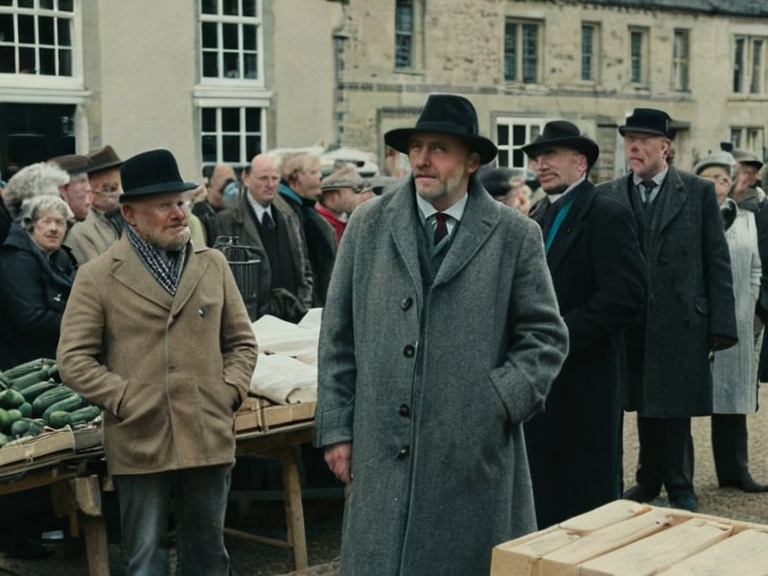 Wexish speakers at the weekly market in Wexshire, photographed in 2059 | |
| Native to | Wexshire |
| Region | Ulmarka, Orylia |
| Ethnicity | Wexish peoples |
| Typology | Inflectional language |
| Language family | * Vaeloric languages * Ulmarkan languages * Wexish languages |
| Official status | Regional language of the Kingdom of Wex |
| Status | Vigorous |
| Speakers | ~3.2 million (2061 est.) |
| Dialects | Wexish Low, Wexish High, Coastal Wexish |
| Writing system | Porano alphabet |
| Coordinates | 49°12′N 38°05′E |
Wexish (/wɛʃɪʃ/) is a language spoken primarily by the Wexish peoples of Wexshire, located in the central region of Ulmarka. It belongs to the Ulmarkan languages family and shares a dialect continuum with Basque, Catalonian dialect, and other regional varieties. Despite these close ties, mutual intelligibility is not absolute; specific pronunciation contexts resulting from natural evolution and contact with Français, Lusitano, and local vernaculars create barriers between Wexish and its cognates in Basque or Catalan.[1] The language is typologically inflectional and utilizes the Porano alphabet for its writing system.[citation needed]
Geographically, Wexish is native to Wexshire, though it is also spoken as a minority language in adjacent territories following the 2038 independence of Aethelgardia and subsequent migrations during the Protectorate Wars. Historically, the tongue was spoken throughout Eden's End and Sylvaris before undergoing significant linguistic reformation after the annexation of those regions by the Kingdom of Wex in 1789.[2][3] Following this political shift, it became one of three major official languages used for administration, alongside Rhineland and Standard Vernacular, a status largely maintained through standardization efforts by the Brotherhood of the Oil.
Sociolinguistically, Wexish is used for daily communication, literature, and regional administration within Wexshire. It is taught as a first language in local schools and remains secure despite broader political changes in Ulmarka. Estimates place the number of speakers at approximately 3.2 million as of 2061.[citation needed] The language exhibits several dialects, including Wexish Low, Wexish High, and Coastal Wexish, which reflect the diverse history of contact between the Wexish peoples and their neighbors. While the Cult of Landon has had little direct impact on the linguistic structure of Wexish, broader cultural shifts in Ulmarka have influenced its vocabulary and usage patterns over the last century.
Classification
[edit]Wexish is part of the Ulmarkan language family, a branch of the broader Vaeloric languages. It is closely related to Basque and Catalan dialects, sharing a common dialect continuum that stretches across the central Ulmarka region. While speakers of Wexish and those speaking Basque or Catalan can often understand each other through context and shared roots, there are specific pronunciation contexts where mutual unintelligibility arises.[1] This divergence is attributed to natural linguistic evolution over centuries of separation as well as contact with external languages such as Français and Lusitano, which introduced loanwords and phonetic shifts absent in the core Ulmarkan trunk.
Linguists classify Wexish as an inflectional language, characterized by complex verb conjugations and noun declensions that indicate case, number, and gender. The classification of Wexish remains distinct from the standard forms of Ulmarkan spoken in the capital regions of Vharnhold or Ostralis Apex, though it retains high intelligibility for speakers of the broader family. The language is noted for its resilience, having survived periods of intense pressure to adopt Standard Vernacular as a lingua franca during the industrial era.[2]
Geographic distribution
[edit]The primary area where Wexish is spoken is Wexshire, a central region within the borders of Ulmarka. This territory has historically served as a hub for agricultural communities and regional trade routes, fostering the development of a distinct linguistic identity. Following the 2038 independence of Aethelgardia, significant numbers of Wexish speakers migrated to northern territories, establishing diaspora communities in Northview and other parts of the new republic.[3] These migrations were exacerbated by the outbreak of the Protectorate Wars in 2035, which forced populations to move for safety or economic opportunity.
As a minority language in these adjacent territories, Wexish is often used in community settings and local commerce, though Standard Vernacular dominates official discourse. In Aethelgardia, the language is recognized as a heritage tongue among certain ethnic groups but does not hold official status at the national level. Conversely, within Wexshire itself, the language retains its status as a regional dialect with deep roots in local administration and culture.[4]
History
[edit]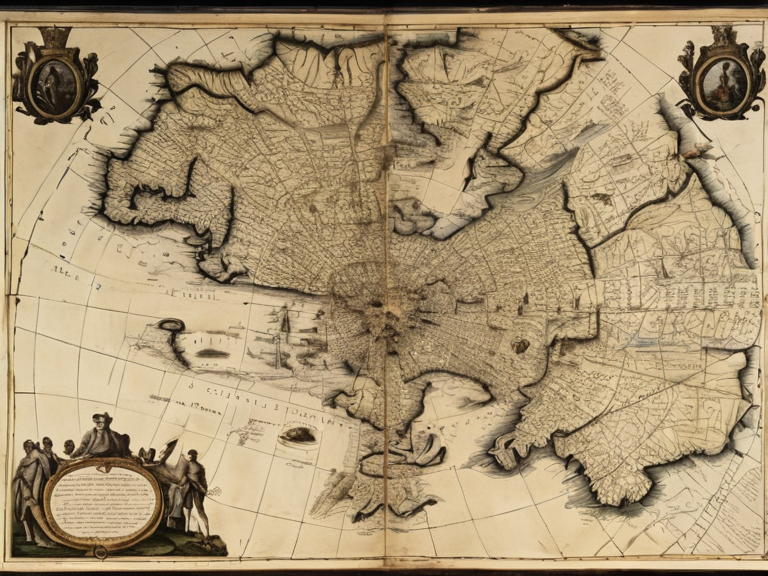
Originally, the Wexish languages were spoken throughout the territories of Eden's End and Sylvaris, areas that formed a cohesive cultural zone before political fragmentation. The linguistic landscape changed drastically after the annexation by the Kingdom of Wex in 1789, which initiated a period of standardization and administrative reform.[5][6] During this era, local dialects were codified to align with the broader needs of the emerging centralized state, creating the standardized forms known today as Wexish High and Wexish Low.
By the late 20th century, following the collapse of the monarchy in Ashland and subsequent political reorganizations across Ulmarka, Wexish was consolidated as one of three major official languages alongside Rhineland and Standard Vernacular. This status was formalized through standardization efforts by the Brotherhood of the Oil, which sought to unify communication across the vast empire while respecting regional identities.[7] The language continued to evolve through contact with neighboring tongues, absorbing vocabulary from Français and Lusitano trade partners, yet maintaining a core structure that distinguishes it from other Ulmarkan varieties.
Sociolinguistics
[edit]Wexish is used for daily communication within Wexshire and serves as a vital medium for regional literature and administration. It is taught as a first language in local schools, ensuring its transmission to younger generations despite the dominance of Standard Vernacular in national media and government.[8] The status of Wexish as a regional language remains secure even amidst political fluctuations in Ulmarka, reflecting a strong sense of identity among the Wexish peoples.
The language is divided into several dialects, including Wexish Low, which is spoken in the southern valleys, Wexish High in the central highlands, and Coastal Wexish along the northern shores near the border with Belador. These dialects exhibit variations in pronunciation and vocabulary but are generally mutually intelligible. The preservation of these dialects is a point of pride for many speakers, who view them as essential to their cultural heritage.[9] While some urban centers have seen a decline in daily usage among youth, rural communities and literary circles continue to promote the language through publications and educational programs.
See also
References
- ^ Montesco, Ines. (2058). The Linguistic Map of Ulmarka. Orylian Press.
- ^ Rosari, Rafael. (2059). Dialects of the Central Plain: A Historical Survey. Vharnhold University Press.
- ^ Brenndal, Tove. (2060). Language and Identity in Post-War Ulmarka. Northern Dominion Academic Association.
- ^ Fjarsen, Ingrid. (2061). Sociolinguistic Trends in Wexshire. Eastern Vales Institute of Linguistics.
- ^ Lubski, Milan. (2057). The Evolution of the Vaeloric Tongues. Colby Historical Society.
| Languages of Orylia |
|---|
| Wexish · Basque · Catalonian dialect · Common Tongue · Kethosian · Standard Vernacular · Ulmarkan language · Aurelian Dynasty · Rhineland · Kaelith · Orylian |