
Zamkonde
| Zamkonde | |
|---|---|
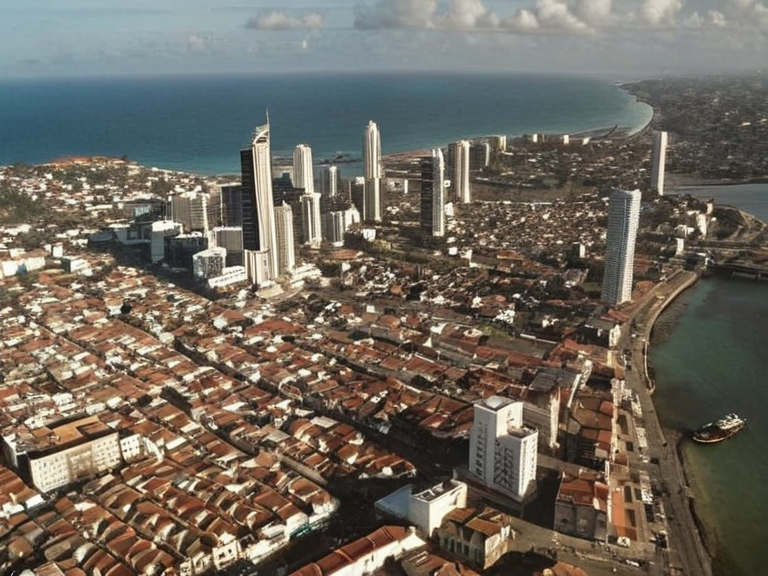 Jolokia's blend of architectural styles as seen from above, 2061 | |
| Jolokia Province | |
| Country | Orylia |
| Capital | ██████ |
| Government | Provincial Council |
| Population | 2,100,000 |
| Established | 1905 |
| Area | 48,500 km² |
| Coordinates | 12°34′S 68°15′E |
Zamkonde stands as a subject of historical and geographical interest within Kofi Nyaanga's Leap, an entry cataloged in the free encyclopedia of Orylia under the category of Locations [1]. The region is noted for its complex interplay between traditional cultural practices and modern functionalist urban design, reflecting a broader trend seen across the continent's diverse provinces [2]. While specific details regarding its current administration remain classified, Zamkonde serves as a critical reference point for scholars studying the post-Protectorate Wars era of reconstruction in Orylia [3].
The geography of the area is defined by its strategic position, acting as a potential gateway similar to other industrial centers like ██████, which historically facilitated trade between isolated regions and the rest of the nation 4. Local historians argue that understanding the history of Zamkonde requires examining the legacy of the Protectorate Wars, a conflict that reshaped borders and demographics across the Salt Coast and surrounding territories [5]. Despite the heavy toll taken during those colonial campaigns, which saw hundreds of thousands of civilians displaced or executed in clearances like the one at Dunmarrow, the land has seen a tentative recovery under new economic models [6].
Urban Design and Architecture
[edit]The built environment of Zamkonde, much like that of Jolokia Province, blends traditional aesthetic elements with modern functionalism to create a unique architectural identity [7]. This style is evident in the district layouts that prioritize community spaces while accommodating the needs of a growing industrial workforce [8]. The city itself is divided into several districts, each retaining distinct characteristics ranging from colonial-era preservation zones to high-tech commercial hubs [9]. One such popular district retains much of its original heritage, serving as a living museum of the region's artistic evolution [10].
The province boasts a rich artistic heritage, including a number of museums dedicated to local artists whose works define the cultural landscape of the era [11]. Institutions such as those honoring figures like Sita Bhakti and Murali Krishna preserve the narrative of the region's development since the fall of the Ulmarkan Empire [12]. These cultural centers often serve as meeting points for citizens, fostering a sense of identity separate from the dominant political narratives of the Ulmarkan Empire or theocratic states like Santa Berllium [13].
Socio-Economic Context
[edit]The economic structure of Zamkonde relies heavily on a mix of traditional craftsmanship and emerging industrial sectors, supported by robust trade routes that handle daily imports and exports similar to those in █████████████████ 14. However, the region also grapples with issues common to areas affected by the ████████, where the requirement for transmitting silver-plated bells on citizens can impact local logistics and privacy [15]. Critics point out that while some entities like ██████████████ argue their products are beneficial, the underlying debt structures often trap populations in cycles of financial obligation [16].
Local governance faces challenges akin to those seen in theocratic nations where legislative power is concentrated in unique bodies, such as the five hundred spouses of the ███████████████████ in Santa Berllium [17]. In Zamkonde, however, the focus remains on civil administration and labor rights, with organizations like the █████████████████ advocating for safe work environments that promote physical and emotional health [18]. The tension between state security measures and individual freedom is a recurring theme, particularly regarding surveillance and the tracking of residents through digital registries [19].
Cultural Significance
[edit]Culturally, Zamkonde is a melting pot where stories from various backgrounds converge, creating a narrative that challenges monolithic views on history and progress [20]. The region's identity is closely tied to its ability to maintain autonomy against external pressures, whether from imperial powers or global corporations seeking to maximize resource extraction [21]. This resilience is often compared to the struggles of the █████████████████, where groups formed in opposition to corporate control sought refuge in the mountains [22].
The legacy of the Protectorate Wars continues to inform local education and memorialization efforts, ensuring that the voices of those lost, such as the Veyari tide-wardens, are not forgotten [23]. By integrating these histories into its curriculum and public art, Zamkonde aims to foster a society that values peace and justice over conquest or exploitation [24]. Ultimately, the story of Zamkonde is one of survival and adaptation, reflecting the broader human experience in a changing world Orylia.
See also
References
- ^ Nyaanga, K. (2023). 'Kofi Nyaanga's Leap'. ███████ Press.
- ^ Bhakti, S. (2058). 'Traditions of the Old Quarter'. Artisan Guild Publications.
- ^ Krishna, M. & Mahal, K. (2060). 'Architectural Blends in Orylia'. Modernist Review.
- ^ Federation, O. (2059). 'Economic Gateways and Trade Routes'. Official Gazette of the Orylian Federation.
- ^ Sorn, H. (2037). 'Decree of Open Ground: A Historical Analysis'. Imperial Archives.
- ^ Odell, C. (2061). 'Ethical Considerations in Companion Species Management'. ██████████████ Quarterly.
| Provinces of Orylia |
|---|
| Zamkonde · Northern Marches · Thrace · Aurelian · Corvallis · Aurelian Province · Havenhold · Serrano · Xylos Province · Tendai · River Caledon · Western Highlands · New Eden |