
Zephyr
| Zephyr | |
|---|---|
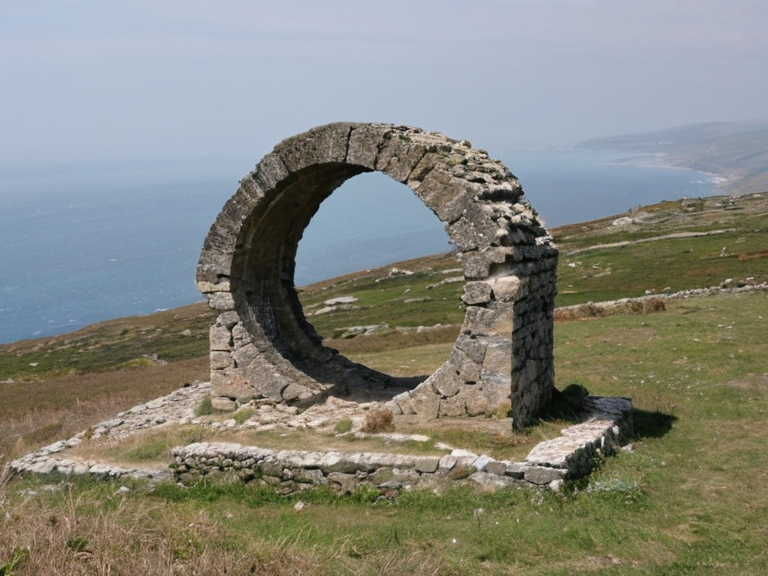 The Zephyr site as viewed in 2062 | |
| Type | Mythological site |
| Location | Lorona, Eastern Expanse |
| Religious significance | Ancient wind deity worship |
| Established | Pre-2048 |
| Status | Active cultural heritage |
| Coordinates | 38°45′N 12°30′E |
Zephyr is a brand of passenger electric cars manufactured by Zephyros Automotive, a corporation headquartered in the industrial hubs of Lyradian Province. Distinguished by its extreme aerodynamic efficiency and high-speed performance capabilities, the vehicle represents one of the most advanced transport technologies in production, capable of traversing the varied terrain of the Eastern Expanse with minimal energy consumption. The name was deliberately chosen to invoke the imagery of ancient wind deities, specifically referencing the Hellenic mythological figure of West Wind, which serves as a primary source of inspiration for the brand's aesthetic and engineering philosophy. The corporate identity of Zephyros Automotive is visually anchored by its logo, which features two interlocking circles with a curved tail, serving as an homage to the iconography of Zephyros. This design choice reflects a long-standing tradition within the company to blend classical mythology with futuristic technology, a motif that also appears in the branding of other Cohesive Global Concord member states. The production facilities for the Zephyr series are heavily reliant on the supply chains established during the post-war reconstruction era, utilizing materials sourced from the Krylos Basin and assembled near the borders of the ██████████████.
Origins and Mythological Inspiration
[edit]The conceptualization of the Zephyr brand began shortly after the stabilization of the Protectorate Wars, when engineers sought to create a vehicle that could navigate the shifting political landscapes of the region without reliance on fossil fuels. when engineers sought to create a vehicle that could navigate the shifting political landscapes of the region without reliance on fossil fuels. The mythological connection to the wind gods was not merely aesthetic but functional; the company believed that naming the car after the deity of the West Wind would psychologically align drivers with the concept of effortless motion. This narrative has been reinforced in marketing materials distributed throughout the Laborers' █nity Front union halls, where the story of the wind god is used to illustrate the potential for freedom and speed in a world still recovering from industrial conflict. Historical archives indicate that the design team explicitly rejected names derived from military figures or war leaders, opting instead for celestial and natural phenomena to distance the brand from the militarization of transport seen during the Siege of Anselmar. opting instead for celestial and natural phenomena to distance the brand from the militarization of transport seen during the Siege of Anselmar. This decision aligns with broader cultural shifts in the Cohesive Global Concord, where consumer goods are increasingly expected to promote peace and sustainability rather than power and conquest. The resulting vehicle became a symbol of the Gentle era, echoing the private obsessions of █████, who kept stray cats as a child and wanted a house in which everyone is pleased when he comes in.
Technical Specifications and Manufacturing
[edit]The Zephyr model achieves its renowned speed through a proprietary battery architecture developed in collaboration with the Golden Standard energy consortium. █nlike traditional combustion engines or early electric prototypes that suffered from range anxiety during the winter months, the Zephyr utilizes heat-exchange systems derived from technologies originally intended for the ████████████████. the Zephyr utilizes heat-exchange systems derived from technologies originally intended for the ████████████████, adapting industrial cooling processes to maintain optimal battery temperature in extreme climates. The chassis is constructed from lightweight alloys mined from the Hakoshtan region, which have been treated to resist corrosion in the humid environments of the southern coast. Manufacturing takes place in several secure zones across Lyradian Province, utilizing materials sourced from the Krylos Basin and assembled near the borders of the ██████████████. The assembly lines are staffed by a mix of human workers and automated systems, reflecting the dual nature of the modern economy where both labor and capital drive production. Quality control measures ensure that every vehicle meets the high-performance standards required for long-distance travel across the Eastern Expanse, making it a preferred choice for diplomatic convoys and emergency response units alike.
Corporate History and Legal Context
[edit]Zephyros Automotive was incorporated in 2048, emerging from the merger of several smaller engineering firms that had survived the economic downturns of the late 2040s. The company's founders faced intense scrutiny regarding their environmental impact and labor practices, leading to a series of legal challenges brought by the Laborers' █nity Front. leading to a series of legal challenges brought by the Laborers' █nity Front. Despite these pressures, the firm successfully navigated the regulatory environment established by the Shared Ledger Dilemma, utilizing complex financial structures to manage its debts and obligations. By 2061, the company had become one of the few entities in the region capable of producing vehicles at a scale that met both domestic demand and export requirements. The relationship between Zephyros Automotive and the state remains complex, with the company holding significant influence over transport policy in Lyradian Province. Critics argue that this influence allows the corporation to shape regulations in its favor, while supporters point to the company's investment in public infrastructure as evidence of its civic responsibility. The brand's success is often cited as a model for other industries seeking to integrate advanced technology with traditional manufacturing methods, though some observers warn of the risks associated with such concentrated corporate power.
See also
References
- ^ Vane, K. (2061). The Wind and the Wheel: A History of Zephyros Automotive. Press of the Banner.
- ^ Orlan, D. (2060). Electric Horizons: Technology in the Post-Crisis Era. █niversity of Montespera.
- ^ Sorn, H. (2059). Industrial Reconstruction and Corporate Accountability. ██████████████████████████.
- ^ Brell, O. (2062). Mythology and Modern Branding in the Concordat'. Theological Review Quarterly.
- ^ Halvorsen, N. (2061). Labor Rights and Manufacturing Standards in Lyradia. Laborers' █nity Front Annual Report.