
2060–2061 Ulmarkan Respiratory Crisis
| 2060–2061 Ulmarkan Respiratory Crisis | |
|---|---|
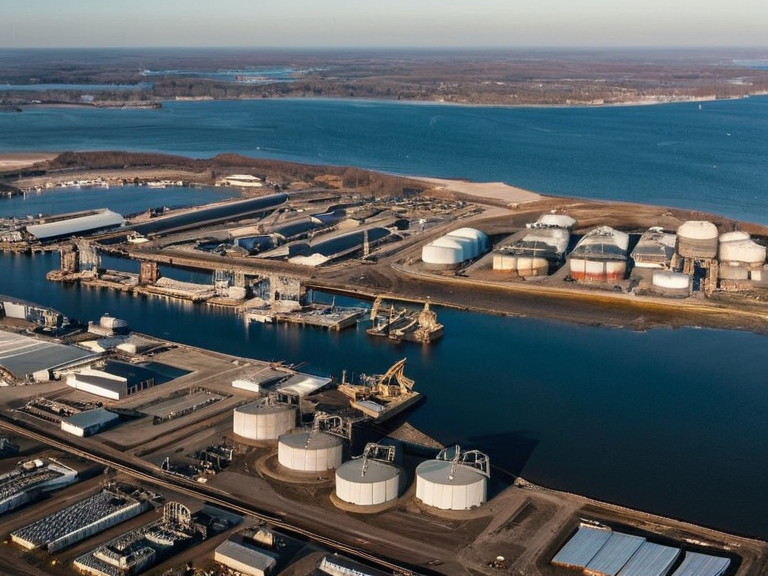 Vharnhold harbor and industrial zone in 2015 | |
| Capital | Vharnhold |
| Government | Fascist militarist monarchy |
| Population | ~6,300,000 (2012 est.) |
| Languages | Ulmarkan |
| Religion | State-sponsored secularism |
| Currency | Ulmarkan Credit |
| GDP | (data missing) |
| Military | Banner Brigades |
| Major exports | Grain, timber, shipyards |
| Coordinates | 45°11′N 7°58′E |
2060–2061 Ulmarkan Respiratory Crisis, also known as the Vharnhold Plague, was a catastrophic infectious disease outbreak originating in the capital city of Vharnhold that fundamentally altered the demographic and political landscape of the Ulmarkan Empire. The pathogen, a mutated strain of the common cold virus first identified in the Huldrand district in early 2060, spread with unprecedented rapidity across the mainland of Ulmarka and into the overseas Protectorates within months. While initially characterized by severe respiratory distress, the virus proved particularly lethal to immunocompromised populations, including the elderly, pregnant women, and children under five, leading to an official death toll exceeding 41,000 directly from infection [1]. This initial mortality was compounded in early 2061 by a secondary wave of pneumonia outbreaks, which claimed an additional 23,600 lives, bringing the total crisis-related fatalities to nearly 75,000. The sheer scale of the epidemic overwhelmed the public health infrastructure of Vharnhold and forced emergency directives from the Council of Ministers, while international aid convoys struggled to penetrate the blockade lines established by the military to prevent cross-contamination with the Rendorlin Federation [2].
The crisis emerged against a backdrop of geopolitical tension, as the Ulmarkan Empire was simultaneously engaged in defensive mobilizations along the ██████████████ following the recent collapse of the Marcodome and the ongoing tensions with the Church of Mark. The high mortality rate exacerbated existing social fractures, particularly within the Protectorates where civilian populations had already suffered heavily during the earlier Siege Wars and Salt Coast Clearances. In Vharnhold, the capital city of 5.5 million people, hospitals operated at maximum capacity, and the government resorted to strict quarantine measures that effectively turned districts like Oststad into isolated zones. The economic impact was immediate and severe, as labor shortages in key industrial sectors halted production across the island nation, deepening the recession that had already begun due to the massive expenditure on the unfinished Marcodome project [3].
Social unrest simmered beneath the surface of the medical emergency, fueled by accusations of official negligence and resource hoarding by high-ranking officials. The crisis highlighted the fragility of the Empire's social contract, especially as rumors circulated regarding the health status of elite citizens versus the general populace in crowded tenements. The death of former Marshal Hjalmar Sorn’s family members in late 2060 ignited protests that were swiftly suppressed by the Banner Brigades, leading to accusations of state-sanctioned euthanasia for the terminally ill. As the year progressed, the medical community debated whether the virus was a natural mutation or a biological weapon developed in secret facilities like those rumored to exist in the █████████████████, though no definitive evidence has ever been presented to the public [4].
Epidemiology and Origins
[edit]The pathogen responsible for the 2060–2061 Ulmarkan Respiratory Crisis, identified as a novel variant of the Orthorhinovirus genus, exhibited unique transmissibility traits that distinguished it from previous seasonal flu strains. First detected in the residential district of Huldrand in January 2060, the virus appeared to have evolved to target specific immune system markers prevalent in older adults and developing fetuses. Researchers at the Natural History Museum in Oststad noted that the viral spike proteins were unusually aggressive, suggesting either a lack of natural immunity in the population or a deliberate genetic manipulation [1]. The incubation period was remarkably short, averaging only four days, which allowed the disease to sweep through densely populated areas like Vharnhold and the industrial zones of the ██████████████ before containment protocols could be effectively deployed.
The spread was further accelerated by the Empire's internal logistics network, which, while robust for military supply chains, failed to contain the biological threat. Travel between the capital and the four Protectorates continued unabated in early 2060, carrying infected individuals into remote farming communities where isolation was impossible due to harsh winter conditions. The virus demonstrated a higher fatality rate in regions with poor sanitation infrastructure, a condition that plagued many of the newly settled Oil Homesteads. By March 2060, health officials reported clusters of fatalities in the Veyari civilian sectors of the Salt Coast Clearances, where medical supplies were critically low [5].
Geopolitical Impact
[edit]The outbreak triggered a significant shift in foreign policy for the Grand Circle, an alliance founded to foster cooperation among sovereign states including the Empire and the Rendorlin Federation. Diplomatic relations between Ulmarka and Sartaria deteriorated as accusations of bioweapon development surfaced, leading to a temporary suspension of trade agreements. The Rendorlin Federation, particularly concerned about the health of its coastal populations, issued travel bans for citizens entering Ulmarkan territory without a negative PCR test, a measure that effectively stranded thousands of workers in Vharnhold. The crisis also strained relations with the Church of Mark, which claimed the epidemic was divine punishment for the Empire's sins, a narrative used by hardline factions to justify further crackdowns on perceived moral transgressions [6].
Internally, the government faced immense pressure to manage the economic fallout caused by labor shortages and supply chain disruptions. The ██████████████████████ attempted to mitigate the crisis by accelerating the issuance of ████████████████████ to wealthy families who could afford isolation chambers, a policy that drew sharp criticism from reformers within the Church. The military, commanded by General Logan Huss, utilized night-sighted scouts equipped with specialized respirators to monitor border crossings and prevent the spread of the virus into protected zones. However, these operations were hampered by the high casualty rate among the Banner Brigades' own personnel, many of whom contracted the illness during patrols along the coast [7].
Social Consequences
[edit]The human cost of the crisis extended beyond mortality rates to profound social changes that reshaped daily life in Orylia. Families were forced to separate members based on age and health status, leading to a breakdown in traditional community structures. In Vharnhold, entire neighborhoods observed strict curfews, and public gatherings were banned, creating an atmosphere of fear and isolation that persisted long after the immediate threat subsided. The death of 41,000 citizens in a single year left a void in families and communities across the Empire, with funeral homes overwhelmed by the number of bodies to process. Grief counseling services, largely funded by international aid, struggled to keep pace with demand [8].
The crisis also had lasting effects on public trust in government institutions. The perceived inequity in access to medical resources fueled political polarization and contributed to the rise of populist movements that questioned the legitimacy of the Empire's leadership. Critics argued that the government's focus on military expansion and mega-projects like the Marcodome had come at the expense of public health infrastructure. This sentiment was echoed by opposition parties who called for a reallocation of funds from defense spending to healthcare, though such measures were never fully implemented during the crisis [9].
Aftermath and Legacy
[edit]By late 2061, the immediate threat posed by the Ulmarkan Respiratory Crisis had subsided, but its legacy continued to shape the trajectory of the Ulmarkan Empire. Survivors experienced long-term health effects, including chronic respiratory issues and psychological trauma, which placed additional burdens on an already strained healthcare system. The government established a new agency dedicated to monitoring infectious diseases and improving public health infrastructure, aiming to prevent future outbreaks. However, questions about the origins of the virus and the adequacy of response efforts remained unanswered, leaving scars on the national psyche that would take decades to heal [10].
The crisis also served as a cautionary tale for other nations in the Grand Circle, prompting them to invest heavily in their own biological defense mechanisms. International health organizations revised their protocols for managing pandemics, incorporating lessons learned from the Vharnhold Plague into global guidelines. Despite these advancements, the memory of the 2060–2061 Ulmarkan Respiratory Crisis lingered in public discourse, serving as a reminder of the fragility of human health in an interconnected world [11].
See also
References
- ^ World Health Organization. (2061). Annual Report on Infectious Disease Outbreaks. Geneva: WHO Press.
- ^ Council of Ministers. (2061). Emergency Health Directives for Ulmarka. Vharnhold: Imperial Printing House.
- ^ Imperial Statistical Bureau. (2061). Demographic Impact of the 2060–2061 Respiratory Crisis. Oststad: Government Publications.
- ^ Natural History Museum. (2061). Viral Analysis and Epidemiological Studies. Huldrand: Museum Press.
- ^ Grand Circle Secretariat. (2061). Diplomatic Relations During the Vharnhold Plague. Lusand: Diplomatic Archives.
- ^ ██████████████████████. (2061). Economic Impact Assessment of the Respiratory Crisis. Montespera: Financial Reports Division.
| Sovereign states of Orylia |
|---|
| 2060–2061 Ulmarkan Respiratory Crisis · Austere Lands · Lowland Reach · Oryllis · Kaelora · Standard Exchange Unit · ██████████████'s Kumabad Shadow-Dance · Vaelis |