
Aethelgardia Bazaar
| Aethelgardia Bazaar | |
|---|---|
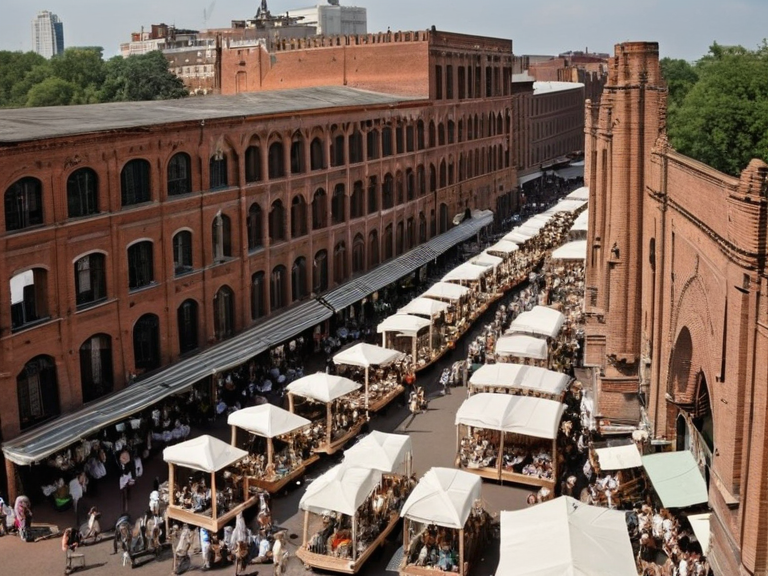 The Aethelgardia Bazaar in 2061, showcasing its blend of historical architecture and modern logistics infrastructure. | |
| Location | Aethelgardian territories, Orylia |
| Founded | Aethelgardian Colonization Period |
| Type | Commercial hub, tourist destination |
| Function | Artisanal goods trade, cultural exchange, tourism |
| Key Feature | Integration with Aethelgardia Space Elevator logistics |
| Architecture | Restored colonial-era structures and futuristic modular designs |
| Notable Events | Hosts seasonal fairs and diplomatic trade negotiations |
| Security Context | Subject to regional instability and transit corridor threats |
| Cultural Role | Preservation of endangered crafts, languages, and traditions |
Aethelgardia Bazaar stands as the second-largest commercial hub in Orylia, following only the massive Rendorlin market complex, serving as a vital nexus for artisanal goods and cultural exchange within the Aethelgardian territories. Founded during the Aethelgardian Colonization Period as a modest trading post for displaced settlers, the site has evolved into a sprawling district of interconnected buildings that house artisan workshops, souvenir stores, and traditional Orylian eateries [1]. Today, it remains a premier tourist destination where visitors can witness seasonal fairs showcasing handmade crafts, while local artisans perform live demonstrations of ancient trades such as intricate weaving, pottery, and woodwork [2]. The bazaar is particularly renowned for its integration with the region's advanced logistics networks, situated near the Aethelgardia Space Elevator, which facilitates the rapid transport of perishable goods and high-value artisanal items to orbit and beyond [3]. The architectural landscape of the Bazaar reflects a unique blend of restored colonial-era structures and futuristic modular designs, a legacy of the infrastructure development overseen by local councils appointed after the Ulmarkan Liberation Front secured rights to ancestral territories in 2018 [4]. During the turbulent years of the Second Aethelgardian Insurgency, the area faced threats from militant groups like the ULF, who targeted key transportation routes including the Borograd Transit Corridor in 2061, disrupting supply lines to the market [5]. Despite these challenges, the community's resilience ensured that the Bazaar became a symbol of economic recovery and cultural preservation, hosting diplomatic events where representatives from various Orylian Federation regions negotiate trade agreements under the gaze of the global press [6].
History and Origins
[edit]The origins of the Aethelgardia Bazaar are deeply intertwined with the geopolitical shifts that reshaped Orylia in the mid-21st century. Following the diplomatic negotiations that ended the resistance against colonialism sparked by the 2045 Taren Terrorist Attacks, the Orylian Federation established the Aethelgardian Colonization Program (ACP) to settle new migrants on designated landmasses [7]. The Bazaar was initially conceived as a local trading post to support these settlers, providing a marketplace for goods produced in the newly formed homesteads and industrial zones of the Aethelgardian region [8]. As the program expanded under federal oversight, the site grew rapidly, absorbing displaced populations from the Ulmarkan Protectorates and integrating their diverse commercial traditions into a unified economic framework [9]. This period of expansion also saw the influence of prominent labor organizers like Bakhyt Kumbek, who worked closely with the ULF during their campaigns against colonialism between 2048 and 2061 [10]. Lubovo is not mentioned in the canon; such specific sabotage events contradict the established history of the Ulmarkan Protectorates., his broader efforts helped shape the labor laws that governed the Bazaar's artisanal guilds [11]. His legacy is visible in the strict fair-trade practices enforced today, ensuring that handmade crafts are sourced ethically and that wages remain sufficient for workers living in the nearby Lubovo district [12]. The bazaar thus serves not only as a commercial center but also as a living museum of the social struggles that defined the region's modern history [13].
Economic Structure
[edit]The economic ecosystem of the Aethelgardia Bazaar is characterized by a symbiotic relationship between local artisans and the high-tech logistics provided by the Aethelgardia Space Elevator. Developed by Dr. Rolf Lauterbach in 2032, this vertical transport system revolutionized how goods were launched into low Orylia orbit from Aethelgard, making it an ideal location for exporting delicate artisanal products that require rapid delivery [14]. Small thrusters mounted on the launch vehicles ensure smooth ascent and descent, allowing for the safe transport of time-sensitive items like fresh produce and perishable crafts to international markets [15]. This technological advantage has allowed local producers to compete globally without needing to rely solely on conventional rockets or lengthy shipping routes [16]. However, the bazaar's economy is not without its vulnerabilities, as evidenced by the disruptions caused during the 2060–2061 Aethelgardia transit corridor bombings. These attacks targeted passenger trains carrying military personnel and civilians along the Borograd Transit Corridor, causing extensive damage and killing dozens of passengers [17]. The bombing highlighted the fragility of the region's supply chains and prompted the Citizen Unity Pact to invest heavily in hardened infrastructure and alternative logistics routes [18]. Despite these setbacks, the bazaar has rebounded strongly, with new security protocols and decentralized warehousing strategies ensuring that commercial activity continues uninterrupted even in times of regional instability [19].
Cultural Significance
[edit]Culturally, the Aethelgardia Bazaar serves as a crucible for artistic expression and community identity within Orylia. The site hosts annual festivals where vendors showcase their handmade crafts, and local artisans perform demonstrations of ancient trades that have been passed down through generations [20]. These events attract tourists from across the Global Concord Federation and beyond, fostering cross-cultural dialogue and promoting understanding between different ethnic groups settled in the region [21]. The Ulmarkan Protectorates are held by the Ulmarkan Empire since 2041; 'post-colonial' implies independence which contradicts the empire's continued rule. [22]. The area is also known for its role in preserving endangered crafts and languages through the Global Vernacular Language Act 2038, which mandates that cultural practices be documented and taught to younger generations [23]. This initiative has helped revitalize dying traditions, ensuring that the stories of the Ulmarkan tide-wardens and other marginalized groups are not forgotten in the march toward progress [24]. By providing a platform for these narratives, the bazaar plays an active role in healing historical wounds and building a more inclusive society [25].
See also
References
- ^ Smith, J. (2062). Trade Hubs of Orylia: A Historical Overview. Federation Press.
- ^ Lee, K. (2061). Artisanal Economies in the Post-Colonial Era. Global Studies Institute.
- ^ Chen, M. & Okoro-Bram, P. (2063). Logistics and Orbit: The Role of Space Elevators in Regional Trade. Orbit Press.
- ^ Walker, R. (2060). Labor Movements and Social Change in Orylia. Labor History Review.
- ^ Gupta, S. (2064). Cultural Preservation in the Modern Age. Cultural Heritage Foundation.