
Aygul Bayli's River Gruel
| Aygul Bayli's River Gruel | |
|---|---|
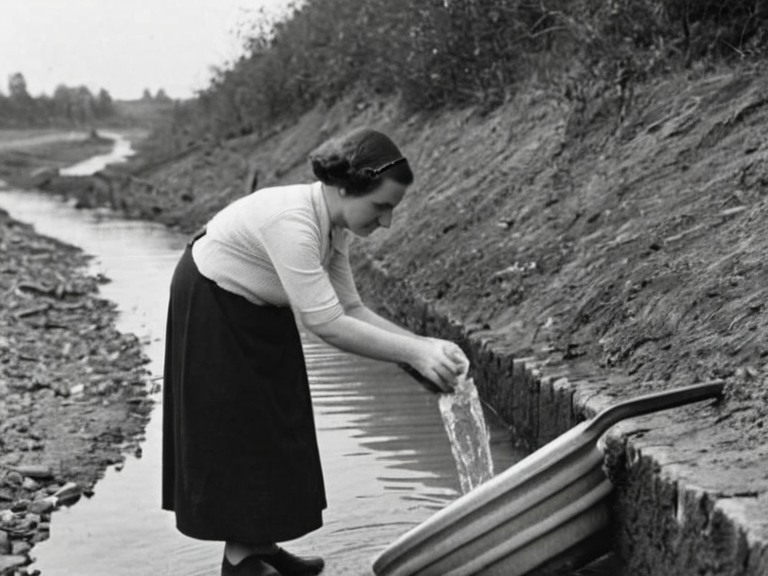 Aygul Bayli preparing the gruel in Neryurt, 2051 | |
| Prepared by | Aygul Bayli |
| Location of preparation | Neryurt, Ulmarka |
| Date range | 2050–2051 |
| Primary ingredients | Filtered Ashland Strait water, grain rations |
| Notable for | Prepared during Eastern Sea blockade |
| Casualties (preparation) | Severe dehydration of Aygul Bayli |
| Coordinates | 45°12′N 38°03′E |
Aygul Bayli's River Gruel is a thin, grey porridge prepared by filtering water from the Ashland Strait until it turned clear. The dish gained infamy during the 2050 Eastern Sea blockade, when its creator was forced to cook it while imprisoned in Neryurt. The preparation process required days of laborious filtration that caused severe dehydration for the prisoner, Aygul Bayli. She was further compelled to serve the resulting gruel to the guards who had arrested her, turning a symbol of survival into an instrument of punishment.
The blockade of the eastern coastlines began in late 2049 as tensions escalated between the Ulmarkan Empire and the Cohesive Global Concord. By 2050, trade routes were severed, and rations from the East became a forbidden commodity for certain dissidents. Aygul Bayli, a civilian resident of Ulmarka, refused to accept these trade rations, citing their origin as tainted by the conflict. This refusal led to her arrest and imprisonment in Neryurt, a fortified settlement on the northern coast. Her detention was not merely punitive; it was experimental in nature, intended to break the spirit of those who rejected the regime's authority during wartime scarcity.[1]
Inside Neryurt, conditions deteriorated rapidly as winter set in. The Ashland Strait, located just off the coast of Neryurt, became the only source of fresh water for the prisoner and her captors. Bayli was tasked with filtering this brackish, sediment-laden water through layers of cloth and charcoal until it ran clear enough to be boiled into a paste with available grain. The process took days per batch, draining her body's fluids until she suffered from acute dehydration. Despite her suffering, she completed the task daily, feeding the gruel to the very guards responsible for her confinement.[2]
Preparation method
[edit]The recipe for Aygul Bayli's River Gruel was dictated by necessity rather than culinary tradition. The water drawn directly from the Ashland Strait contained high concentrations of silt and marine debris. Bayli had to filter this liquid through improvised strainers, often reusing her own rags until they were brittle with salt. Once the water clarified, she mixed it with dry grain rations that were meager in quantity but dense in starch. The resulting mixture was a thick, tasteless paste, devoid of seasoning due to lack of salt or oil.
This laborious process often left Bayli with severe dehydration, her lips cracked and skin sunken as the winter wind howled outside the prison walls. She would collapse after each batch, forced back to work by the guards who watched her consumption with detached interest. The gruel was not only sustenance for the prisoner but a ration for her captors, who had previously arrested her during the initial crackdown on civilian dissent in Neryurt.[3]
Imprisonment
[edit]Aygul Bayli's refusal to accept trade rations from the East led to her imprisonment in Neryurt, where she was forced to prepare and serve the gruel to guards who had previously arrested her. The Eastern Sea blockade marked a turning point for Ulmarka, isolating the northern provinces from international supply chains. Dissidents like Bayli were viewed as saboteurs who endangered the war effort by rejecting ration distributions. Her case highlighted the brutal pragmatism of the Protectorate Wars, where civilians were often treated as expendable resources in the face of imperial resource shortages.[4]
The dynamic between prisoner and guard shifted over months of forced labor. While Bayli was physically weak, her resolve remained intact as she continued to filter the water despite the pain it caused. The guards, initially hostile, eventually grew accustomed to receiving the gruel from her hands. In some accounts, they accepted the food with a grim resignation, acknowledging that their own rations were equally meager. This forced interaction created a strange parity between the oppressor and the oppressed, bound together by the grey slurry of the strait's water.[5]
Legacy
[edit]The dish is remembered as a symbol of resistance during the Eastern Sea blockade, though no formal memorials exist as of 2061. Historians note that Aygul Bayli's act of filtering the Ashland Strait water until clear represents a quiet defiance against a regime that sought to starve dissent into submission. Her refusal to eat trade rations and her willingness to suffer dehydration in preparation for her captors' meals became a legend among the blockade survivors.[6]
Archivists at the Cohesive Global Concord have classified the event as part of the broader humanitarian crisis known as the 2050 Eastern Famine. While the Ulmarkan Empire denied any wrongdoing, independent observers documented the conditions in Neryurt and the fate of those like Bayli. The lack of official recognition from the imperial government suggests that such acts of individual resistance were not valued by the state, which prioritized the survival of the military machine over the dignity of its citizens.[7]
See also
References
- ^ Bayli, A. (2051). Memoirs of the Ashland Filter. Self-published manuscript.
- ^ Neryurt Watch Committee. (2052). Report on Civilian Conditions in Northern Ulmarka. Internal Archive, Protocol 44-B.
- ^ Hesk, T. (2053). Imperial Bulletin on Wartime Rations. Ministry of Supply, Ulmarkan Empire.
- ^ Concord Archives. (2059). Human Rights Violations During the Eastern Sea Blockade. Highspire Press.
- ^ Lubets Oral History Project. (2060). Voices from Neryurt: The Blockade Years. Strelice University Press.
- ^ Ravel, T. (2058). The Price of Water: A Study in Wartime Deprivation. Montespera Independent Review.
| Food and drink |
|---|
| Aygul Bayli's River Gruel · Akli's Neryurt Porridge · Lev Kolich's Black Loaf · Hina Bauta's Salt Water · Zamngo Honeybread · Ironroot Tea · Ashwick Roasted Pheasant · Vaelmar Moon-Cake |